10 years, £20 million, and one big opportunity: Let’s get Pride in Place right.
There is quite a buzz in the community sector right now as local placemakers grapple with the opportunity offered by the Government’s flagship Pride in Place programme.
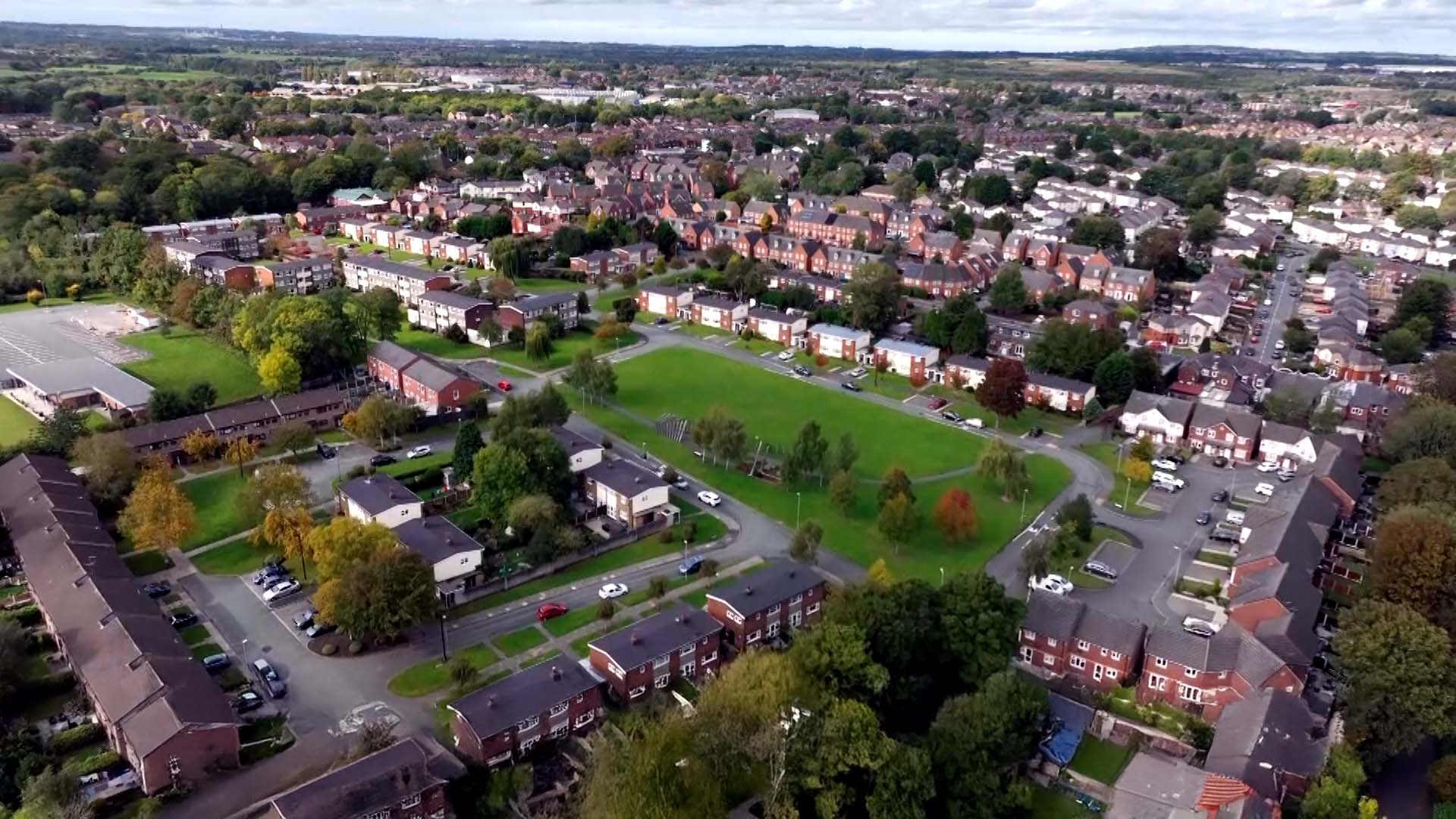
We’ve got a once-in-a-generation chance to transform our neighbourhoods, backed by around £5 billion of investment over 10 years. This funding will provide up to £20 million for nearly 250 UK communities, focusing on restoring local pride, strengthening connections and revitalising our high streets. But here’s the rub: spending £20 million is straightforward enough – spending it in a way that truly empowers a community is the hard part.
At Groundwork, we’ve spent years figuring out how to bridge the gap between big budgets and real people
– ensuring that this investment leaves a legacy that lasts long after the scaffolding comes down.

Why this isn’t just “Town Deal 2.0”
At first glance you could be excused for thinking that Pride in Place is a re-branded expansion of the previous Government’s Town Deal programme. The budgets are similar, many of the places are the same and the goal of both is neighbourhood transformation.
Scratch beneath the surface however, and there are several subtle – but very important differences:
- Firstly, Pride in Place is a 10-year programme – a longevity of commitment that provides certainty and time to plan around local needs – avoiding the need to jump instantly to the next ‘oven ready’ regen scheme off the rank.
- Secondly, Pride in Place offers a mixture of capital and revenue funding – reminiscent of the SRB and NDC schemes of yesteryear – going someway to supporting the huge loss in local revenue funding we’ve seen since austerity.
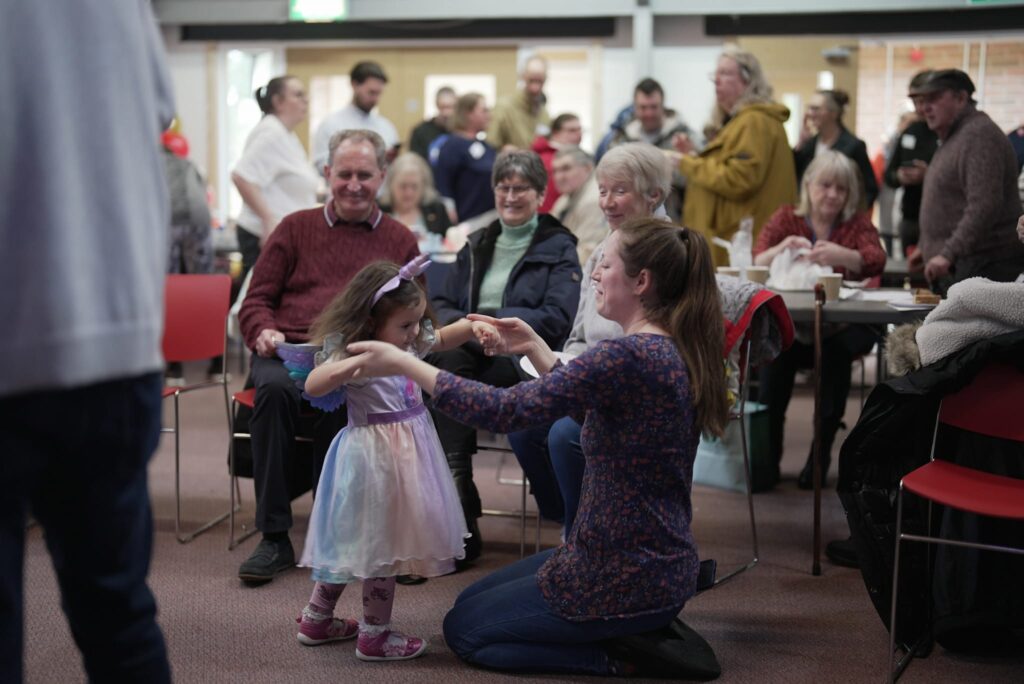
- Thirdly, there is a real local, place-based focus to Pride in Place. The neighbourhood scale is small – making the investment per capita significant. It means partnerships can be compact, locally grounded, and connect directly with the community.
- And finally – and in my opinion, the most important – Pride in Place requires the community to be placed at the heart of decision making.
The ‘Nothing About Us Without Us’ Challenge
It is this final point that makes Pride in Place so exciting – but perhaps also provides the biggest challenge to those tasked with developing these local plans. The Government saying ‘you must put communities at the heart of decision making’ is the easy part. Doing it is a whole lot more difficult!
So, what are the options open to us? Well, our local councillors are elected to represent us, aren’t they? So, they should be involved, shouldn’t they? As too are our MPs? But in an increasing number of places we have a disconnect – trust in politicians is at an all-time low – especially in places with long-term, structural issues – and long serving political leadership of one colour or another. Local Boards of the ‘great and the good’ is another way – and no doubt brings considerable experience and commitment to place. Open grant programmes that the public can bid into against a set framework of priorities is another – but with the potential to become a mere ‘beauty parade’, funds swept up by professional bid writers, achieving the opposite of the desired effect – refusing more applicants than are supported – a ‘Dragon’s Den’ approach that patronises our communities and wastes a whole lot of time and goodwill.
Two Proven Blueprints: Big Local & BIDs
Drawing on our own experience at Groundwork, there are 2 options I’d like to ‘throw into the ring’ that I believe really need to be considered by local programme designers.
The first is the Big Local model. The Big Local programme was a £200+ million National Lottery–funded initiative that supported 150 disadvantaged neighbourhoods in England – not unlike Pride in place neighbourhoods in scale. Each received just over £1 million to spend over a 10-year period. Launched in 2010, it was deliberately resident-led and nonprescriptive, building capacity and giving communities control over priorities, budgets and decisions.
Evidence shows Big Local strengthened local leadership, skills and social capital, enabled long term investment in community assets, and left a lasting civic legacy beyond funding. It is widely cited as a landmark model for community led, long term neighbourhood renewal. Exactly what Pride in Place is trying to achieve – and absolutely a model we should be learning from – and building upon.
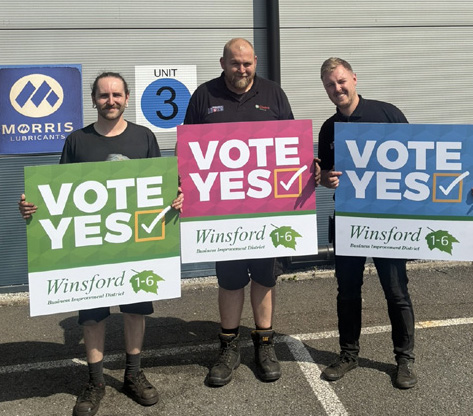
The second is Business Improvement Districts (BIDs). BIDs are place-based, business-led partnerships that seek to transform the performance of our high streets, business parks and business districts through a programme of business investment. From small beginnings in 2004, there are now over 340 BIDs operating across the UK, covering town centres, high streets, industrial areas and tourism destinations. Decided by businesses through a ballot, with majority approval – they introduce a small compulsory business levy that funds a business-led, place-based improvement plan.
BIDs collectively raise around £150 million each year and have invested over £1 Billion in local regeneration, safety, marketing and place management over the last decade. Evidence shows BIDs improve cleanliness, security and business confidence, reduce crime, help attract investment, increase property values and create employment. BIDs also bring businesses to the table, enabling the economic hearts of places to work together with local communities.
Evidence shows Big Local strengthened local leadership, skills and social capital, enabled long term investment in community assets, and left a lasting civic legacy beyond funding.
Partnership in Action
At Groundwork we have developed and supported the delivery of 8 Big Local programmes and 18 Business Improvement Districts – and have first-hand experience of how – with the right support – local communities can lead the transformation of local places.
In places facing the double disadvantage of both socio-economic disparity and weak social infrastructure – then support to build the capacity of communities so at to unleash authentic community leadership is essential in being able to mobilise and drive change. And we must understand that there is a significant difference between an approach that merely consults and engages with a community – and one the genuinely listens, empowers and co-produces.
For community power to truly take root it requires capacity building, personal development and individual mentoring – supported by professionals that have worked in double disadvantaged areas and built community-led programmes. This long-term capacity building support is the core pillar that will help catalyse resident led success.
Our experience from managing Big Local programmes and from BID underpins this thinking.
I would implore all of those leading on Pride in Place plans to consider the role that both the learning from Big Local and BIDs could play in way you develop your programmes – look at the evidence, consult with those that have worked in this way.
And whether you’re stuck on community engagement or looking for a delivery partner who knows how to help unlock community power – the team at Groundwork is here to help.