
How to cultivate green manures

Green manures are plants grown not to harvest but to improve the soil. They also help suppress weeds, while their roots hold the soil together, preventing erosion. The plants are then dug into the ground while still green to decompose and release valuable nutrients directly into the soil improving fertility and structure.
Most green manures are grown during the winter months when garden beds are typically empty. Sown in late summer or autumn, they absorb leftover nutrients and help prevent them from being washed away by winter rains. Come spring, digging them into the soil returns those nutrients to the earth ready for your next crop.
Why plants (and soil) love green manures
To thrive, plants need a wide range of nutrients. The three primary ones (nitrogen, phosphorus, and potassium) are usually drawn from the soil, while carbon, oxygen, and hydrogen come from the air. Other essential nutrients include magnesium, calcium, and sulphur.
Most garden soils contain enough nutrients to support healthy growth, but green manures help retain and recycle these nutrients, especially during fallow periods.
Have a look at our green manures planting chart to help you choose the right green manures for your garden. You can buy seeds from most garden centres.
How to get started with green manures

Clear the area. Remove weeds and old plants. Rake the soil to create a smooth surface.
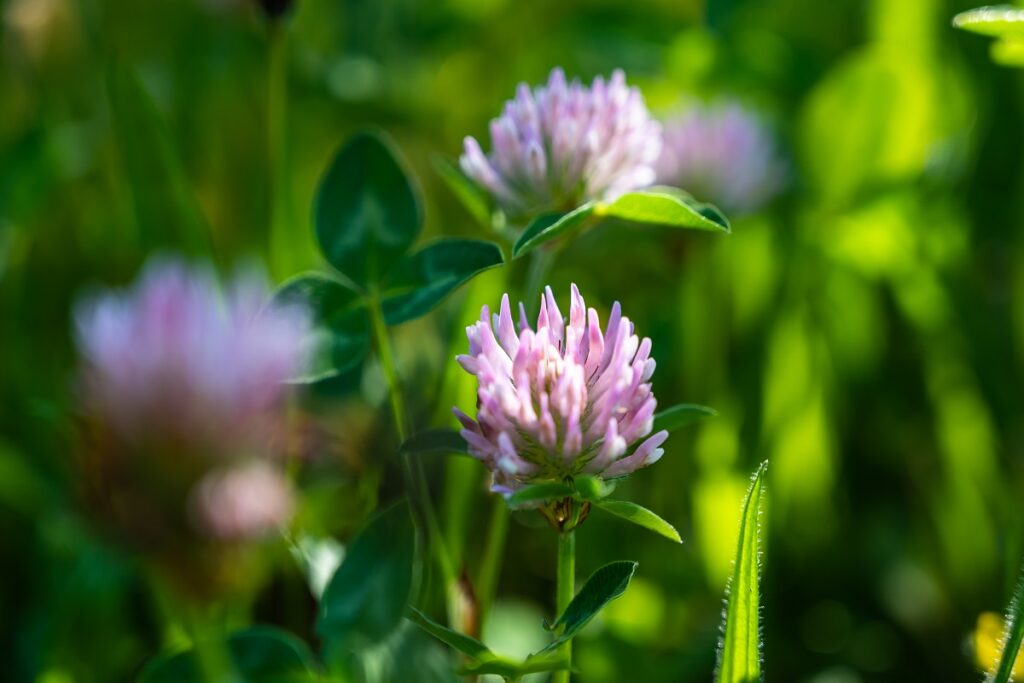
Choose the right crop (see our guide above). For nitrogen-fixing benefits (if your plants have discoloured leaves or stunted growth or yield), go for legumes like clover or field beans. For weed suppression and fast growth, try mustard or rye.

Scatter the seeds. Sprinkle the seeds evenly over the soil. You don’t need to be precise, just aim for good coverage.
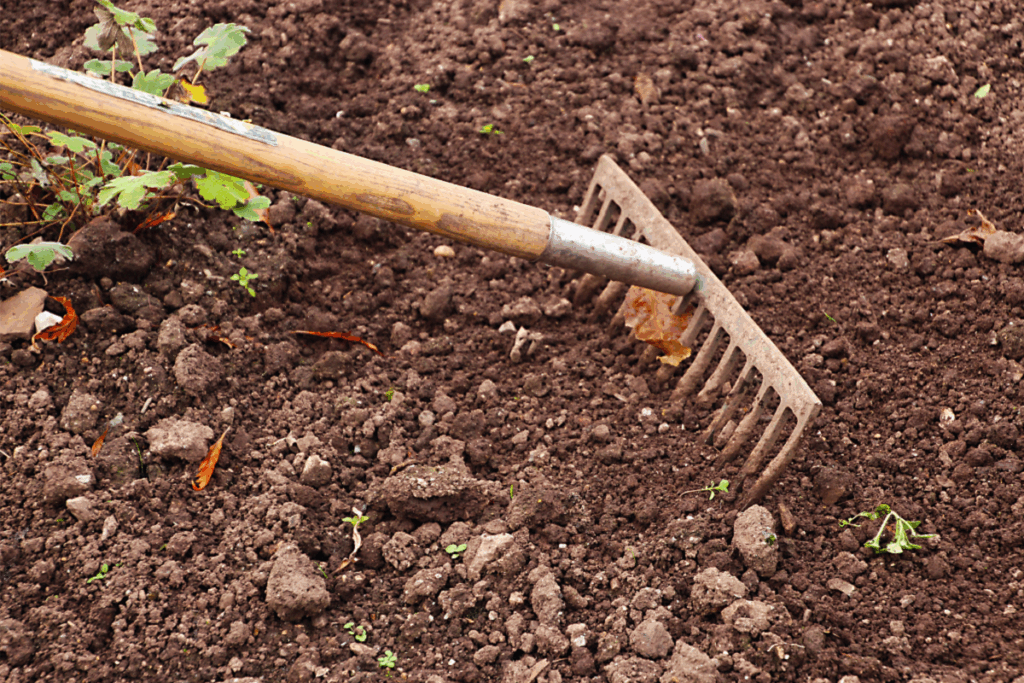
Rake or lightly cover. Rake the seeds in gently or cover with a thin layer of soil or compost.
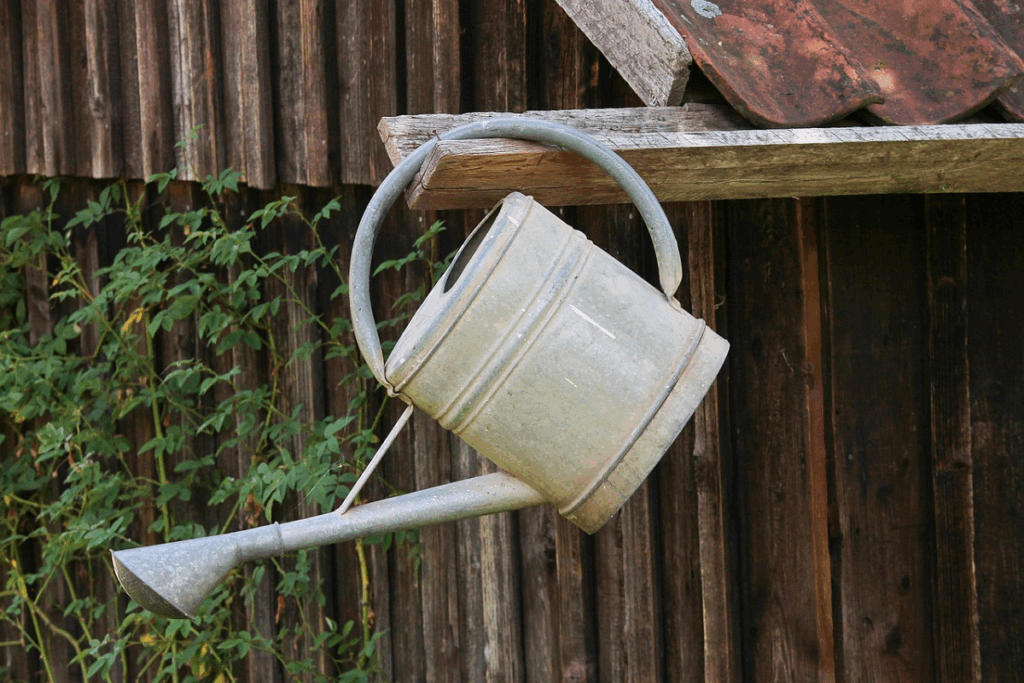
Water well. Give the area a good soak to help seeds germinate.
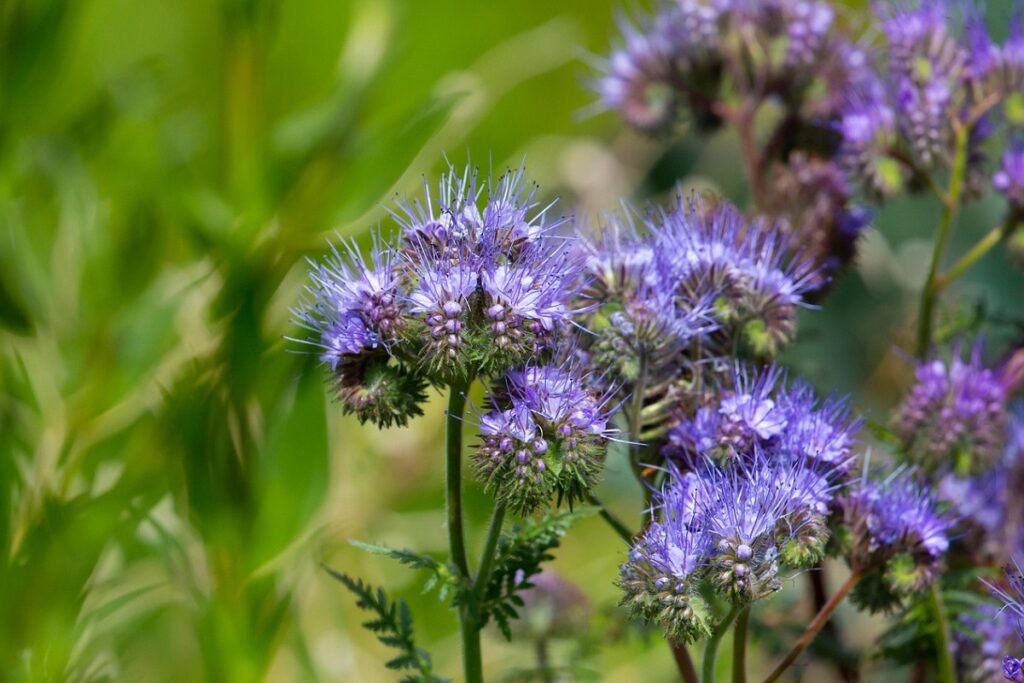
Let them grow. Allow the plants to grow for 6–10 weeks. Some overwintering (hardy) types can grow until spring.
When and How to Dig Them In
Before the green manure plants flower (you don’t want them to flower or they can become woody), cut them down while they’re still green and tender. Chop them up and dig them into the top 15–20 cm of soil. Then, let the soil rest for 2–3 weeks before planting anything new, this gives the green manure time to break down and release nutrients back into the soil. If the plants die back in frost (like mustard or phacelia), you can leave the remains on the soil as a natural mulch. This still adds organic matter and protects the soil.
Pros
- Keeping soil covered helps prevent erosion and protects it from heavy rain.
- Acts as a natural insulation, keeping soil temperatures more stable.
- Encourages healthy soil life, especially beneficial bacteria and microbes.
- Legumes like clovers and vetches naturally add nitrogen to the soil.
- Suppresses weeds by outcompeting them for space and light. Improves soil fertility and structure over time.
- Reduces soil compaction caused by rainfall.
- Provides better habitat for wildlife than bare soil.
- May attract frogs and toads, which help control slugs and snails.
- Some types, like tagetes (marigolds), can help reduce harmful soil nematodes.
Cons
- Dense foliage can sometimes increase slug and snail activity so this might need to be managed.
- Legumes and brassicas (like clovers, tares, lupins, and vetches) should be included in your crop rotation plan, as they can share diseases with related vegetables.
- You may need to chop up the top growth before digging it into the soil or using a rotovator.
- Perennial types like alfalfa (Lucerne) can regrow from roots if not dug in deeply enough (at least 25 cm).
- Growing green manures takes time, effort, and sometimes extra water, especially in dry summers.
Using green manure is a simple, eco-friendly way to keep your garden soil healthy, productive, and full of life. Whether you’re growing vegetables, flowers, or herbs, green manure helps you garden smarter and more sustainably.
The RHS have a great video on choosing and sowing green manures below: