
How to harvest
There’s nothing quite like the satisfaction of picking your own fresh produce straight from the garden. But knowing when and how to harvest can feel a little daunting, especially if you’re just starting out. Below, we help you recognise the signs of ripeness, avoid common mistakes and harvest in a way that supports both your plants and the planet.
Whether you’re growing a few pots on a patio or tending a full allotment, you’ll find practical tips for common British crops and timeless advice that applies to almost anything you grow.
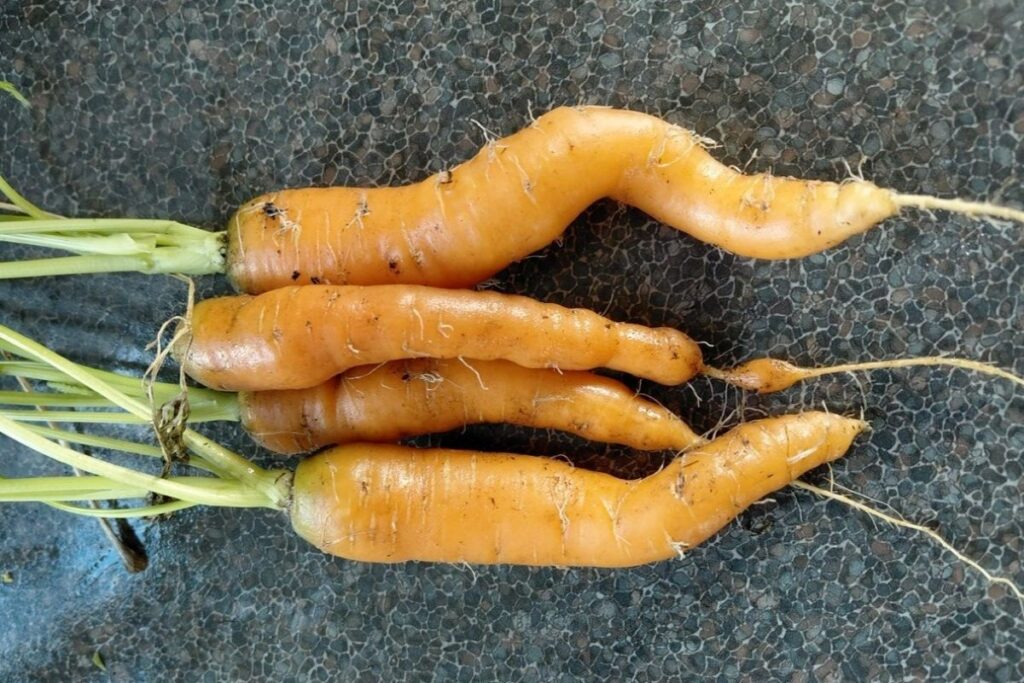
Don’t worry if your home grown veg doesn’t look like the ones in the supermarket. In fact, that’s part of the charm! Slightly wonky carrots, knobbly potatoes, or uneven tomatoes are all perfectly normal and just as delicious and nutritious as their ‘perfect’ counterparts. Supermarkets often reject huge amounts of perfectly good produce simply because it doesn’t meet cosmetic standards. By growing your own, you’re not only reducing food waste but also celebrating the natural diversity of real food. So embrace the quirks, your garden doesn’t need to be picture-perfect to be a success!
General signs it’s time to harvest
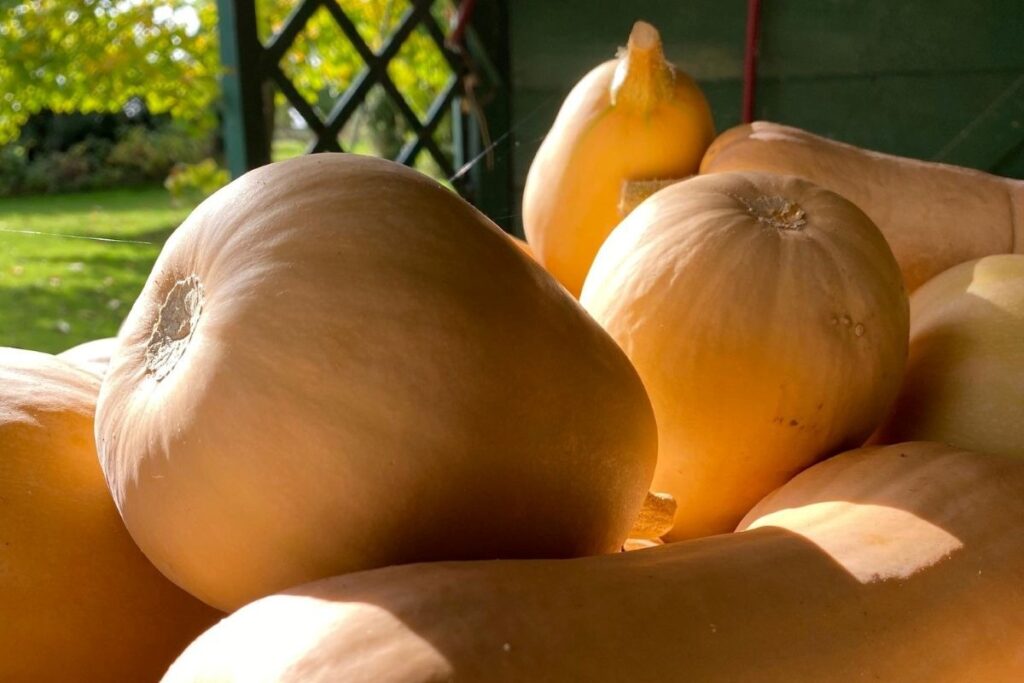
Size and shape
Most vegetables are ready when they reach their expected size and shape. If they look roughly like what you’d buy in a shop, they’re likely ready.
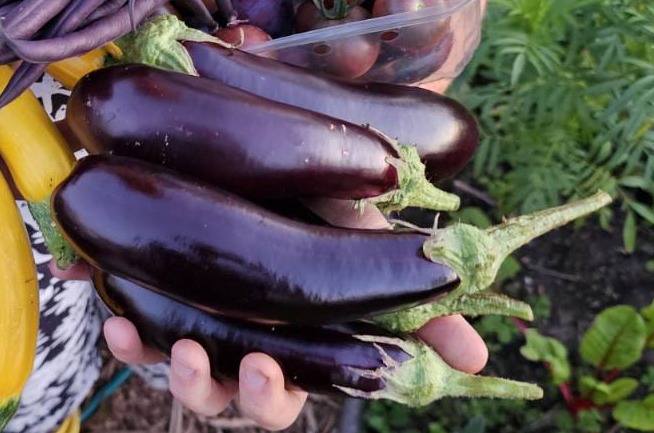
Colour
Vibrant, deep colours often signal ripeness. Pale or dull colours may mean it’s too early.
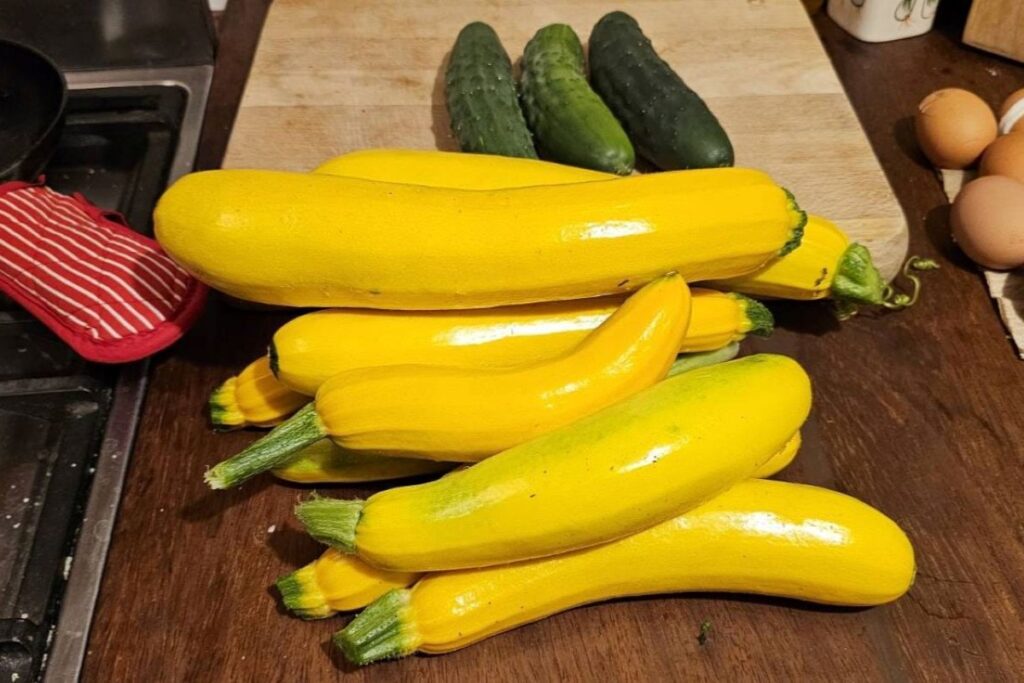
Texture
Firm but not too hard is usually ideal. Overripe produce may feel soft or rubbery.
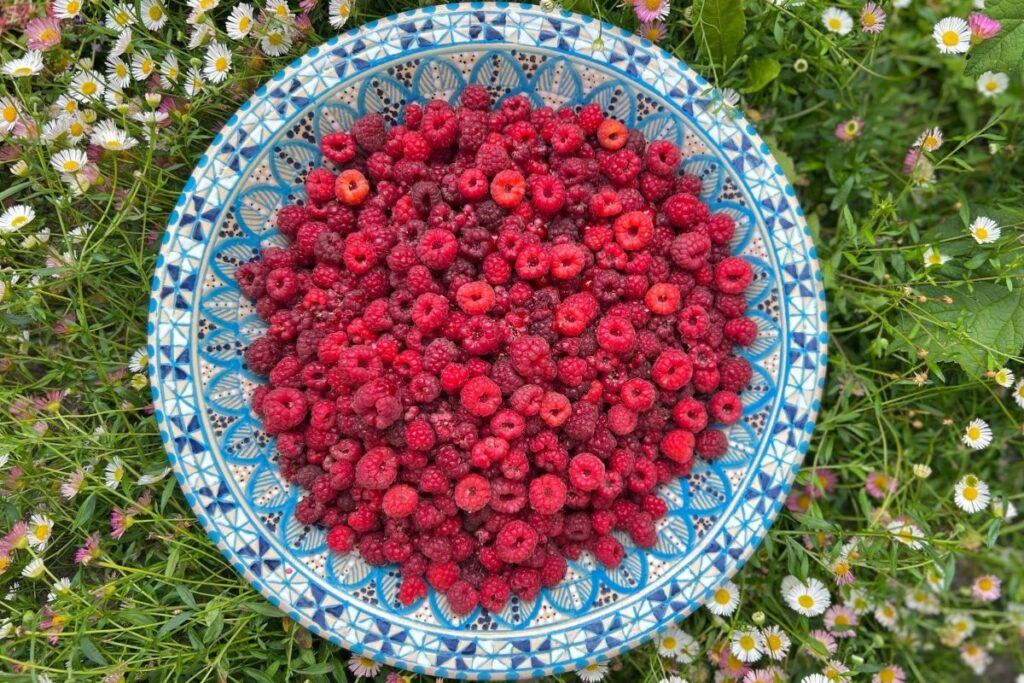
Smell
Herbs and fruits often release a strong aroma when ready.
Taste test
If unsure, pick one and taste it! That’s often the best indicator.
What you can pick continuously
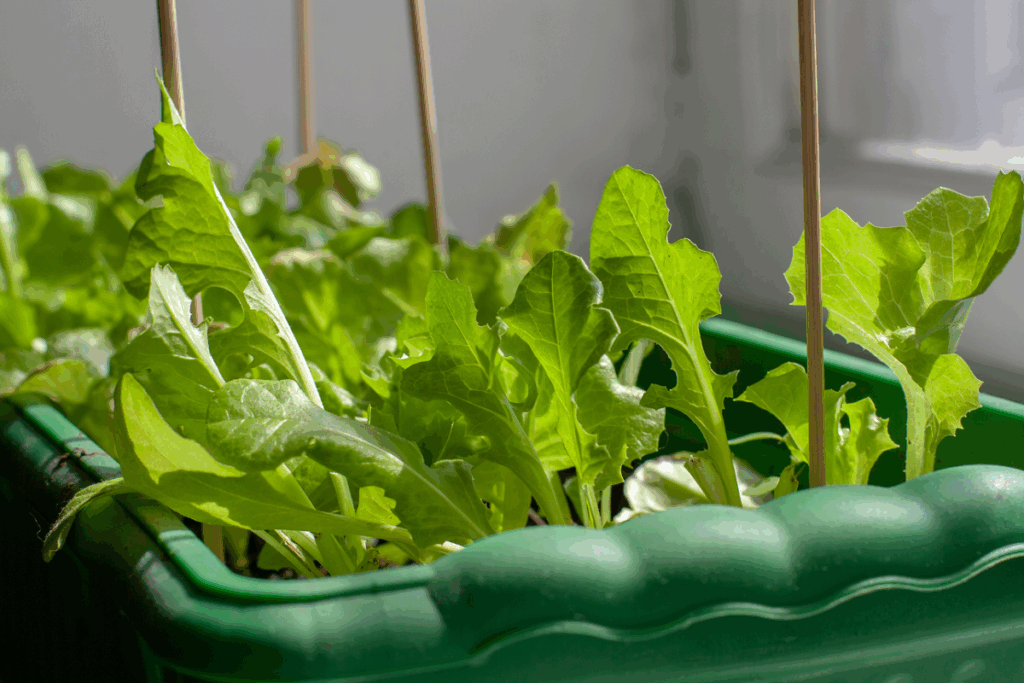
Cut-and-come-again salad leaves.
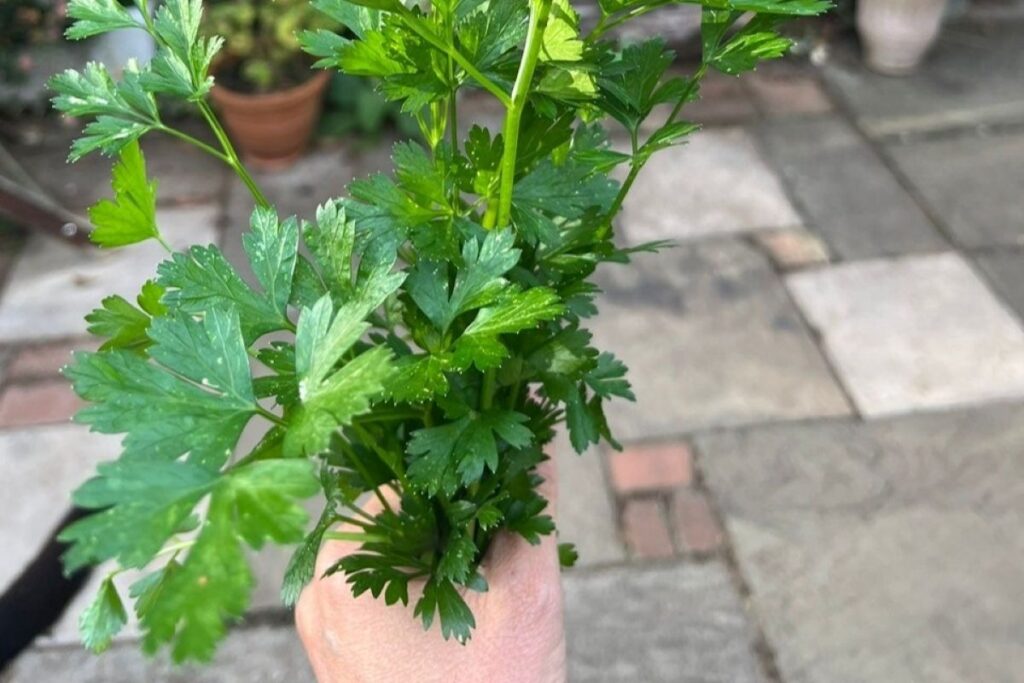
Herbs like basil, mint, parsley and chives.
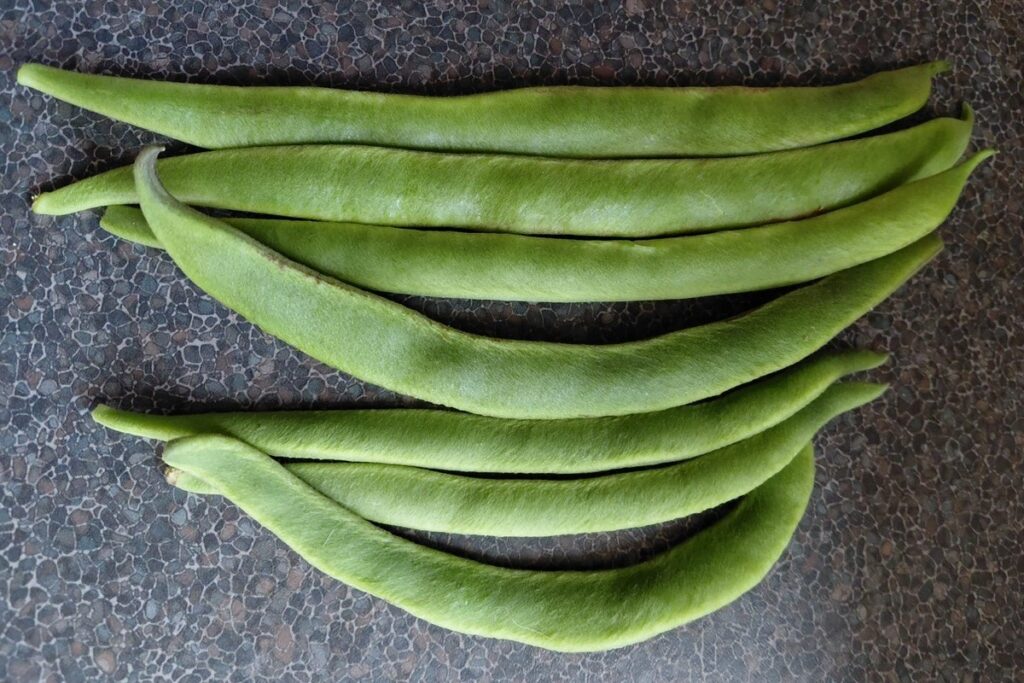
Beans and courgettes, if picked young.
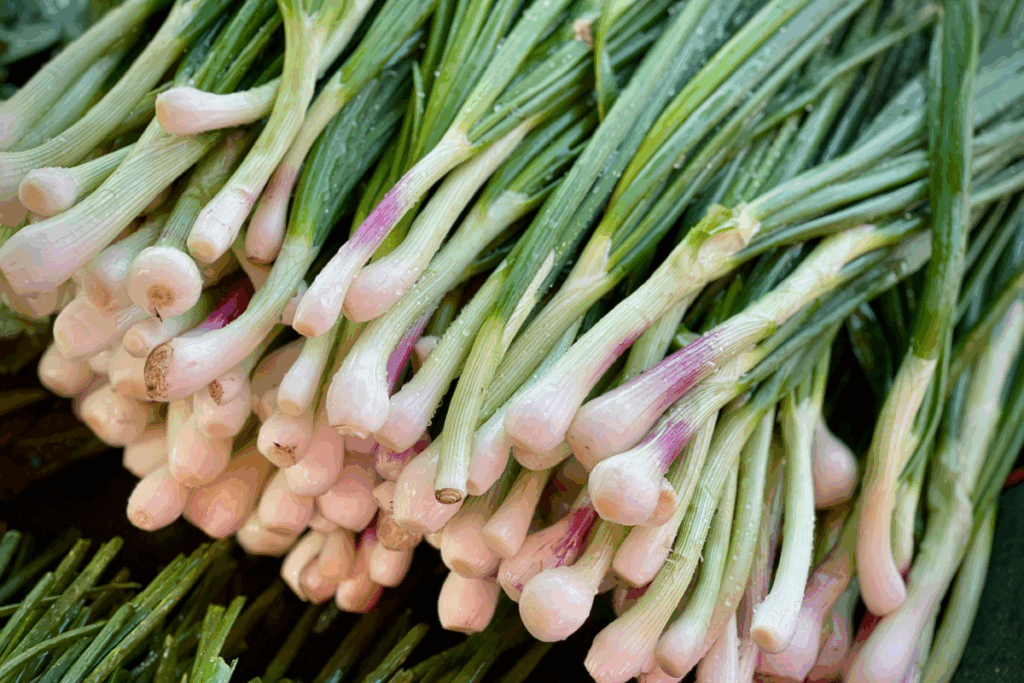
Spring onions. Harvest the outer ones first.
Sustainable harvesting tips
- Harvest in the morning for peak freshness
- Use sharp scissors or secateurs to avoid damaging plants
- Leave some for wildlife, especially flowering herbs
- Compost trimmings to return nutrients to the soil
- Rotate crops and use green manure to keep soil healthy
- Share excess produce with neighbours!
Common pitfalls to avoid
- Overharvesting. This can weaken the plant and reduce future yields.
- Underharvesting. Can lead to woody, bitter or overripe produce.
- Damaging roots/stems. Use clean, sharp tools and harvest gently.
- Ignoring signs of bolting. Flowering often means the plant is past its prime.