
How to maintain your growing space

Maintaining your growing space isn’t just about aesthetics, it’s about creating a resilient, productive and sustainable environment. Whether you’re nurturing a few pots on a balcony or managing a full allotment, keeping your growing space tidy and your plants healthy is key to long-term success no matter its size.
Benefits of a tidy, healthy garden
- Supports pollinators and beneficial insects
- Produces better yields as regular care helps reduce/prevent disease
- Needs less intervention. A well-maintained space supports natural predators and pollinators, reducing the need for chemicals
- Has fewer pests as clutter can harbour slugs, snails and fungal spores
- Helps you spot problems early and act before they escalate
- Makes gardening more enjoyable and less overwhelming
Small spaces (like windowsills, balconies and patios)
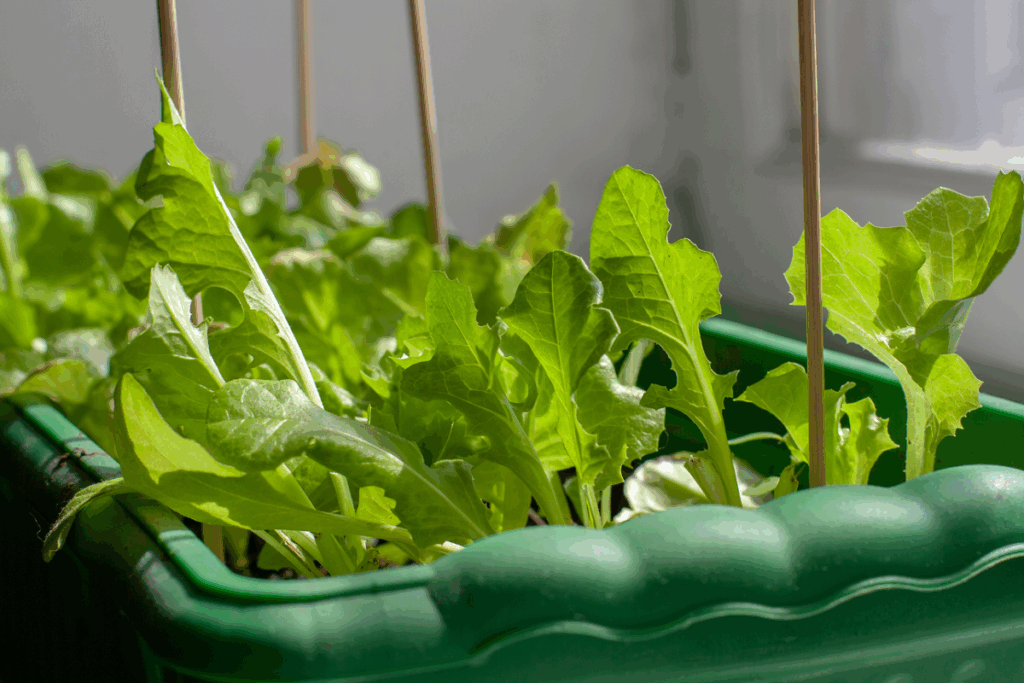
Maintenance tips
- Weekly tidy-up. Remove dead leaves, spent flowers, and any debris from pots or trays.
- Check drainage. Ensure pots aren’t waterlogged—raise them slightly if needed.
- Rotate pots. Turn containers every few days to ensure even light exposure.
Plant health
- Feed little and often. Use diluted organic liquid feed (see our ‘how to make natural plant feed‘ guide) every 2–3 weeks.
- Inspect for pests. Check under leaves for aphids or spider mites. Wipe off with a damp cloth or spray with a mild soap solution.
Medium spaces (like raised beds and small gardens)
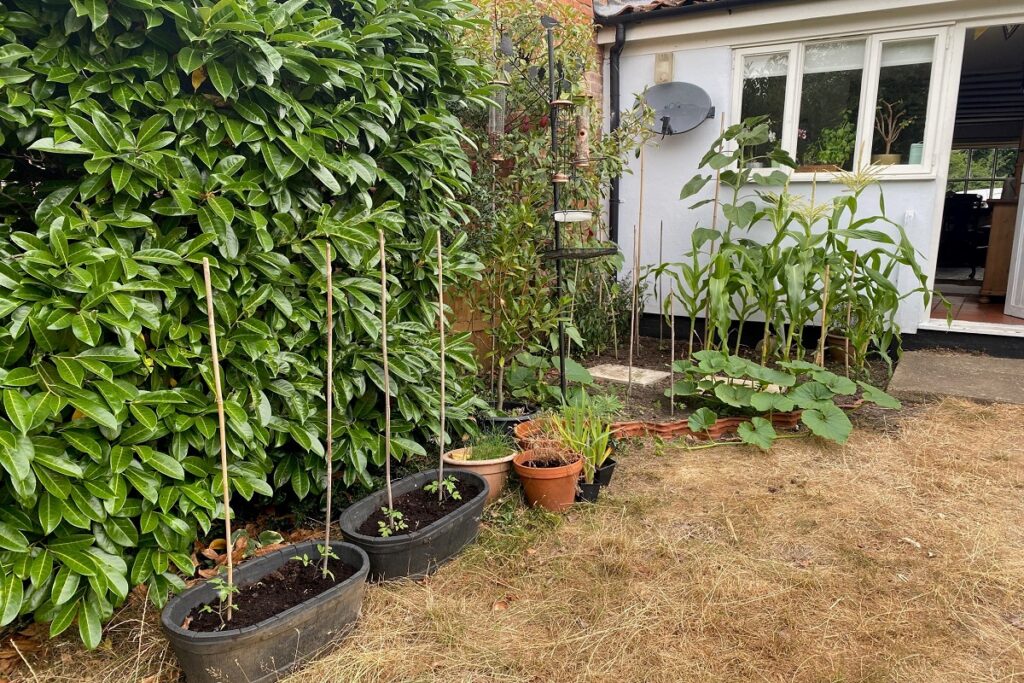
Maintenance tips
- Weed regularly. A quick 10-minute weekly session keeps weeds from taking over.
- Edge beds. Use natural materials like logs or stones to define growing areas and reduce soil spillage.
- Mulch. Apply compost, bark, or leaf mould to suppress weeds and retain moisture.
Plant heatlh
- Prune and deadhead. Remove dead or diseased growth to encourage new blooms and airflow.
- Crop rotation. Change planting positions each season to avoid soil-borne diseases.
- Water wisely. Water early morning or evening to reduce evaporation and stress.
Large spaces (like allotments and larger gardens)
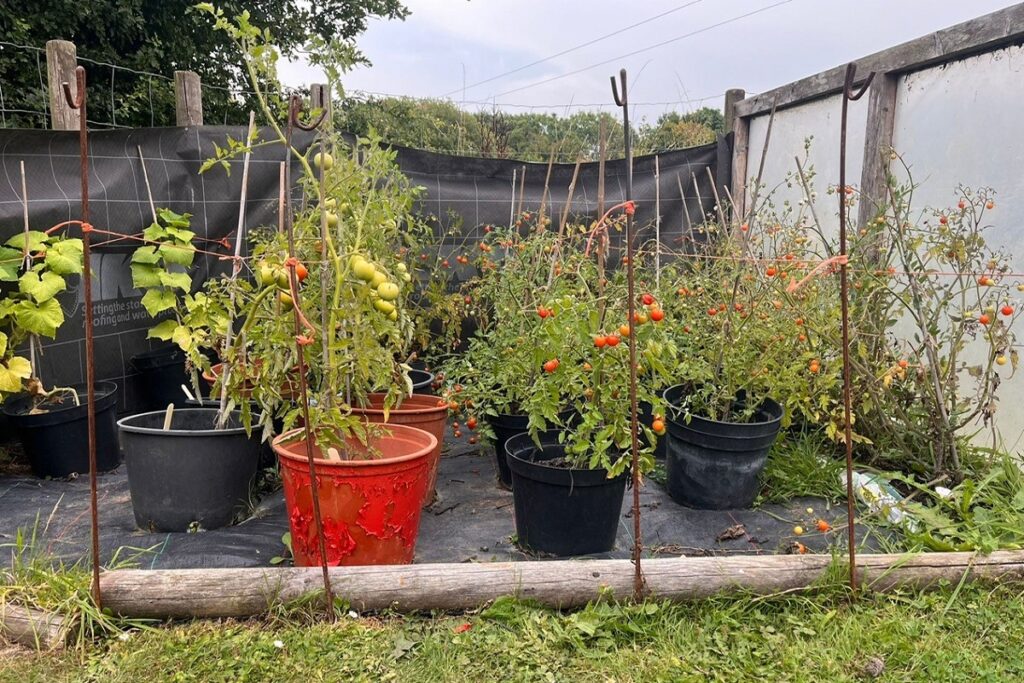
Maintenance tips
- Create paths: Use woodchip or reclaimed slabs to keep access tidy and reduce soil compaction.
- Divide into zones: Group plants by type or care needs to streamline maintenance.
- Compost station: Keep a tidy compost area for green waste, turn it monthly for best results.
Plant health
- Monitor soil: Test pH and nutrient levels annually. Add compost or green manure as needed.
- Encourage wildlife: Install bug hotels, bird feeders, and ponds to attract natural pest controllers.
- Plan succession: Keep beds productive year-round by following one crop with another (e.g., lettuce after early potatoes).
General eco-friendly maintenance tips
- Use natural cleaners: Clean pots and tools with vinegar or baking soda instead of bleach.
- Sharpen tools: Well-maintained tools make pruning and weeding easier and more precise.
- Label plants: Use wooden or recycled markers to keep track of varieties and care needs.
Seasonal maintenance snapshot
Spring. Clear debris, sow seeds, mulch beds
Summer. Water deeply, deadhead, harvest regularly
Autumn. Compost spent plants, plant cover crops
Winter. Clean tools, plan layout, protect soil