How to make compost
Garden compost is a soil enhancer created from decomposed plant materials, typically made in a compost bin or heap. It’s used to enrich the soil, improve its structure, and increase the amount of water it can hold, and is an excellent way to utilise your garden waste. It needs to include roughly a 40%-60% split of ‘green’ and ‘brown’ material to get the right level of bacteria and micro-organisms that will benefit your garden.
What goes into compost
40% Green material (nitrogen rich)
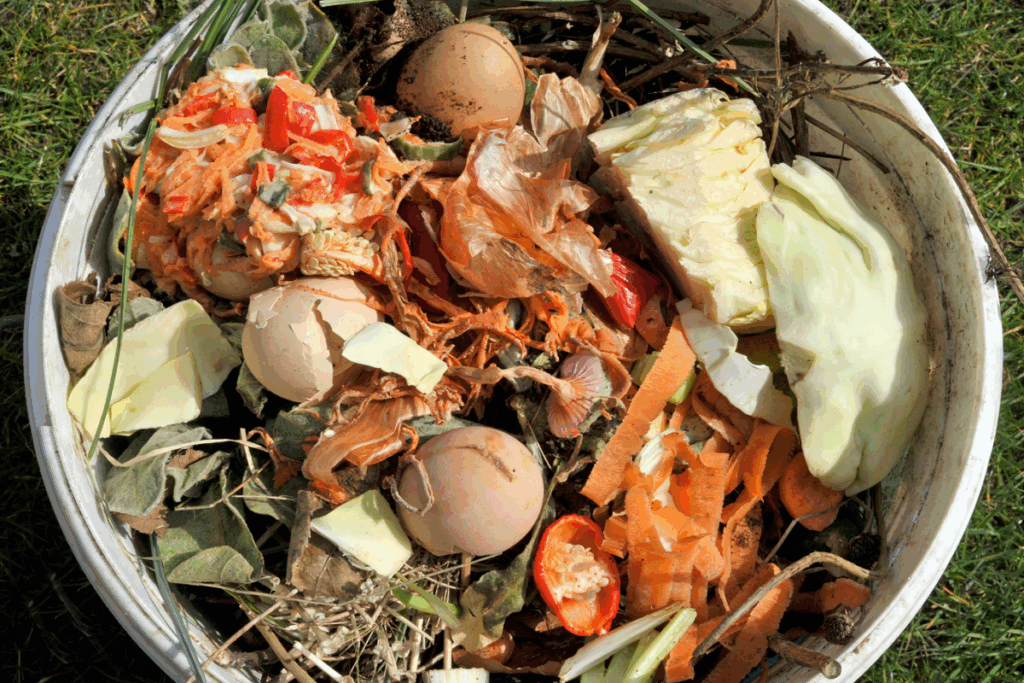
- grass cuttings
- nettles (not roots)
- uncooked fruit and veg peelings
- tea leaves
- young weeds
- comfrey leaves
- coffee grounds
- garden prunings
- egg shells
60% Brown material (carbon rich)
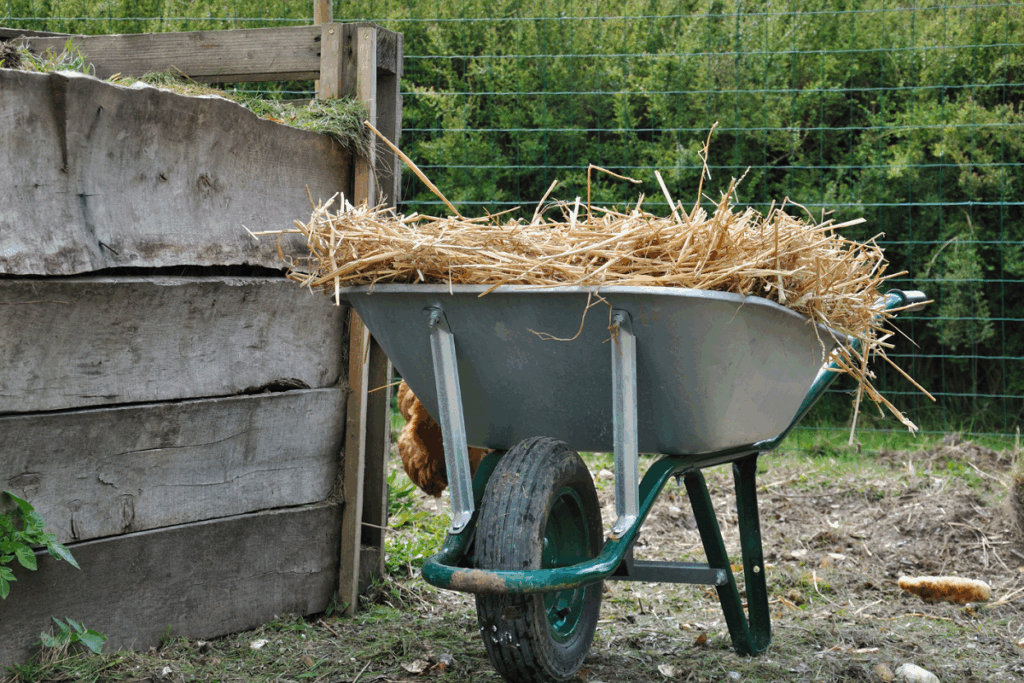
- cardboard (cereal packets, toilet rolls, egg cartons etc
- old animal bedding from vegetarian pets
- waste paper
- paper towels and bags
- tough garden prunings
- straw
What sort of compost bin to get
Compost bins should fit the space you have and come in a huge range of shapes and sizes to fit all budgets, or you can make your own. The ones we are looking at here are open at the bottom.
Buying a compost bin
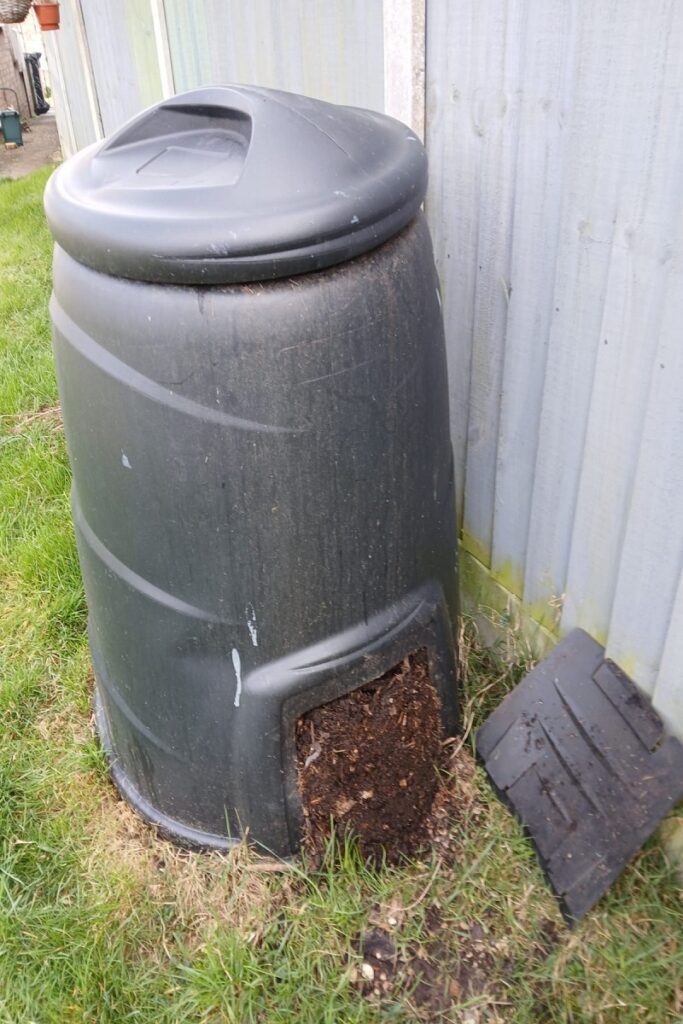
Look for a compost bin that suits the amount of waste your garden is likely to make, and the size of outside space you have. For beginners, a small plastic bin is often enough.
Making a compost bin
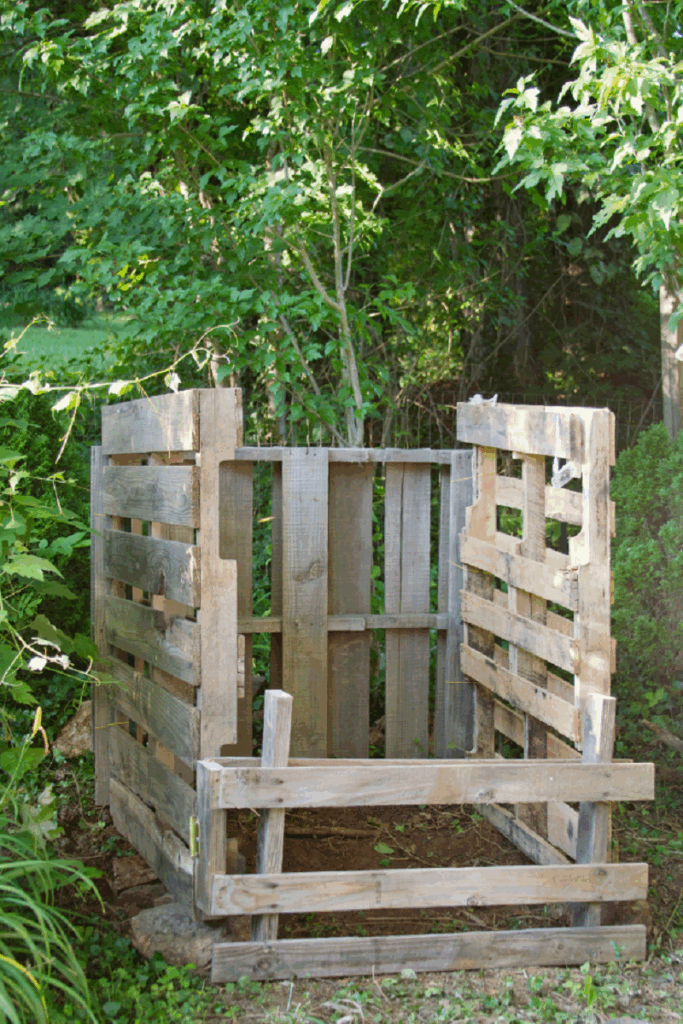
Using pallets is just one material you can build a structure for your compost from. You can tie them together to make a bay. You can just have a heap as well!
Where to put your compost heap or bin
A semi shaded location is good for a compost heap on top of soil or turf ideally (as you want the worms to get into it and for liquid to drain out) and easily accessible.
Looking after your compost
By putting on the right mix of material into your compost you are already off to a good start. The centre of your compost heap should get quite warm (around 50% or warmer in hot weather) and it needs to be turned to add in air and make sure everything from the edges gets mixed into the centre and benefits from that heat to help the decomposing process. A couple of times a year is ideal and you can use a garden fork or pitch fork for this (some compost bins come with a tool for this purpose when buying). If you have an open heap, it is a good idea to cover it in heavy rain as the consistency of good compost shouldn’t be soaking wet (more like a damp sponge).
How long does it take?
The time it takes for compost to be ready can range from six months to a year, depending on factors like how finely the ingredients are chopped, how hot the pile gets, how often it’s turned, and the season. When finished, compost should be brown, crumbly, and have a pleasant, earthy smell. Any uncomposted bits can be added back into the bin.
What you can do with homemade compost
Homemade compost is perfect for use as a mulch or soil improver. Spread it in a layer at least 5cm (2in) thick over the soil surface to help suppress weed growth and retain moisture. Over time, worms will draw it into the soil, improving soil structure and enhancing natural biodiversity. It can also be mixed with other materials to create potting compost. The RHS have a great guide on how to make your own potting mix)
Composting reduces landfill waste and it is still worth doing even if you don’t garden. You can add it to potted plants or give it away. There are neighbours or a community garden or school who could benefit.