Winter

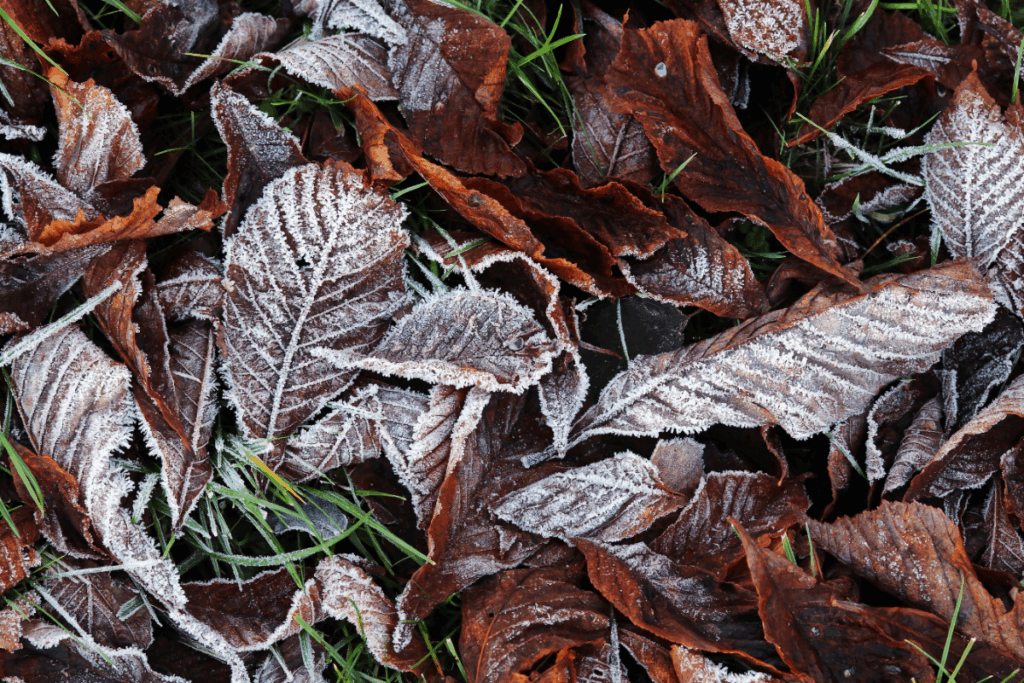
Winter brings a distinct set of changes that mark the coldest season of the year. In the garden it is a time for rest and dormancy with deciduous trees and shrubs leaving bare branches, frost and ice appearing, especially in the mornings, and possibly snow, but there is still life!
Winter flowers bloom, wildlife activity, although slow can still be seen (with those less hardy taking refuge in hibernation or migration), and the pace is signaling a time of rest, renewal, and anticipation for the warmer months ahead.
Winter is a crucial season for setting the stage for a thriving, eco-friendly garden in spring. Whether you’re new to gardening or looking to deepen your sustainable practices, winter offers opportunities to care for soil, support wildlife, and plan ahead, all while working in harmony with nature. Here’s a month-by-month guide to simple, organic jobs you can do in your garden over December, January, and February (most of them you can do in any month).
There is a button below to click through to all of our ‘how to’ guides
Winter jobs checklist
December
- Soil. Spread a thick layer of organic mulch (like leaf mould, compost, or well-rotted manure) over bare soil. This protects soil life, prevents erosion and feeds the earthworms and microbes that keep your garden healthy.
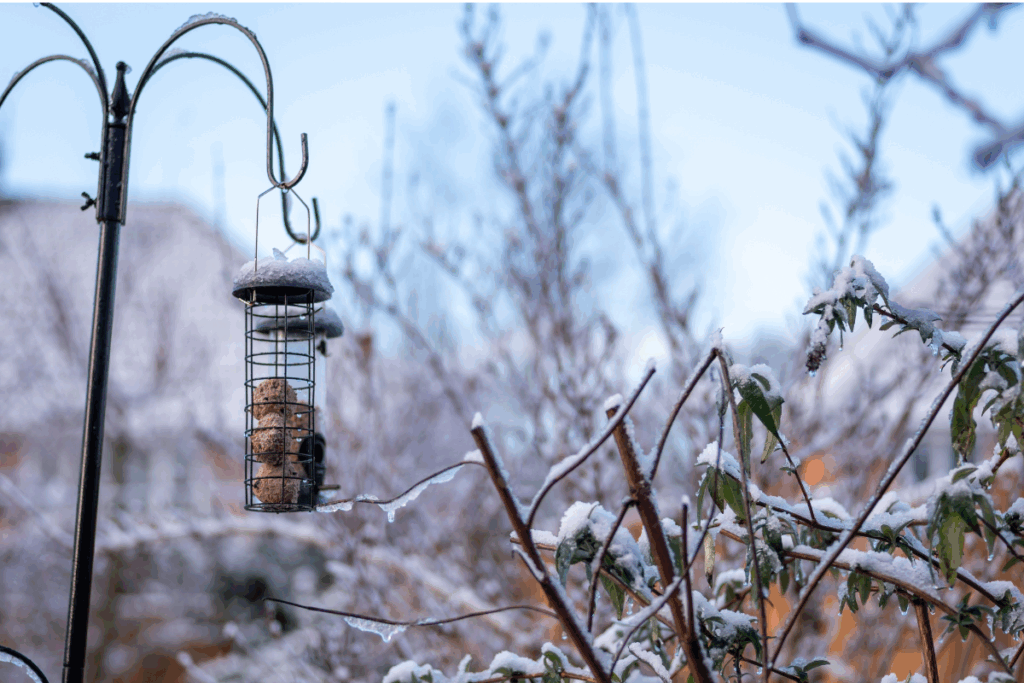
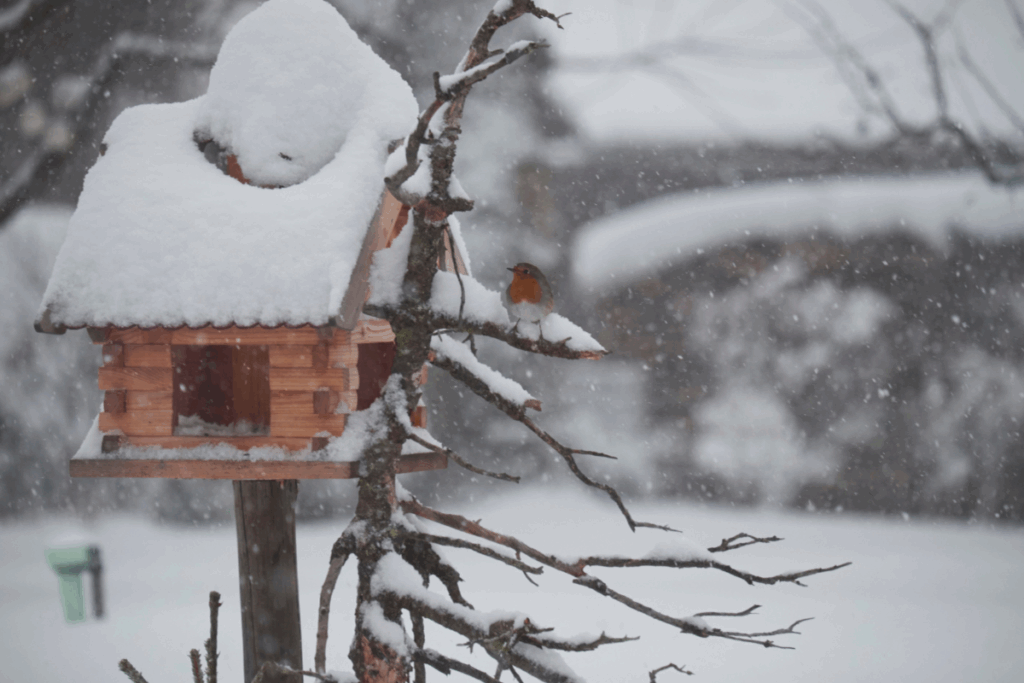
- Birds and wildlife. Set up bird feeders and leave seed heads on plants. Providing food and water helps birds and beneficial insects survive the winter, supporting your garden’s ecosystem.
- Next year’s garden. If you haven’t already, take time indoors to reflect on what worked this year. Research organic seeds, crop rotations, and companion planting for the coming season. (Have a look at our ‘how to’ guides below).
January
- Leaf Mould or Compost. Gather fallen leaves into a pile or wire bin to make leaf mould, a fantastic soil conditioner. Give your compost heap a good turnover if it’s not frozen, adding kitchen scraps and garden waste.
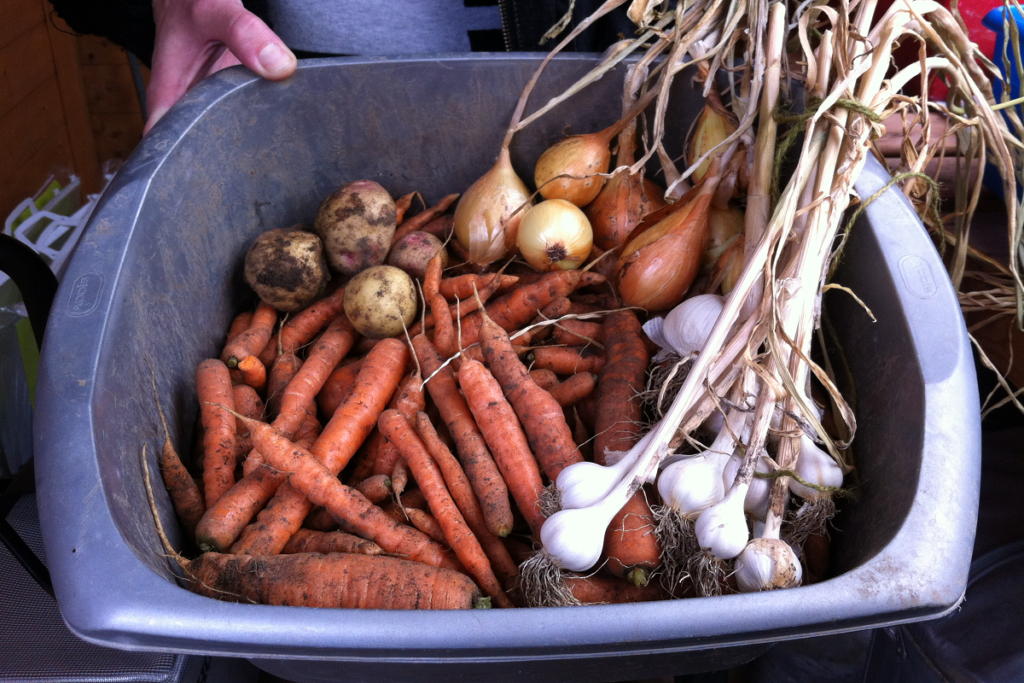
- Check Stored Produce and Seeds. Inspect stored vegetables (like potatoes and squash) for rot, and remove any spoiled ones. Check your seed stash and organise what you’ll need for spring sowing.
February
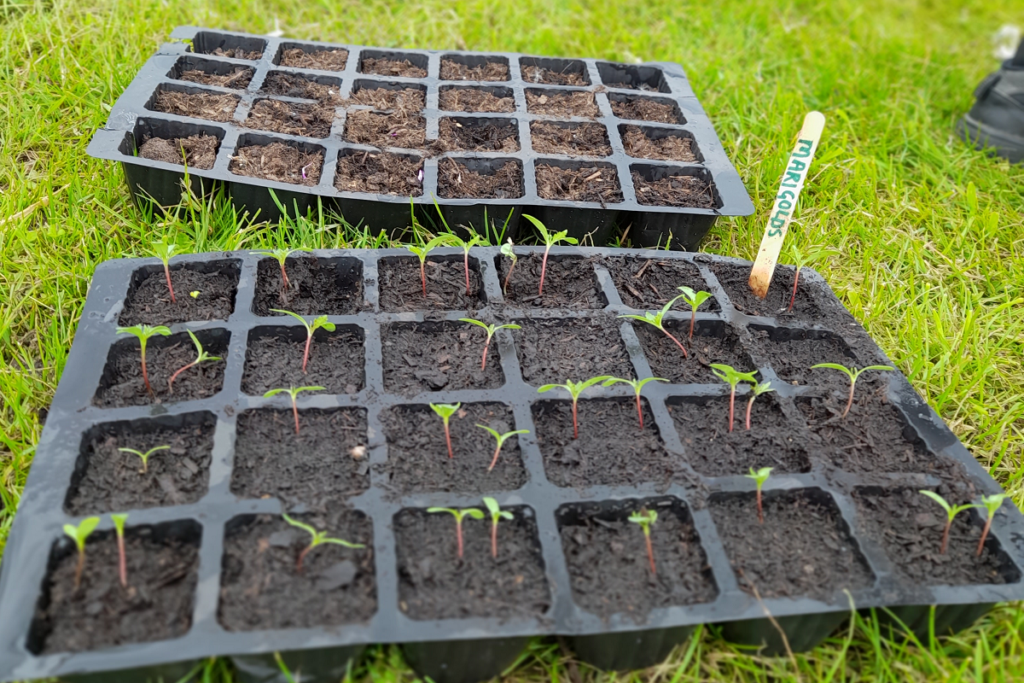
- Sow early seeds indoors. Start sowing hardy crops like broad beans, onions or early peas in trays indoors (or in a greenhouse). Use peat-free compost.
- Prepare beds for spring. On dry days, gently weed and top up beds with homemade compost or well rotten manure. Avoid digging if the soil is wet or frozen, let the worms do the work!
- Support wildlife habitats. Clean out bird boxes ready for nesting season and create log piles or leave undisturbed corners for insects and hedgehogs.