
How to collect seeds
In the heart of every garden lies a quiet revolution, one that begins with a single seed. Collecting seeds from your own plants is more than just a thrifty gardening habit, it’s a powerful act of sustainability, self-reliance, and ecological stewardship. Whether you’re a seasoned gardener or just starting out, learning how to save seeds can deepen your connection to the natural world and help build a more resilient garden year after year.
Why Save Seeds?
Seed saving is a beautiful blend of science, tradition, and sustainability. It empowers gardeners to take control of their food systems, protect plant diversity, and cultivate a deeper relationship with the earth.
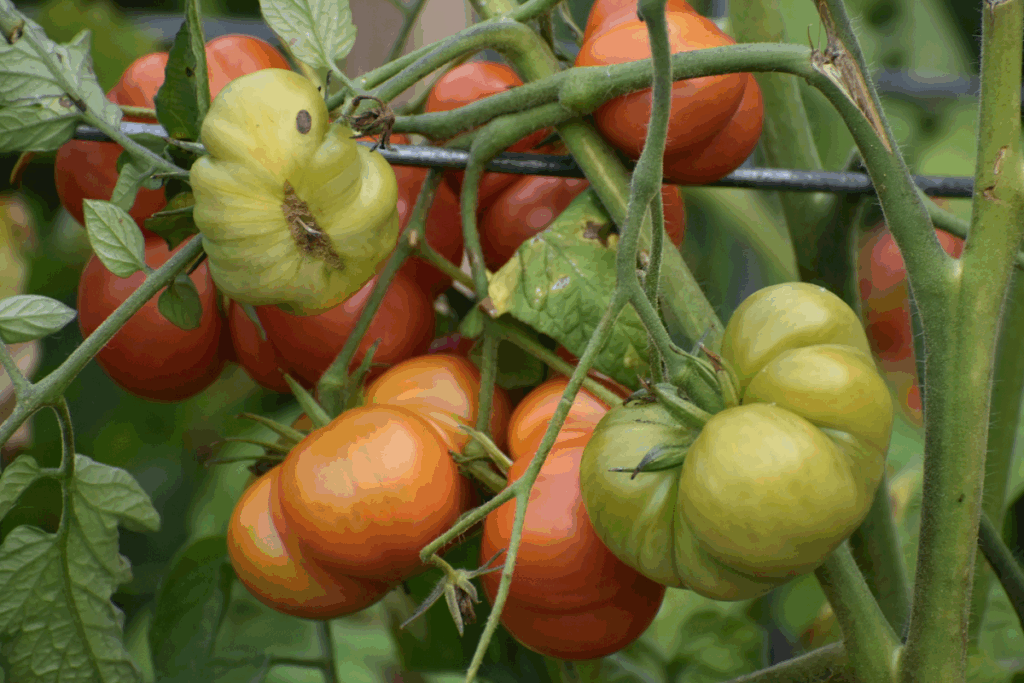
Sustainability at its core. Saving seeds reduces dependence on commercial seed companies, many of which sell hybrid or genetically modified seeds that can’t be reliably regrown. By collecting your own, you help preserve plant biodiversity and reduce the carbon footprint associated with packaging and shipping.
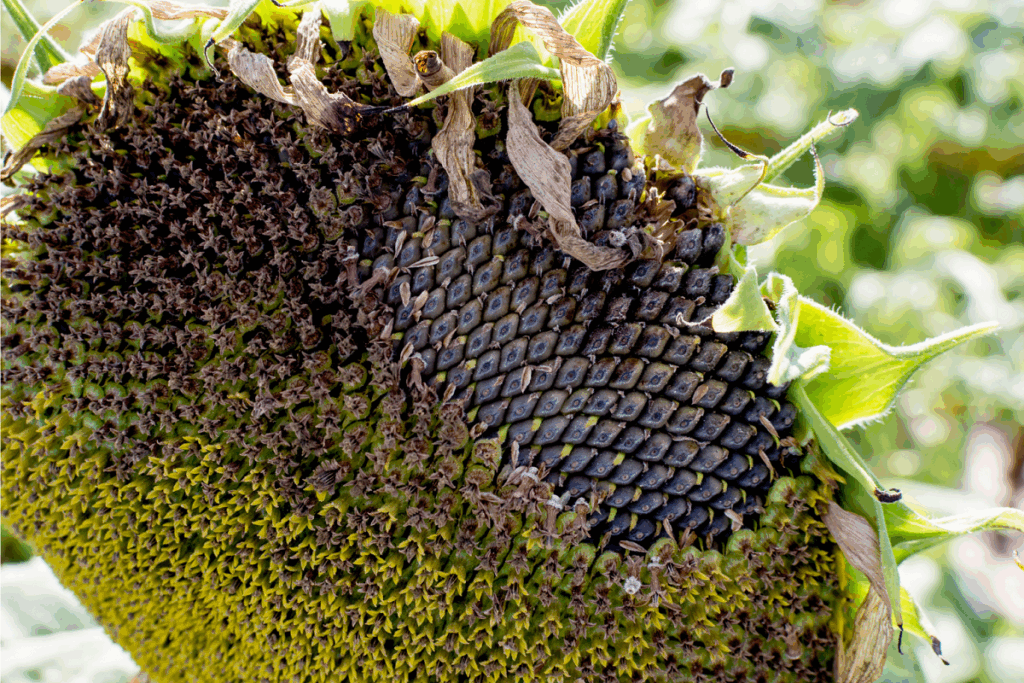
Cost-effective gardening. Seeds are one of the most affordable ways to grow plants but when you save your own, they’re free! Over time, this can significantly reduce gardening costs.
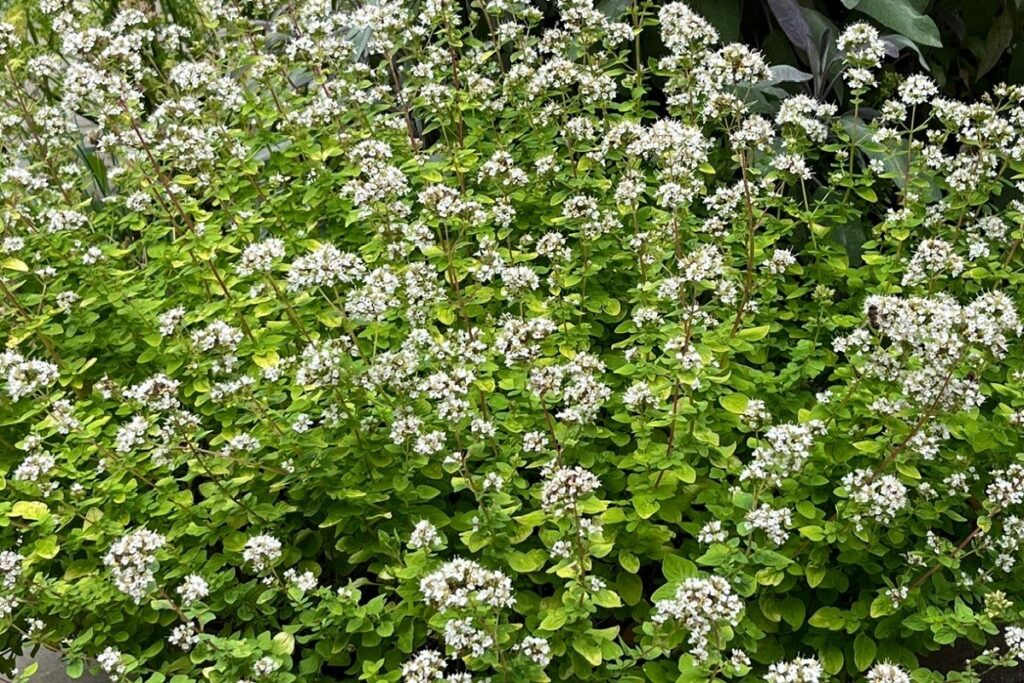
Local adaptation. Seeds saved from your garden are naturally selected for your local climate, soil, and growing conditions. This means stronger, more resilient plants in future seasons.
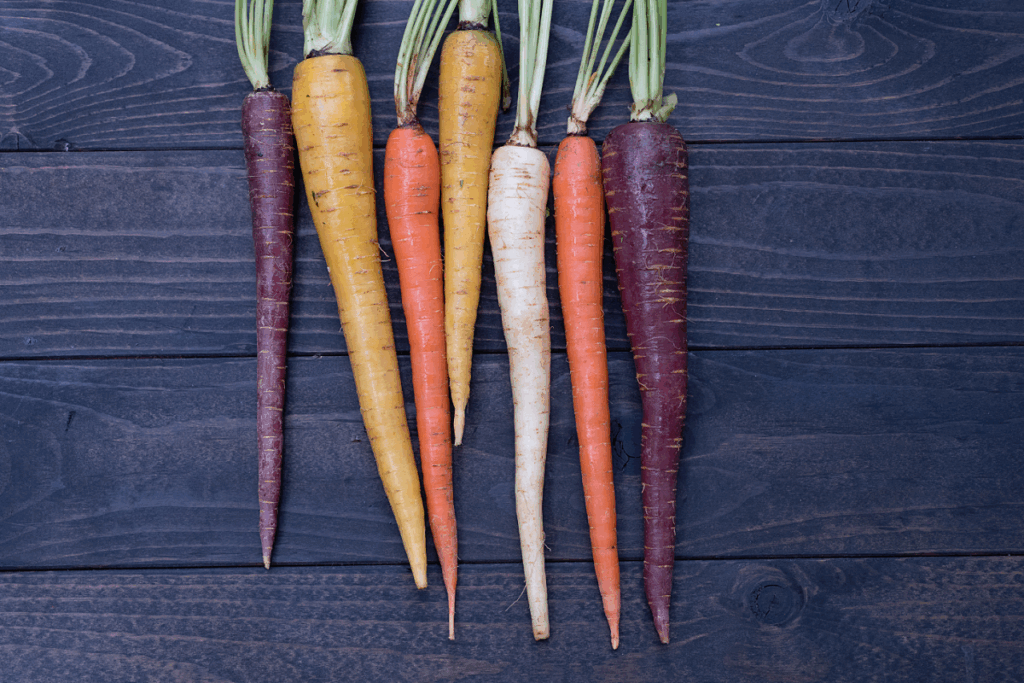
Preserving heritage varieties. Many heirloom* plants are passed down through generations. By saving seeds, you help preserve these unique varieties and their stories.
*Heirloom or heritage plants are traditional, open-pollinated varieties that have been passed down through generations, often for 50 years or more. Unlike hybrids, they grow true from seed (not crossbred), meaning their offspring are consistent and retain the same traits. These plants are valued for their rich flavours and regional significance, and because they’re genetically diverse and naturally adapted to local conditions, they can be much more resilient. They are also great at supporting biodiversity and are ideal for sustainable gardening and seed saving.
How to Collect Seeds
Choose the right plants. Start with open-pollinated or heirloom varieties. Avoid hybrids, as their seeds often don’t produce true-to-type offspring.

Let seeds fully mature. (Or ‘go to seed’. See our ‘How to keep your plants growing for longer‘ guide). Allow fruits, pods, or flower heads to fully ripen and dry on the plant. This ensures the seeds are viable and ready for storage.
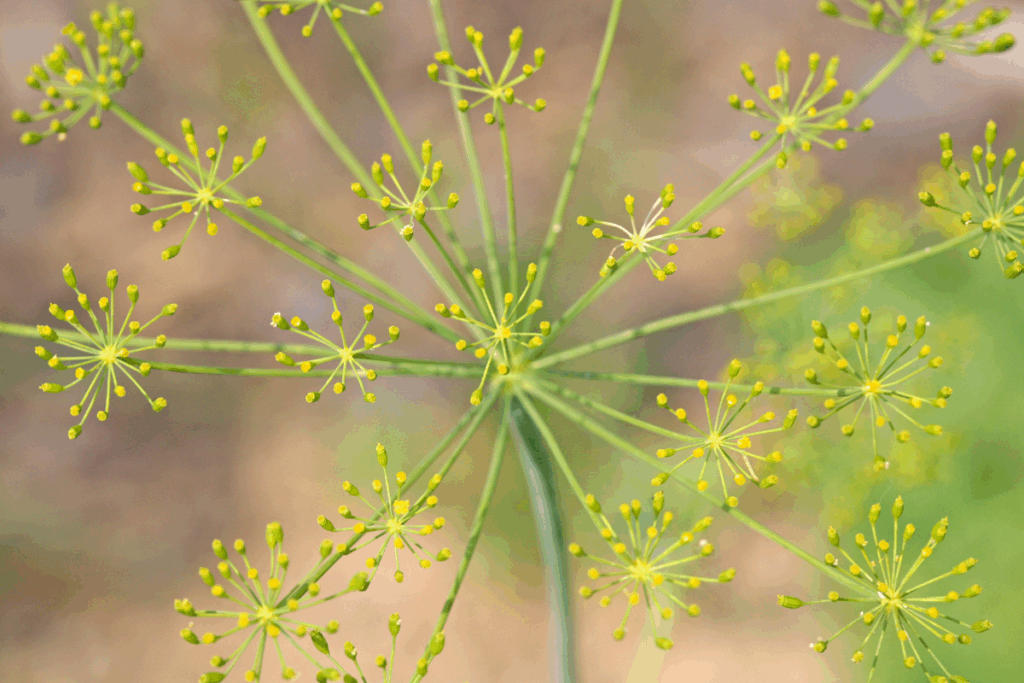
Harvest carefully. For dry seeds (like beans, peas, lettuce, or flowers) wait until the seed pods are brown and brittle. Collect them in a paper bag.
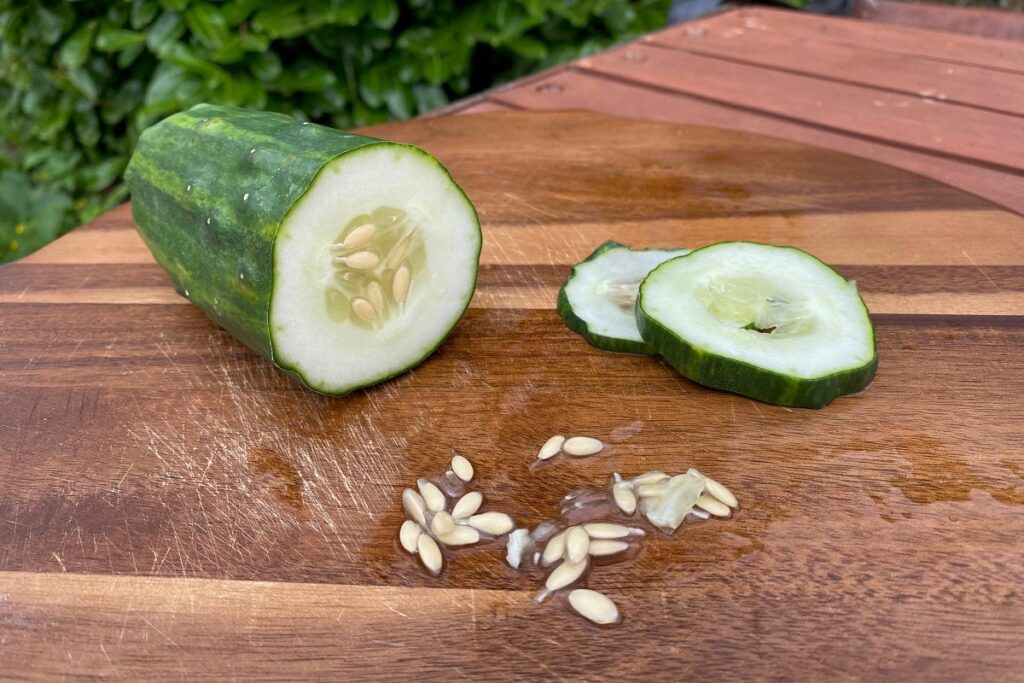
For wet seeds (like tomatoes, cucumbers, or squash) scoop out the seeds, rinse them thoroughly, and let them dry on a paper towel or screen.
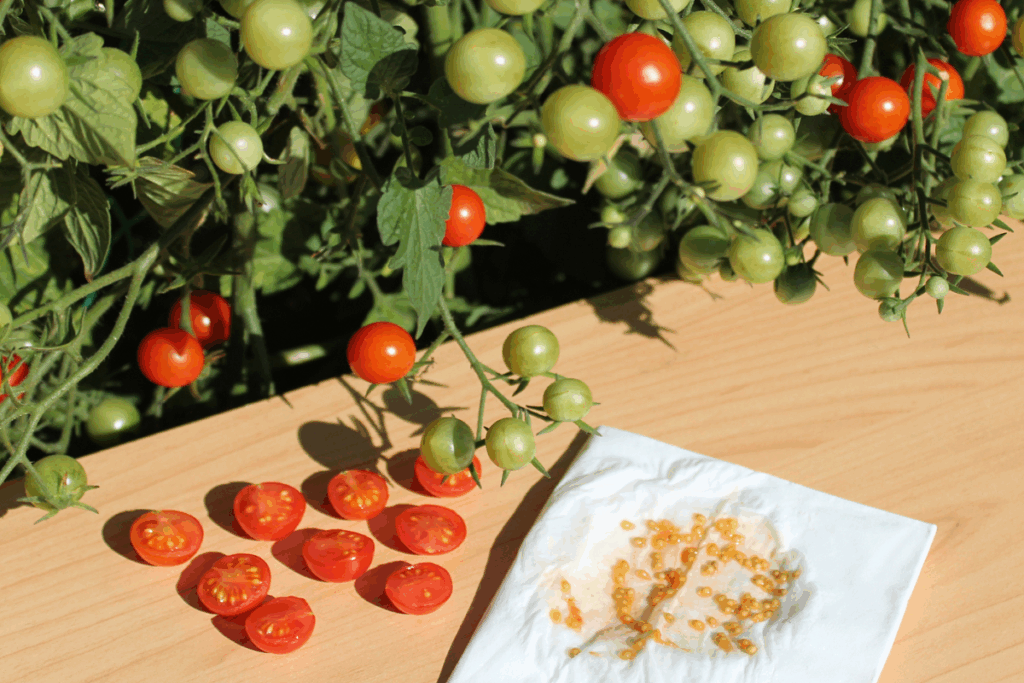
Clean and dry. Remove any pulp, chaff, or debris. Seeds must be completely dry before storing to prevent mold.
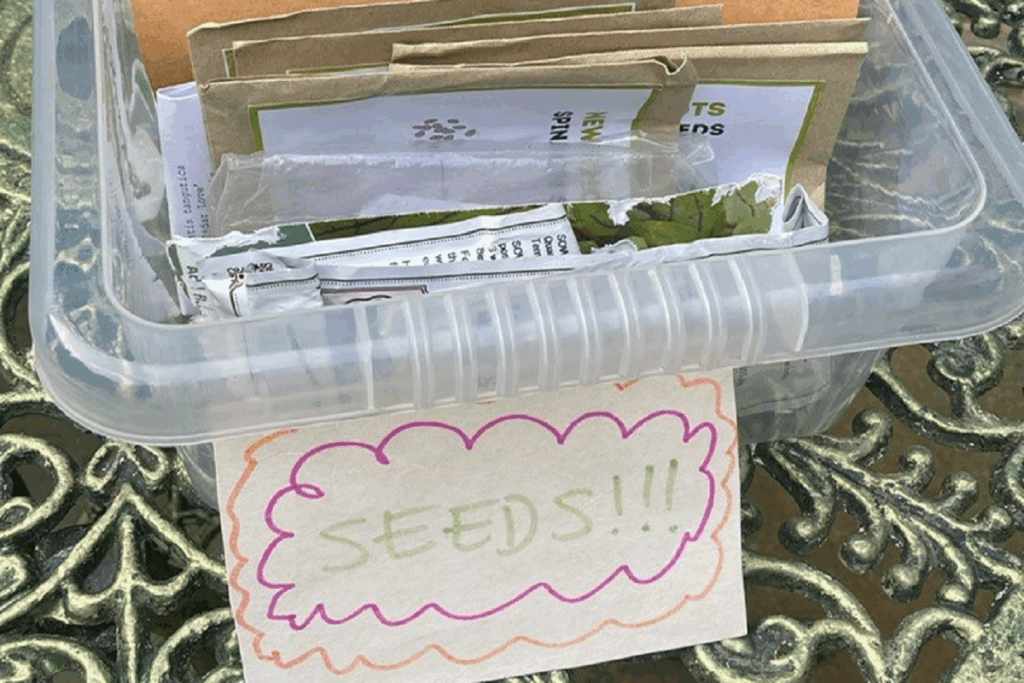
Label and store. Store seeds in paper envelopes or glass jars in a cool, dark, and dry place. Label with the plant name and date collected.
Eco gardening
Saving seeds is a cornerstone of eco gardening, which emphasizes working with nature rather than against it. Here’s how it fits in:
- Reduces Waste: Less packaging, fewer trips to the garden center, and no need for plastic seed trays.
- Supports Pollinators: Many seed-saving plants are left to flower longer, providing food for bees and butterflies.
- Encourages Biodiversity: Growing and saving a variety of plants helps maintain a healthy ecosystem in your garden.
Things to look out for when saving seeds
- Cross-Pollination. Some plants (like squash or corn) can cross-pollinate easily, leading to unpredictable results.
- Storage Conditions. Improper storage can lead to mold or reduced germination rates.
- Seed Viability. Not all seeds remain viable for long. Some, like parsnips, should be used the following season.