
How to keep your plants growing for longer
If you love the sight of lush greenery or a steady supply of herbs and vegetables from your garden, you’ll want to keep your plants thriving for as long as possible. A big part of this is understanding what it means when a plant goes to seed (or bolting), and how to work with, not against, this natural process.
‘Going to seed’ refers to the stage when a plant stops focusing on leaf or fruit production and starts developing flowers and seeds. This usually signals the end of a plant’s productive phase, especially for annuals like spinach, lettuce, coriander and basil. Once flowering begins, leaves may become bitter, growth slows, and the plant begins to die back. But don’t worry, there are ways to delay this transition and keep your plants thriving.
Signs your plant is going to seed
- Tall stalks. You will see a lot of vertical growth in the main stalk (or more).
- Change in leaf shape. They can become thinner or more serrated than normal.
- Flowers form. Blooms will appear, attract lots of beneficial insects and eventually dry out. (This is how you can harvest the seeds for next year as well).
- A change in flavour. With the focus on seed production, the plants stop sending energy to the leaves or roots and can make the produce taste bitter.
Tips to keep plants producing longer
1. Harvest frequently and properly
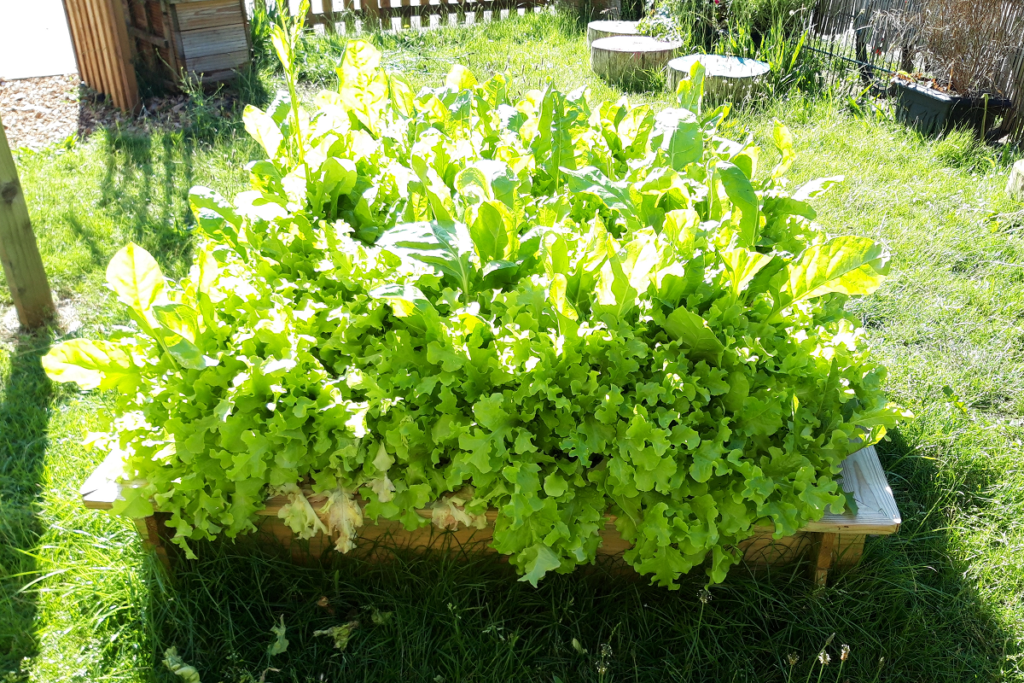
One of the most effective ways to keep a plant productive is to harvest it regularly. Think of it like a gentle reminder to the plant that it hasn’t finished its job yet.
- Leafy greens (like kale, spinach and lettuce). Harvest the outer leaves first, allowing the central ones to keep growing.
- Herbs (like basil, parsley and mint). Pinch off the tops regularly to encourage bushier growth and delay flowering.
- Fruit crops (like beans, cucumbers and courgettes). Pick the fruit while it’s young and tender to stimulate further production. Letting fruit mature on the plant tells it to slow down or stop producing.
2. Remove flower buds early
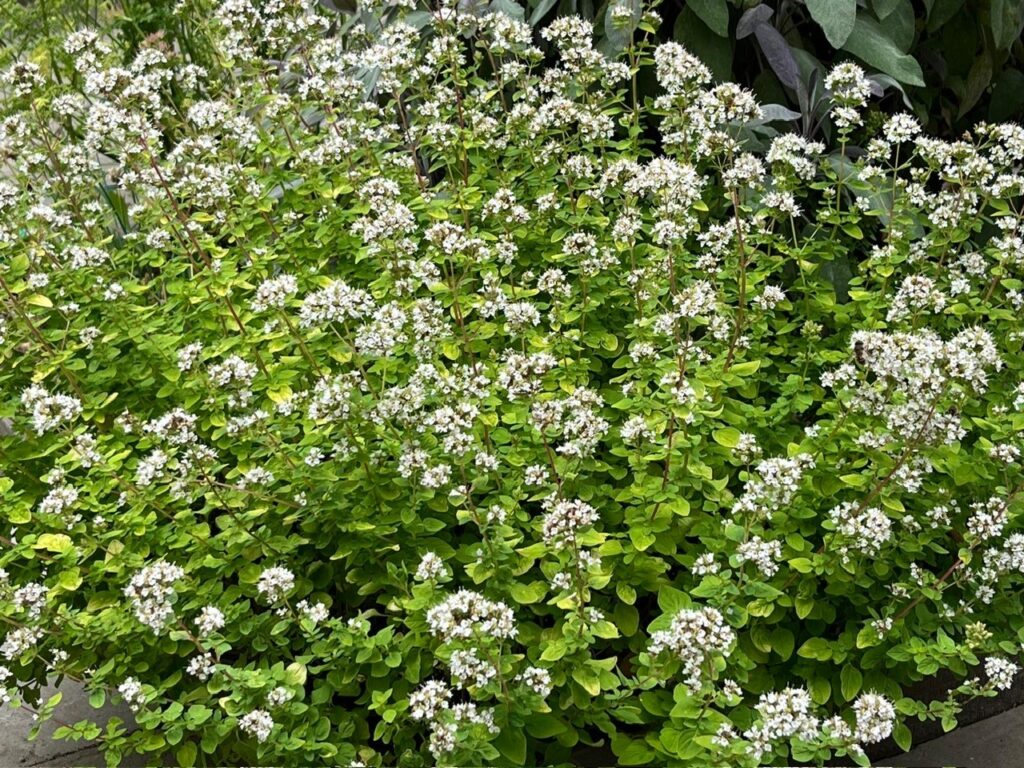
If you notice flower stalks starting to form (a sign the plant is about to seed), pinch or snip them off right away. This is especially helpful with most herbs.
- Basil – Remove flower buds as soon as they appear.
- Coriander, marjoram, parsley and dill – These bolt quickly in warm weather so be vigilant.
This keeps the plant focused on growing rather than reproducing.
3. Provide consistent water and shade

Heat and drought are common triggers for bolting. Keep your plants comfortable to slow this process down.
- Water regularly, but avoid waterlogging.
- Use mulch to retain soil moisture and keep roots cool.
- In really hot weather, providing partial shade can be helpful.
4. Feed your plants well
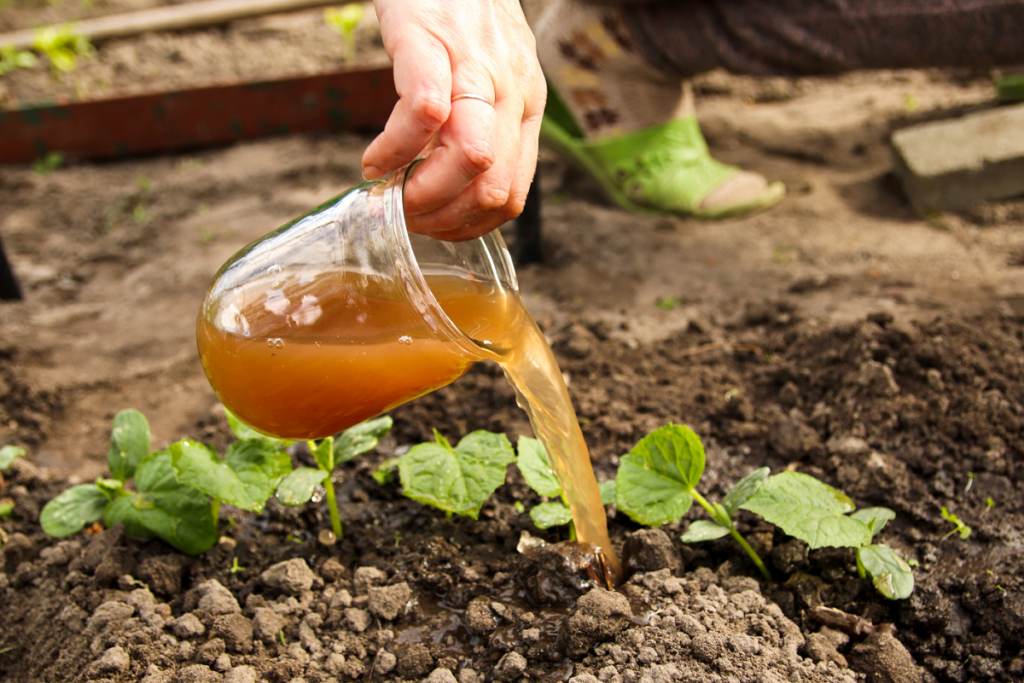
Plants under nutrient stress often bolt early. Make sure you’re giving them what they need.
- Use a balanced, slow-release fertilizer for general growth. (See our how to make natural plant food guide)
- Avoid over-fertilizing with nitrogen, which can make plants grow rapidly but weakly.
Even with the best care, most annuals will eventually go to seed. To keep your harvest going, try succession planting, sowing new seeds every couple of weeks. This gives you a continuous supply of young, productive plants. You can also look to sow varieties of produce that a more resistant to seeding than others.
Why going to seed isn’t always a bad thing
Although it might feel like the end of the line, there are actually several reasons to let some of your plants flower and seed:
🌼 Supports pollinators
Flowering plants attract bees, butterflies, and other beneficial insects that help pollinate your entire garden.
🌱 Seed saving
Letting a healthy plant go to seed gives you the opportunity to collect seeds for next season especially useful with heirloom varieties. (See our how to collect seeds guide)
🌾 Self-seeding
Some plants like rocket, calendula, nasturtiums, mustard, lettuce, radish, coriander and dill are excellent self seeders and will drop seeds and regrow naturally the following season, a process known as volunteering. (Don’t let them take over your garden!). Biennial crops such as carrots, parsnips, parsley and kale will grow leaves (and roots) in their first year. If left unharvested they’ll flower in the second year, providing a much-needed source of early pollen and nectar for insects before they give up their seed.
🪻 Edible flowers and seed pods
Some seeds and flowers are edible too! Coriander seeds, nasturtium flowers, and fennel pollen are all delicious.