Resource Hub: Diversifying the Environmental Sector

Groundwork’s Resource Hub for employers shares learnings and practical tools for environmental organisations to build more accessible recruitment practices and workplace cultures.
Research shows that global demand for green talent is growing twice as fast as supply, leading to a risk of one in five green jobs going unfilled by 2030. Estimates suggest that meeting current tree planting targets alone will require a 70% increase across the workforce while the Government’s Clean Energy Jobs Plan aims to create 400,000 jobs in the next five years.
Meanwhile, ONS figures show nearly one million young people are not in work, training or education, with a Resolution Foundation report citing increasing levels of disability and ill-health, leading the Government to announce plans to guarantee waged work placements for young people out of work for 18 months.
What is the solution?
Efforts to tackle this require a fundamental shift in the current landscape of the environment sector workforce and ensuring that more accessible pathways are created for people who are currently under-represented in the sector, to inspire those from all backgrounds to view green jobs as a viable career path.
We need to create more opportunities for people kickstart a meaningful career in the green economy, ensuring we build a skilled workforce to reverse UK nature decline and boost net zero efforts. A more representative nature workforce will, in turn, help encourage a wider variety of people to connect with and benefit from nature, helping to address current inequalities.
From national and local government, businesses and charitable funders – it’s vital that we invest in both people and the planet: creating healthier communities, improving green and blue spaces in towns and cities across the UK, and ensuring a more sustainable economy can grow.
What do we mean by ‘green jobs’
A green job is an ‘activity that directly contributes to, or indirectly supports, the achievement of the UK’s net zero emissions target and helps mitigate climate risks.’ Investment in building a workforce with nature skills will support other growing sectors of the economy such as water, energy, food and housing.
What can environmental organisations do to create a more inclusive sector?

Create more genuinely entry level positions – both for young people and career changers – opening up pathways into the sector.

Listen to feedback about barriers to recruitment and removing unnecessary obstacles such as qualifications or voluntary work.

Collaborate and share learning to ensure good practice across the sector and that larger organisations are sharing power and resources.
New to Nature: an inclusive green jobs programme
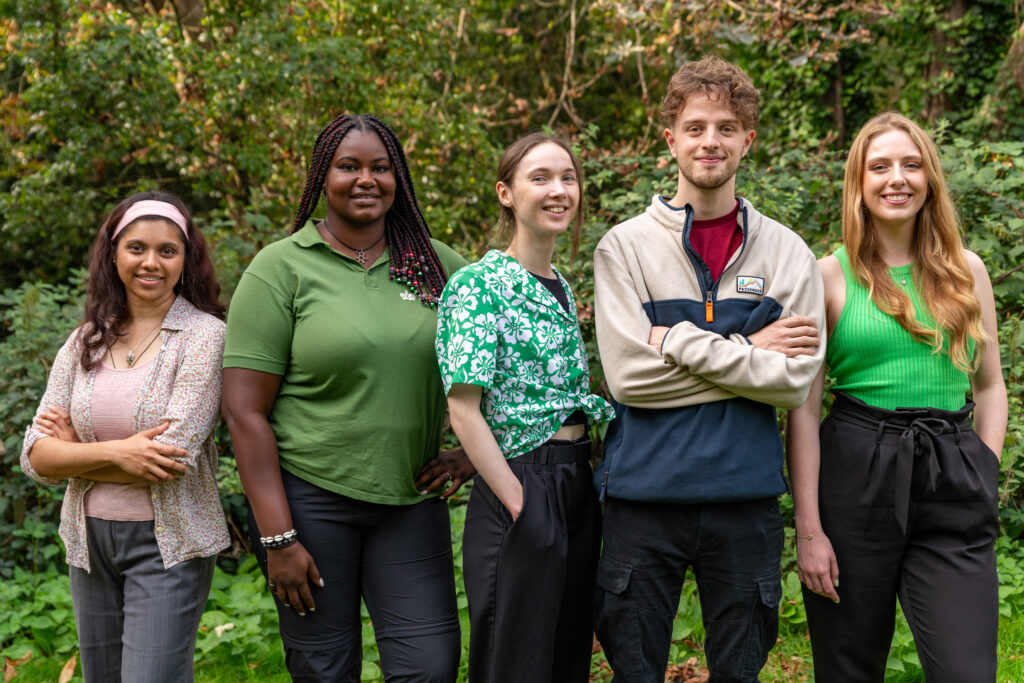
The content throughout this hub has been guided by the success of New to Nature – an employment initiative for underrepresented people in nature careers, as part of efforts to create a more inclusive environmental sector.
The programme – that has now completed – was aimed at young people who are disabled, from an ethnic minority, or from low-income homes, and provided an opportunity to gain 12-months of paid employment in a nature job.