
New to Nature Inclusive Recruitment Guide
The New to Nature Inclusive Recruitment Guide offers practical support for environmental organisations to attract and support diverse talent.
Developed from the experiences of over 80 organisations, the guide focuses on improving access to nature-based careers for young people aged 18–25 from ethnically diverse, disabled, and economically disadvantaged backgrounds.
The guide outlines 10 key steps to inclusive recruitment
- Lay the foundations: build organisational commitment to equity, diversity, and inclusion through leadership buy-in, staff training, and accountability measures.
- Understand your starting point: collect workforce demographic data to identify gaps and track progress.
- Consider entry-level roles: create accessible opportunities for candidates with limited experience.
- Encourage applicants with inclusive job packs: use clear language, realistic requirements, and highlight organisational values.
- Use direct language and representative imagery: showcase diversity in promotional materials to attract underrepresented groups.
- Adopt a simple application process: prioritise motivation and skills over qualifications and offer flexible submission formats.
- Design inclusive interviews: share questions in advance and offer virtual or in-person options to reduce performance pressure.
- Provide supportive onboarding: tailor induction processes to individual needs and ensure accessibility.
- Offer ongoing support: use mentoring and coaching to help trainees thrive.
- Evaluate and improve: gather feedback and monitor outcomes to refine recruitment practices.
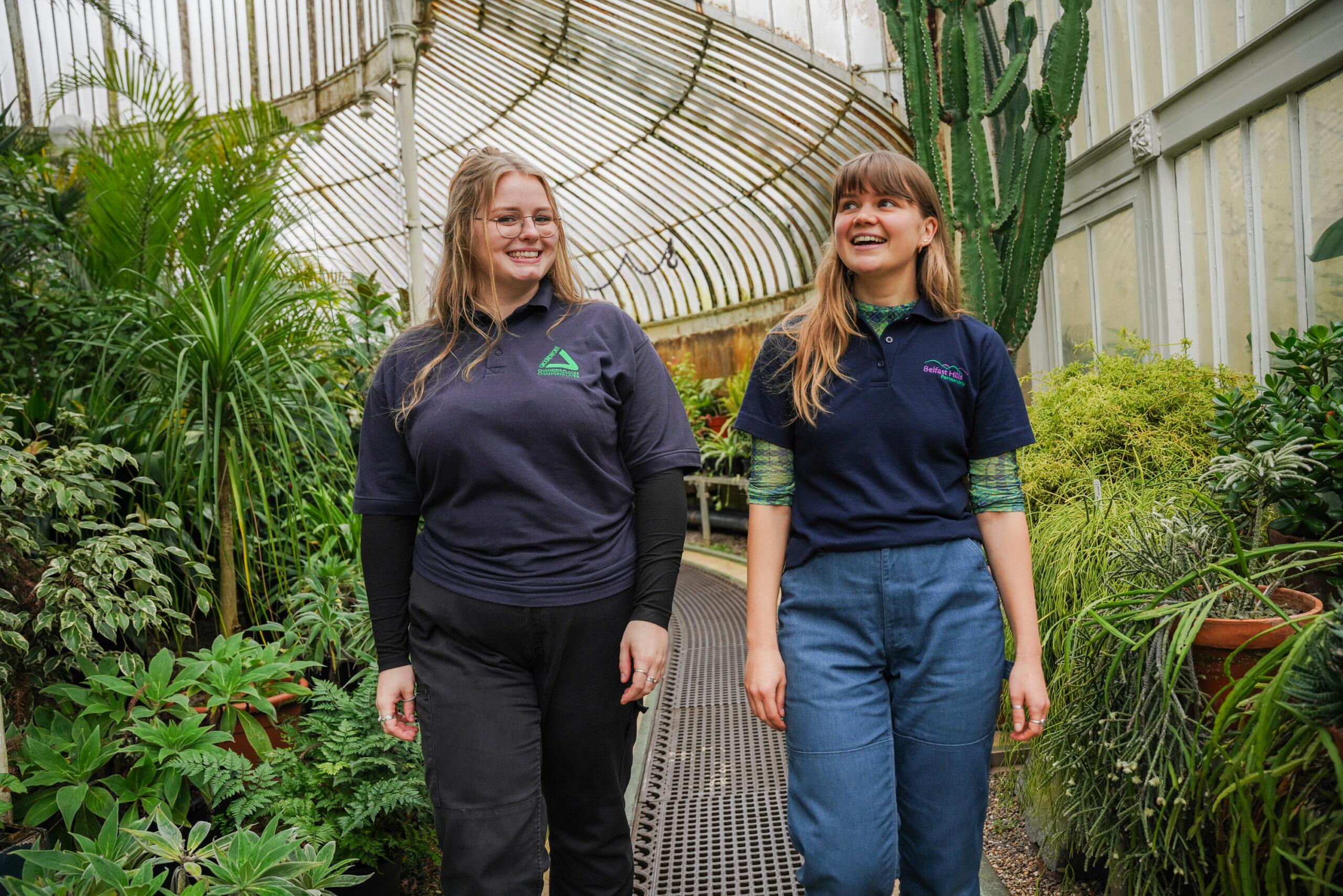
The guide demonstrates that small, intentional changes can significantly improve diversity in recruitment – 86% of New to Nature trainees came from at least one priority group.
Key success factors
- 12-month placements: longer placements gave Trainees time to integrate, build confidence and contribute meaningfully.
- Sector skills development: Trainees gained high-value skills through varied roles and structured training, aligned with green jobs recommendations.
- Cohort model: grouping Trainees fostered community and reduced isolation, especially for those facing systemic barriers.
- Utilising the ‘Breaking Barriers’ Fund: that covered costs for equipment, uniforms, transport, and driving lessons—removing financial and logistical barriers.
- Provide attractive conditions: paid roles with flexible hours made participation viable for a wide range of candidates.
- Wrap-around support: Host Organisations provided tailored onboarding and supervision, while peer networks and Employment Coaches offered additional guidance.
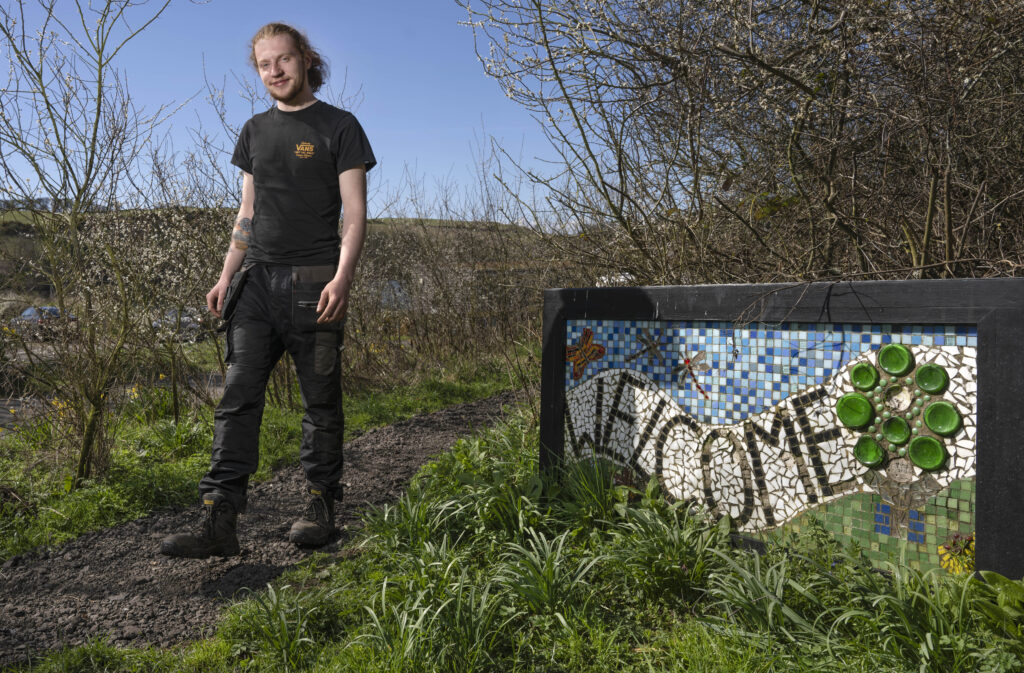
- Tailored support: Host organisations received training to support neurodiverse Trainees and those with specific needs.
- Peer networks: Trainees benefited from shared experiences and emotional support, especially those who felt isolated or underrepresented.
Read further learning documents below:

Practice Guide: What made the difference?
Lessons from the test and learn approach adopted by New to Nature show which tactics were most effective in ensuring Trainees, Hosts and the sector benefitted from inclusive work placements.

Lessons Learned for Inclusive Practice
Read about the lessons learnt from New to Nature to best create inclusivity and diversity within the sector, including the initial recruitment process, through to support in the workplace.

Neurodiversity Tips for Managers (2024)
A practical guide, informed by New to Nature Trainees with lived experience, for managers or colleagues of neurodiverse employees to help them to thrive in your organisation.