Community Powered Nature Recovery in The Medlock Valley
Community Powered Nature Recovery is Groundwork’s approach to putting local people at the heart of restoring nature, recognising that residents are the experts in their own neighbourhoods and understand local opportunities and challenges better than anyone.
By providing practical training, skills development and ongoing support, we help communities who live in and around the Medlock Valley to create, improve and care for the green and blue spaces in the valley, from building wildlife habitats and monitoring biodiversity to shaping local decision‑making.
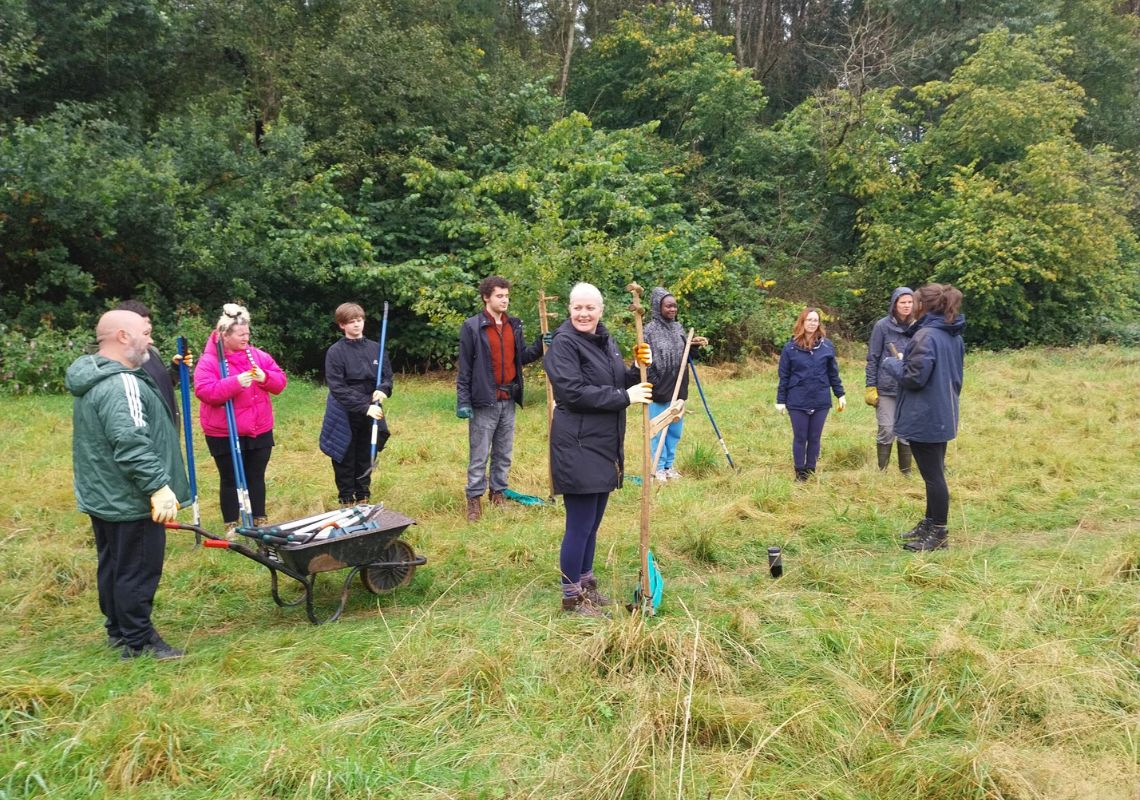
As part of the Species Survival project throughout 2025 Groundwork’s Green Skills Tutor worked with The Conservation Volunteers to deliver weekly course on habitat and species management at Clayton Vale Green Community Hub, targeting local community groups and passionate residents.
The course comprised of both theoretical and practical learning, giving local people the opportunity to learn how to identify different species of native trees and practice the different woodland management techniques in the surrounding woodland at Clayton Vale.
60 people attended the courses and, based on feedback received, 100% of attendees agreed they had developed their skills. One attendee commented;
I especially love that it’s a regular thing so we can build up knowledge and skills week on week and get to know the people attending, and the staff delivering the workshops.
Who we’ve been supporting in the Medlock Valley:
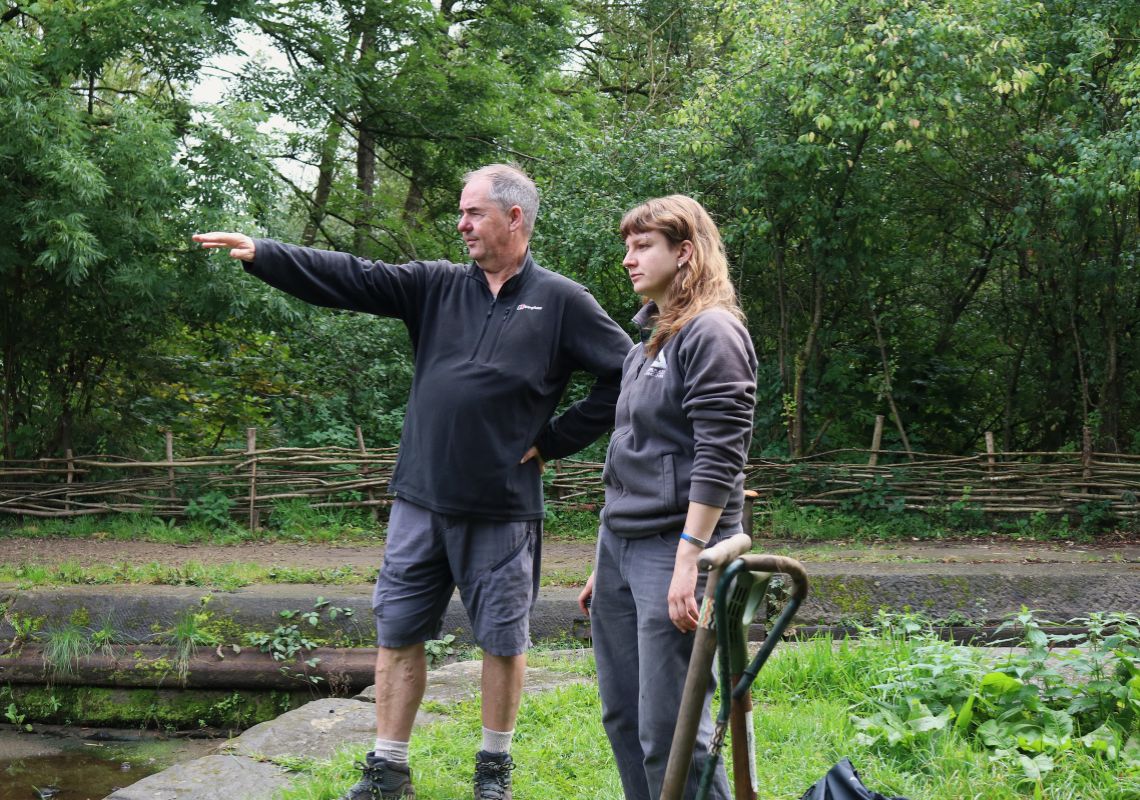
Daisy Nook
Background
Nearly a decade ago, a small online community began to form around a shared love of wildlife photography and a passion for Daisy Nook Country Park. Connected through Facebook, the group steadily grew into a thriving community of more than 20,000 members.
As interest grew, a dedicated group of local residents came together to establish a formal Friends Of group. Since then, they have become a powerful voice for the park, lobbying for investment through engagement with local MPs, coordinating volunteer action and bringing together organisations and individuals with shared interests in nature, heritage and conservation.
A key achievement has been their work with probation services, which now coordinate Community Payback teams at Daisy Nook six days a week, helping to deliver significant environmental improvements across the site. Alongside this, the group continues to organise community tidy-ups and informal volunteering opportunities for local residents.
Their Current Plans (updated 2026)
The Friends Of group has ambitious plans for the future of Daisy Nook. Drawing on the knowledge and enthusiasm of its many nature enthusiasts, the group is passionate about improving habitats for wildlife, preserving local heritage and increasing accessibility throughout the park.
Their large network of wildlife photographers also provides valuable informal citizen science data, recording plants, insects and bird species throughout the year and tracking the arrival of migratory birds.
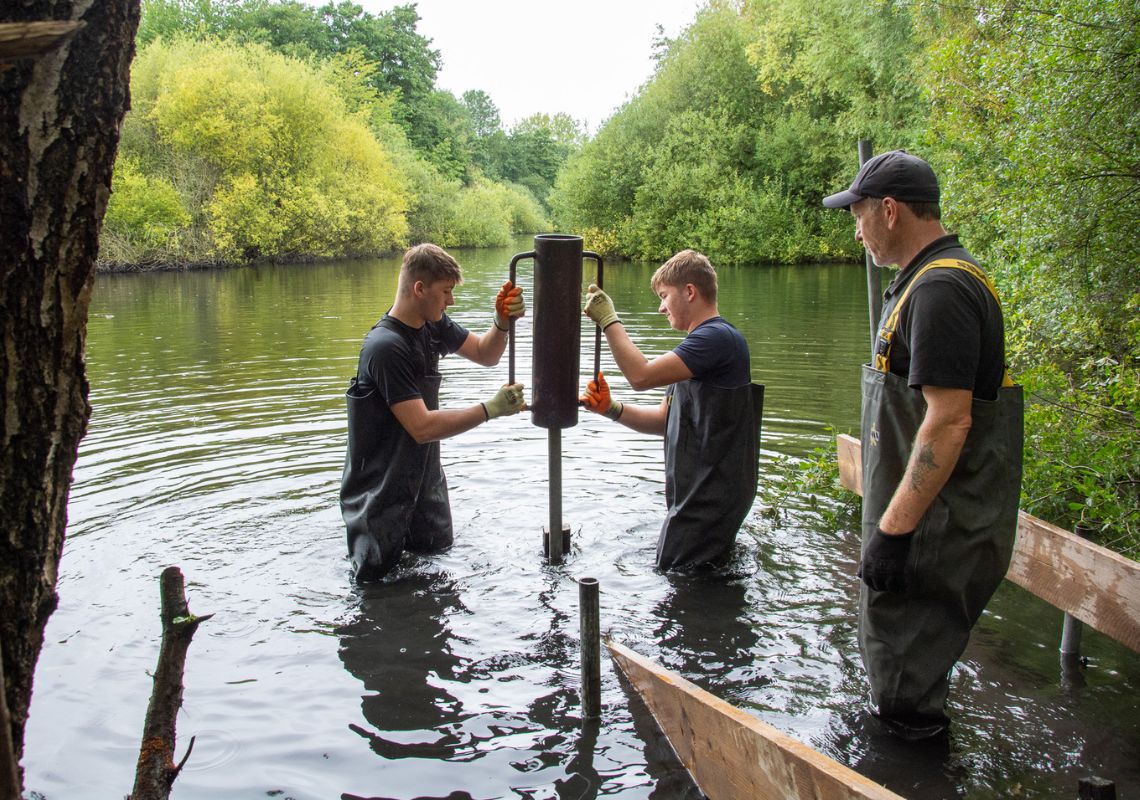
One of the group’s current priorities is the restoration of the model boat pond, which has suffered from leaks and fallen into disrepair. Community Payback teams have already made great progress clearing vegetation around the pond.
How Groundwork Is Providing Support
Before beginning any activity in the area, Groundwork met with the Friends Of group to understand their priorities and ensure any support would complement, rather than duplicate, existing efforts.
The group welcomed the additional capacity, explaining that while they had a wealth of local knowledge and enthusiasm, they sometimes found it difficult to recruit enough volunteers to undertake larger projects or host community events. They also recognised a need for specialist training in certain aspects of habitat management.
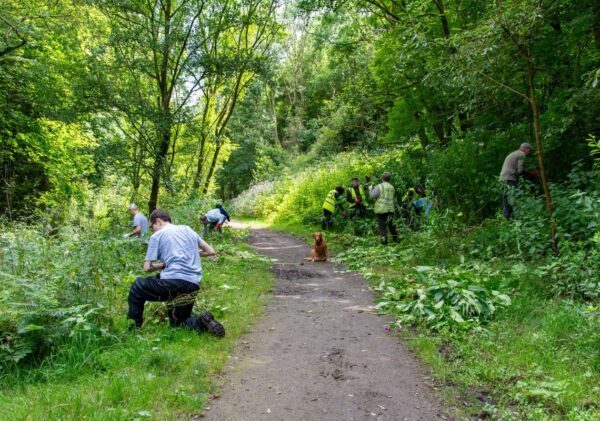
In response, Groundwork and City of Trees began delivering volunteer events through the Species Survival Fund, enabling local residents to take part in larger-scale conservation activities such as woodland management and invasive species control. Members of the Friends Of group were also invited to Green Skills training sessions, helping them develop specialist knowledge of species identification and habitat management techniques.
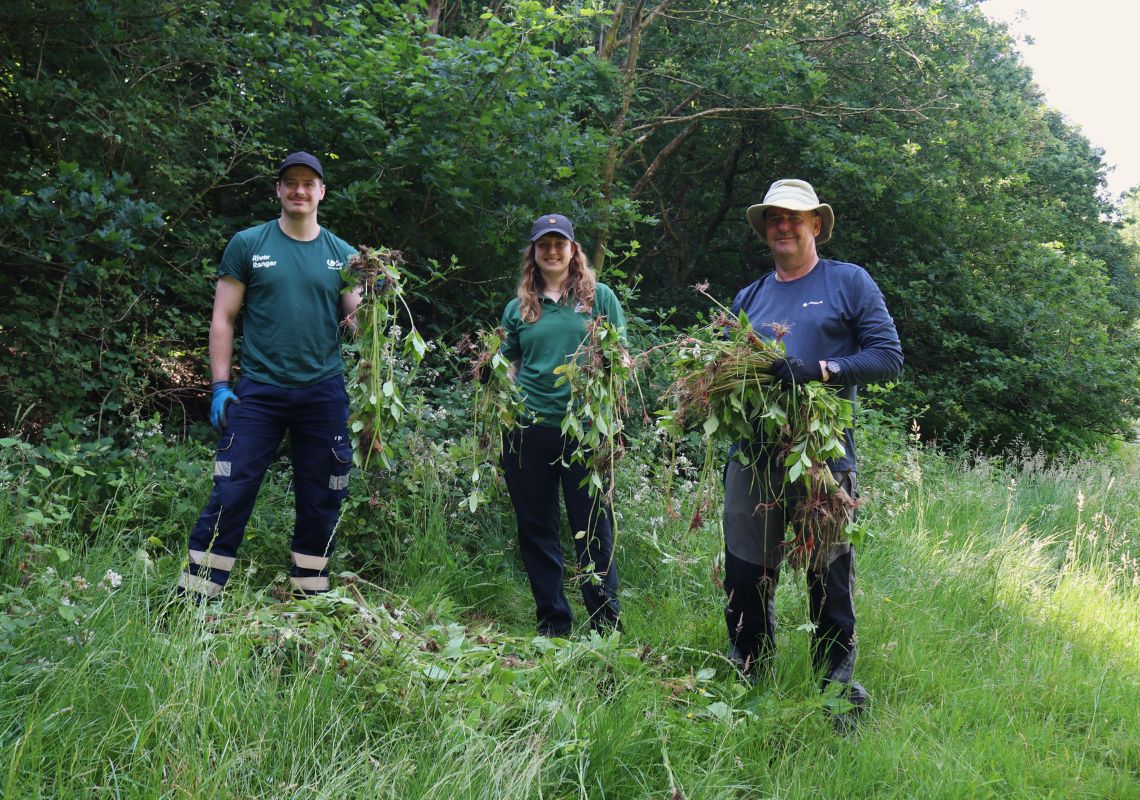
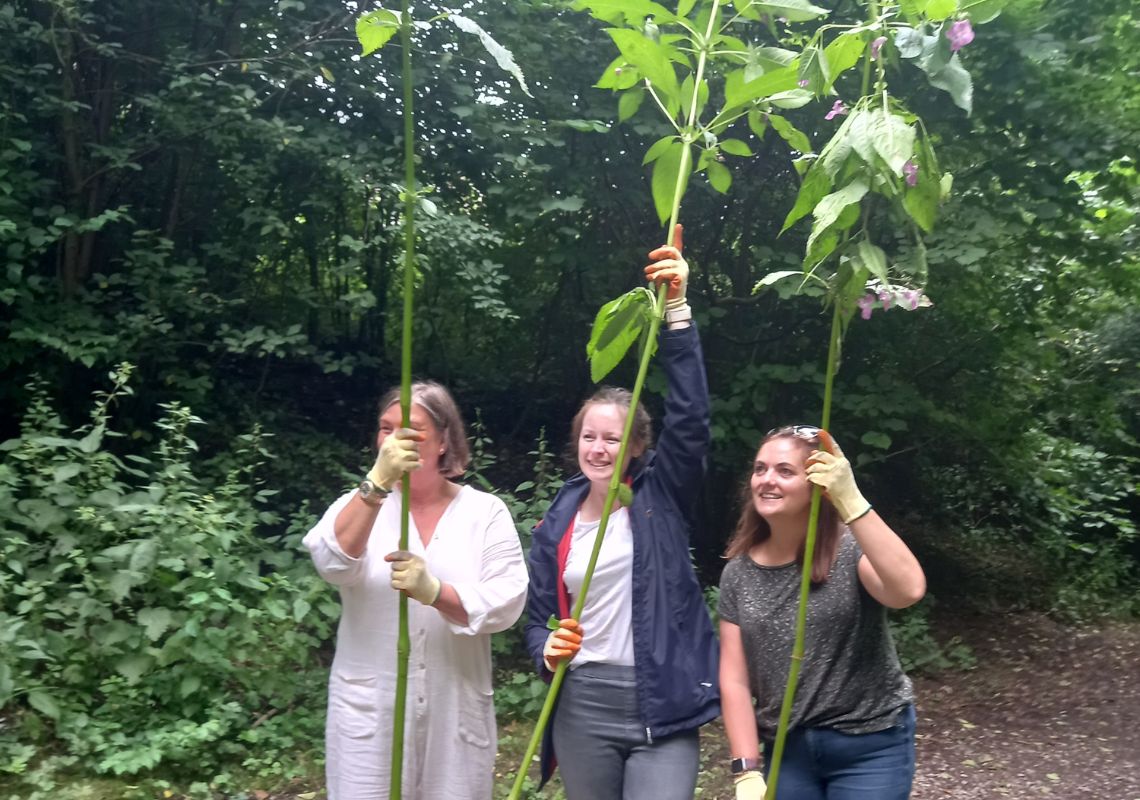
A particular focus has been tackling Himalayan balsam, an invasive species affecting parts of the park. Throughout 2025, Groundwork delivered both classroom and practical training sessions to build local knowledge and confidence. By 2026, members of the Friends Of group had developed the skills needed to lead balsam removal activities themselves, engaging corporate volunteers to support work around the model boat pond. They are now working with Groundwork to identify priority areas for future action, recognising the value of having a trusted environmental partner to provide advice and expertise when needed.
With the groups ambitions to restore the model boat pond well underway, Groundwork has also offered to deliver advice and Green Skills training focused on pond ecosystems and protected species, helping ensure restoration activities deliver the best outcomes for both people and wildlife.
There’s a spirit and a community feel to what’s going on now thanks to Groundwork and City of Trees. Their big programme of events has seen more people are coming down and now everyone wants to do their bit to help.
Paul, Friends Of Daisy Nook
Sunnybank Vale
Background
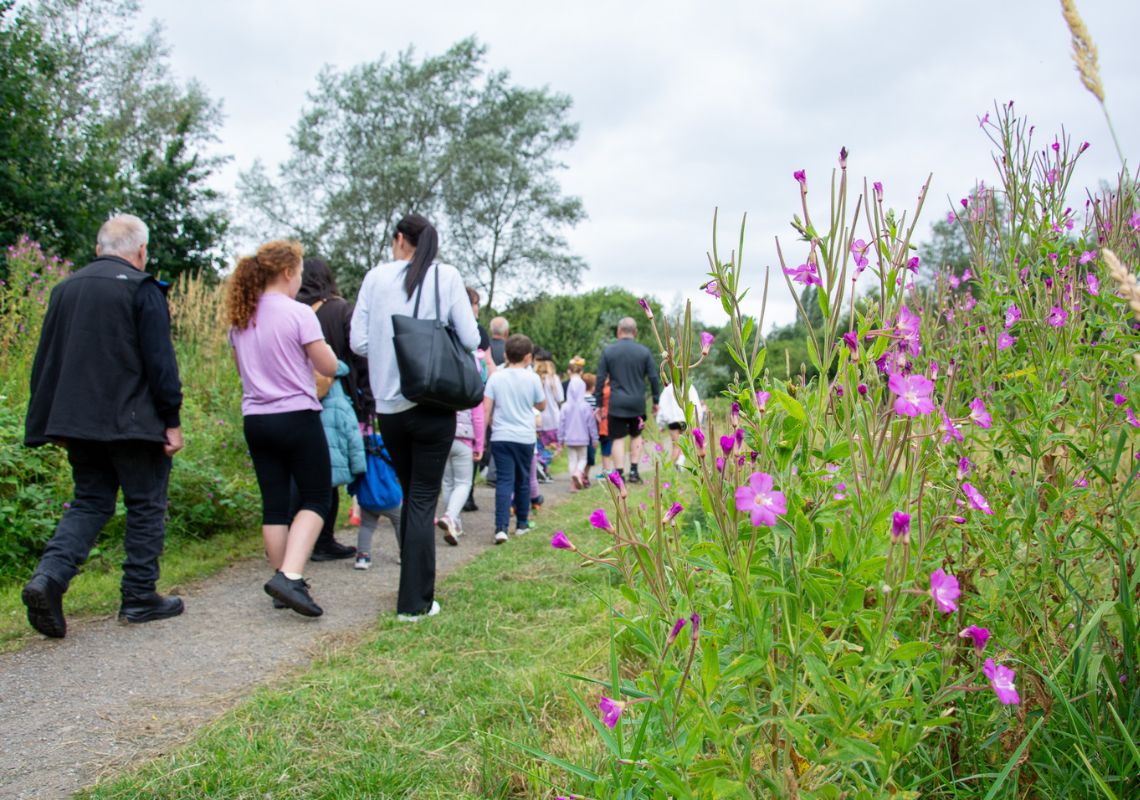
The Friends of Sunny Bank Vale was established in July 2011 and has spent more than a decade caring for and improving this valued local green space. Many of its members have lived in the surrounding area for over 50 years and have dedicated countless hours to protecting and enhancing the site for future generations.
Guided by a shared commitment to improving the Vale, the group works to promote Sunny Bank Vale as a free and accessible public open space, improve the site’s infrastructure and environment in partnership with landowners, encourage recreation and outdoor learning and protect and enhance local wildlife.
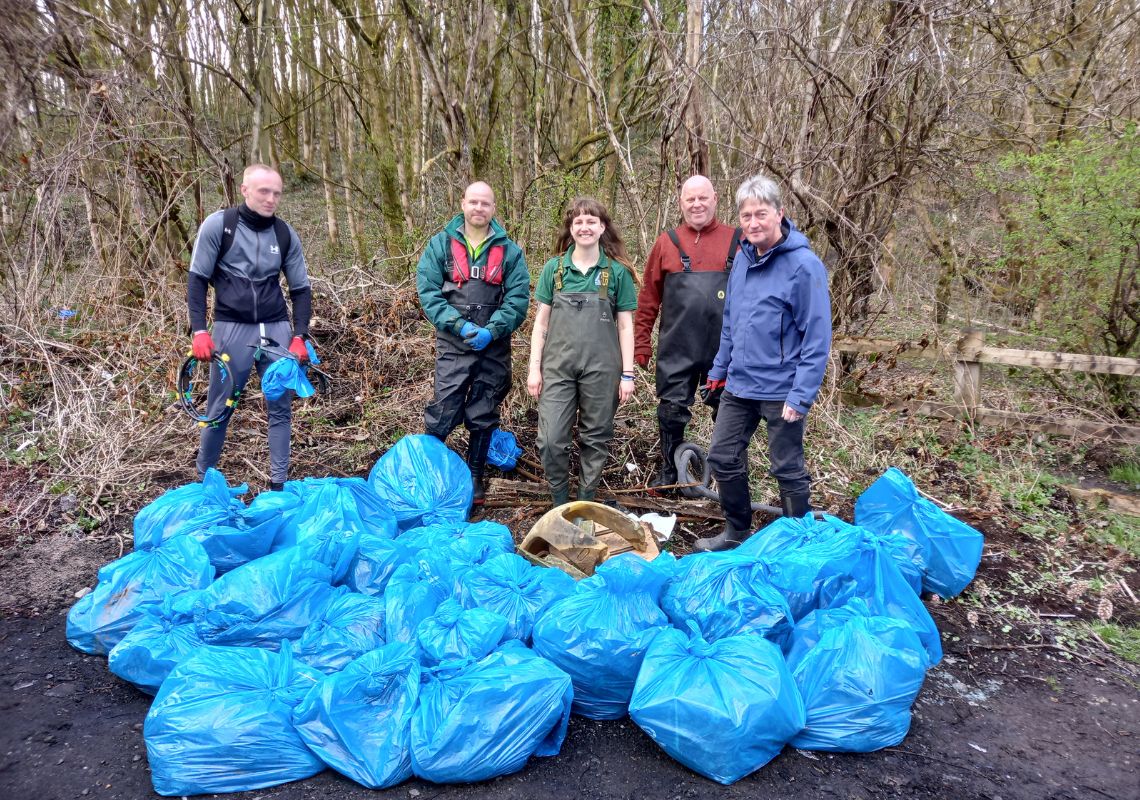
Over the years, volunteers have undertaken a wide range of practical conservation activities, from litter picking and path improvements to tree management, bird and bat surveys and monitoring local wildlife populations. Their long-standing dedication has helped make Sunny Bank Vale a well-loved community asset and an important haven for nature.
Their Current Plans
The group remains committed to the ongoing care of the site, continuing to organise regular litter picks and carry out improvements to footpaths throughout the year.
Alongside this maintenance work, volunteers are keen to create and enhance habitats wherever possible to support local wildlife. A particular priority is tackling Japanese knotweed, an invasive species that requires specialist treatment and significant investment to remove effectively.
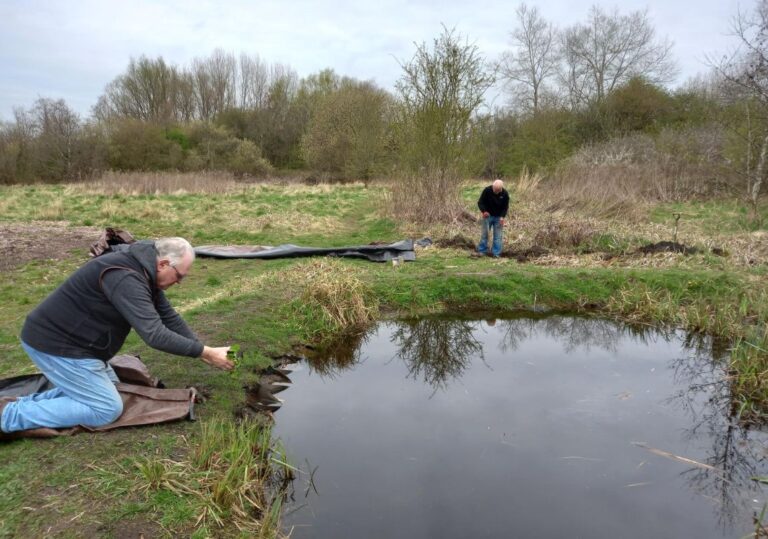
More recently, the group secured funding through Pride in Place to create a new pond complete with a dipping platform, providing valuable habitat for wildlife while creating new opportunities for education and engagement with nature. This project forms part of a wider ambition to introduce more wetland habitats across the site.
How Groundwork Is Providing Support
While the Friends Group brings a wealth of passion, commitment and local knowledge, some of the more complex conservation challenges require additional expertise and resources. Through the Species Survival Fund programme, Groundwork’s Urban Rangers and City of Trees volunteers have supported the group with larger-scale woodland management activities that would otherwise be difficult to undertake.
The group’s ambition to create ponds and wetland habitats has also presented unique challenges. As parts of Sunny Bank Vale are situated on former landfill land, extensive excavation is not always possible. Working closely with volunteers, Groundwork identified suitable locations where shallow trenches could be created safely and together the partnership delivered a small wetland habitat during summer 2025.
Groundwork is also providing technical advice and guidance as plans progress for the new Pride in Place-funded pond, helping ensure the project delivers the greatest possible benefits for both people and wildlife.
To further strengthen local conservation skills, several members of the Friends Group have taken part in Green Skills training sessions at Clayton Vale. These opportunities have enabled volunteers to build their knowledge of habitat management and species conservation, giving them greater confidence to lead environmental improvements and continue enhancing Sunny Bank Vale for years to come.
Clayton Vale
Over several years, Groundwork has been building relationships with local people in and around Clayton Vale, one of East Manchester’s most valuable green spaces. The site benefits from an active community centre and the much-loved Tuck Shop café but the core volunteer team has remained relatively small, with a dedicated handful of residents helping to keep the café and wider community activities running.
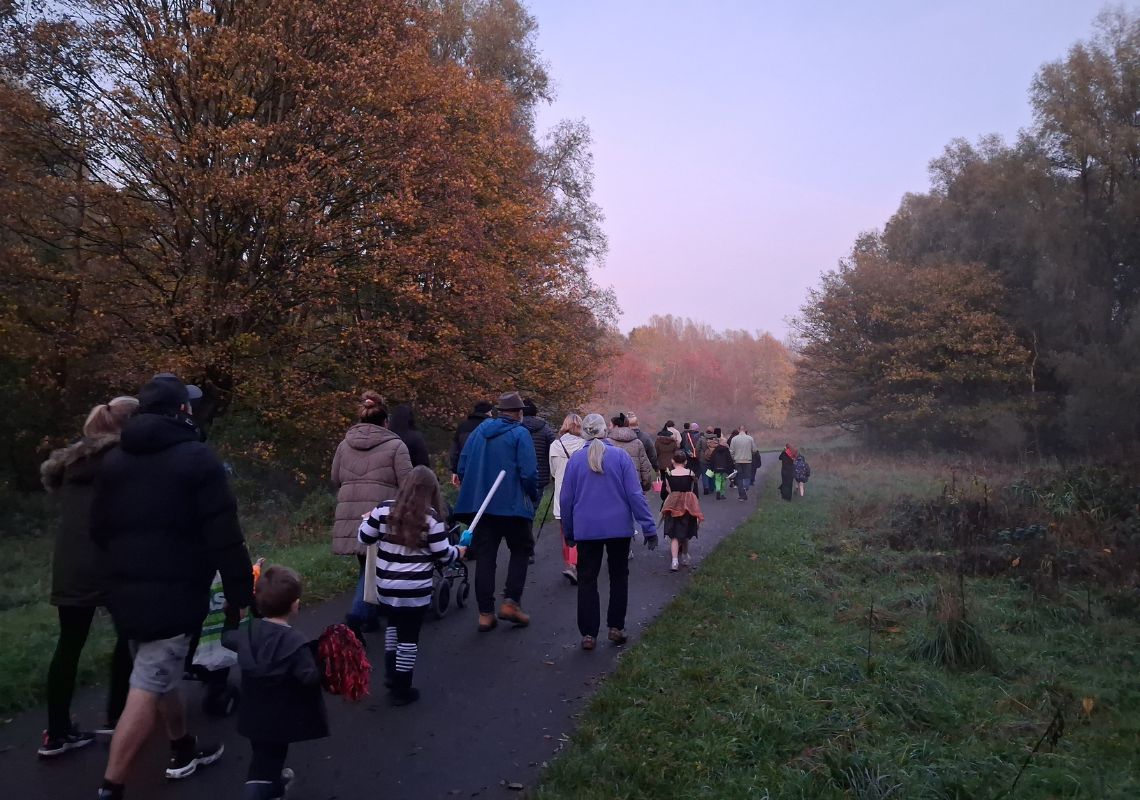
Recognising the potential of both the site and the local community, as part of the Species Survival project Groundwork began delivering a programme of community events designed to encourage more people to visit and enjoy Clayton Vale. Alongside these activities, practical conservation volunteer days gave local residents the chance to get hands-on with nature and learn more about the site’s wildlife and habitats.
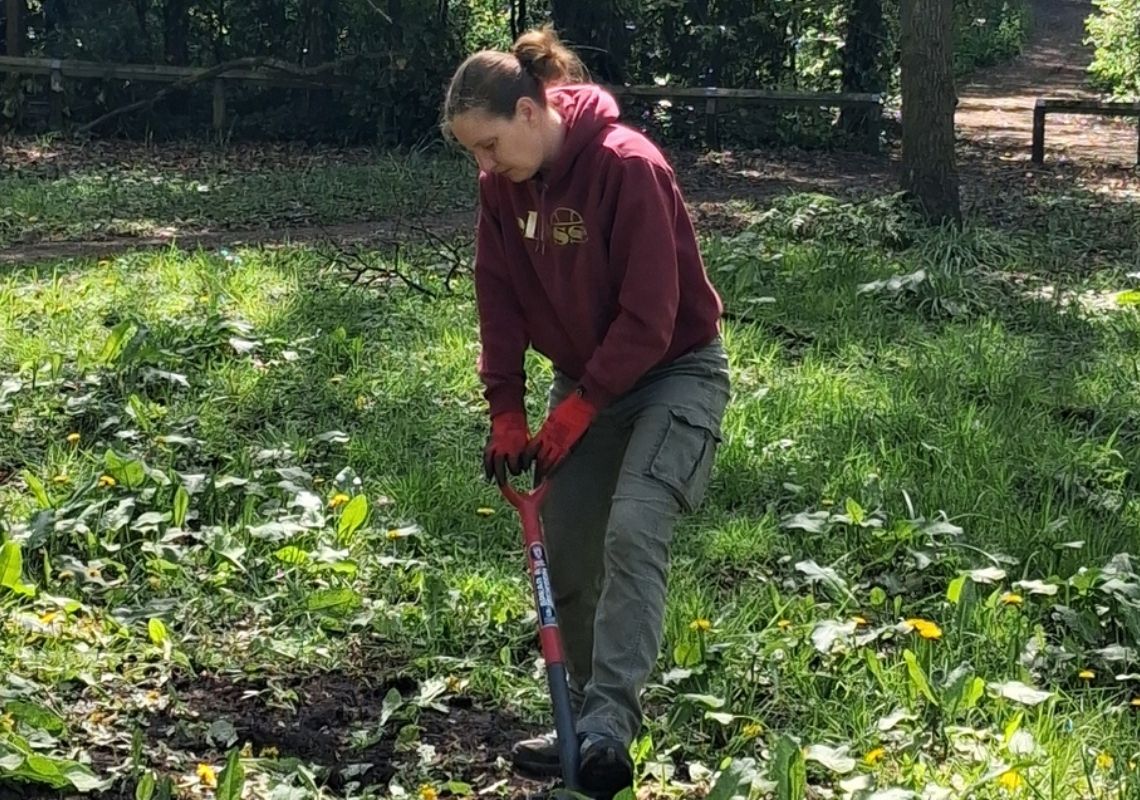
These events proved to be an important way of identifying people who were interested in becoming more regularly involved. Many participants were subsequently invited to Green Skills training sessions, helping them develop new knowledge, gain confidence and explore opportunities to play a more active role in caring for the Vale.
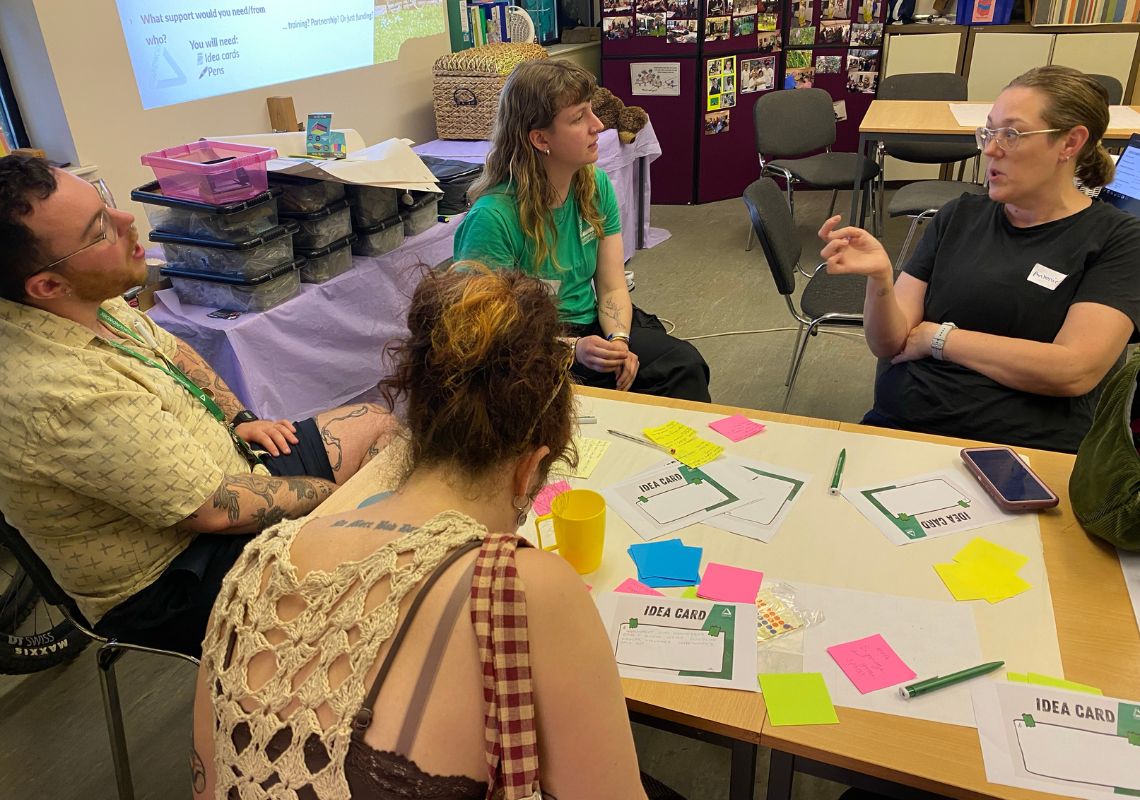
In July 2026, Groundwork hosted a Pride in Place consultation, bringing together residents with a passion for the future of Clayton Vale. The consultation revealed a strong shared ambition for the area, with ideas ranging from enhancing nature and biodiversity to creating better facilities for children and young people, alongside developing the Tuck Shop as a thriving community hub.
Perhaps most importantly, several attendees expressed an interest in becoming regular volunteers and helping to turn these ideas into reality. This has created an exciting opportunity to build a larger and more diverse volunteer network, bringing together long-standing supporters with a new generation of local champions.
Groundwork’s Community Lead, Fran Sullivan, is now working with both existing and prospective volunteers to develop a shared vision for Clayton Vale’s future. By helping local people shape priorities and take an active role in delivery, Groundwork is ensuring that investment opportunities such as Pride in Place are driven by community aspirations and create lasting benefits for the people and places that call Clayton Vale home.
Stories from Clayton Vale
Through volunteering at Clayton Vale, Lorraine developed new skills, formed meaningful relationships and became a passionate advocate for the green spaces she helps care for.
“It’s been wonderful to contribute to the future of a place that means so much to me”
What else have we done?
Potential Investment Projects
Women in the Wild
A bespoke skills programme specifically designed to tackle economic inactivity among women – a peer empowerment, outdoor learning
environment that unlocks untapped talent and creates a direct pipeline to Manchester’s growing green economy
The Guardian Network and Community Champions
Scaling the successful River Guardians model into a valley-wide workforce of skilled environmental stewards, trained in habitat maintenance, invasive species management, water quality monitoring and river restoration techniques through a high-impact practical green skills academy. Using mobile technology and local knowledge, these Guardians become the ‘eyes, ears, and hands’ of the Medlock – monitoring conditions, reporting issues, and actively restoring the riverbank. This creates a hyper-local, expert volunteer base that ensures the valley’s health is sustained by the people who know it best.
Young roots in the Medlock Valley
By engaging young people directly within their local landscape, detached youth teams are transforming the Medlock Valley into a place
of leadership, social action, and green career development. Dedicated coaching and hands-on environmental stewardship – from habitat
restoration to citizen science – gives participants the chance to gain agency and provides them with the green skills needed for our future
climate resilience. This integrated approach provides purposeful, paid pathways into environmental roles, ensuring that nature recovery and
youth opportunity succeed side-by-side.