
How to Host a Successful Community Plastic-Free Event: Ideas, Tips and Inspiration
At Groundwork London, we run a lot of events, from small community gardening days to big volunteering activities and everything in between. This Plastic Free July, we wanted to take a moment to talk about how we can make these events more sustainable and low waste.
So, we asked some of our colleagues who are out on the ground delivering events week in, week out.
What small (or big) changes help make events more environmentally friendly, especially when it comes to cutting out plastic?
Here’s what they had to say:
Ditching Single-Use
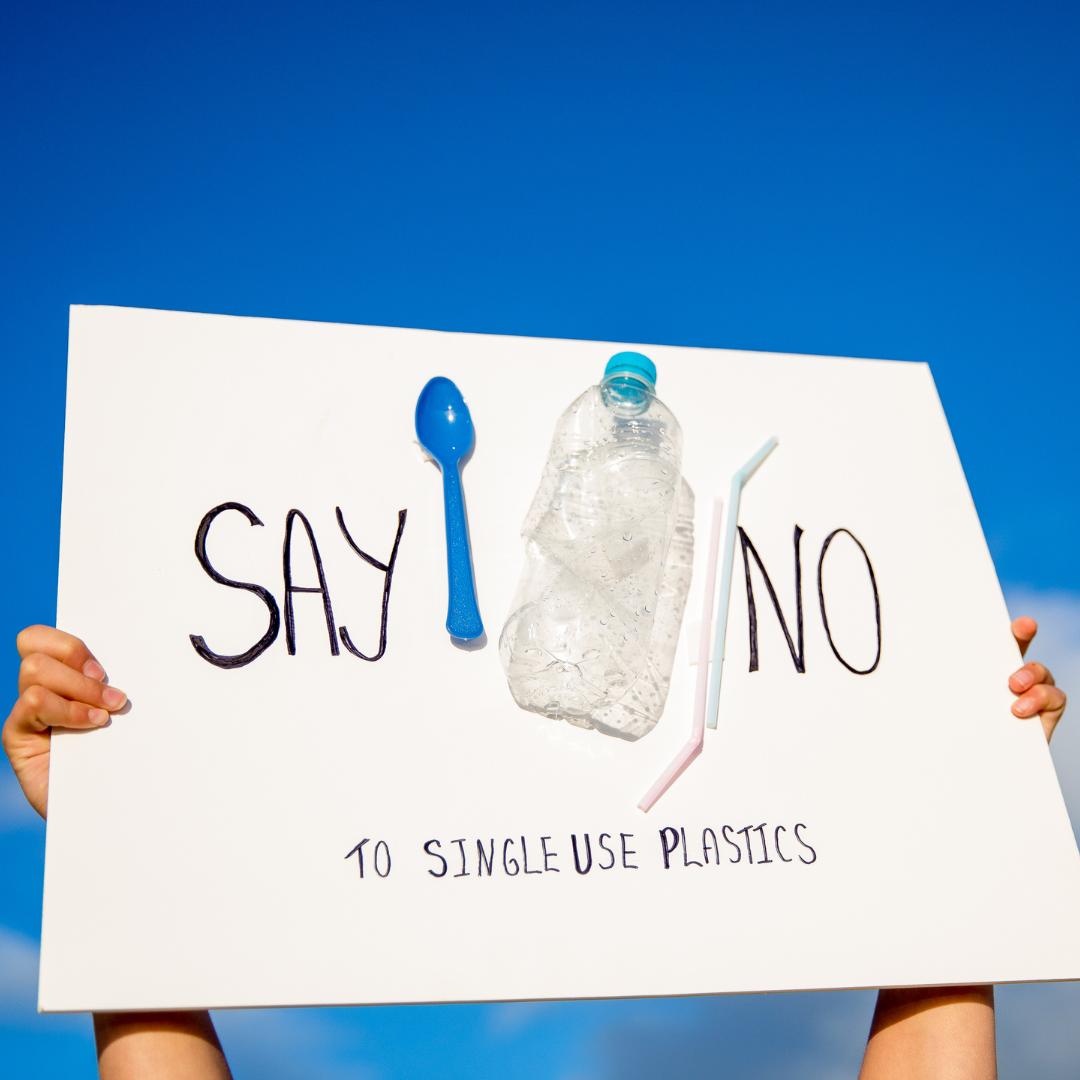
Clare, Community Programme Operations Manager at Groundwork London, who supports a range of outdoor community events, says:
“No single-use plastics or disposables, only reusable or compostable. That’s the rule we go by, and it makes a big difference.”
Instead of plastic plates and cups, we use reusables or certified compostables. For food storage and catering, we skip the clingfilm and go for foil, baking paper, or lidded containers. Signage is reusable too, think chalkboards or plastic sleeves instead of laminated paper. And we’ve said goodbye to balloons and plastic tablecloths. We go for natural, wipeable, or recycled alternatives instead.
Encouraging “Bring Your Own”
Martin, Grants Manager at Groundwork London, helps organise local runs with his running club and told us:
“Even at the end of a hot race, people bring their own drink bottles, it’s easier than you think to encourage.”
We’ve taken that on board. At our events, we encourage people to bring their own reusable water bottles, bags for any giveaways, and even their own mugs when possible. We also make sure there’s a refill station available and clearly signposted.
Reuse, Upcycle and Get Creative
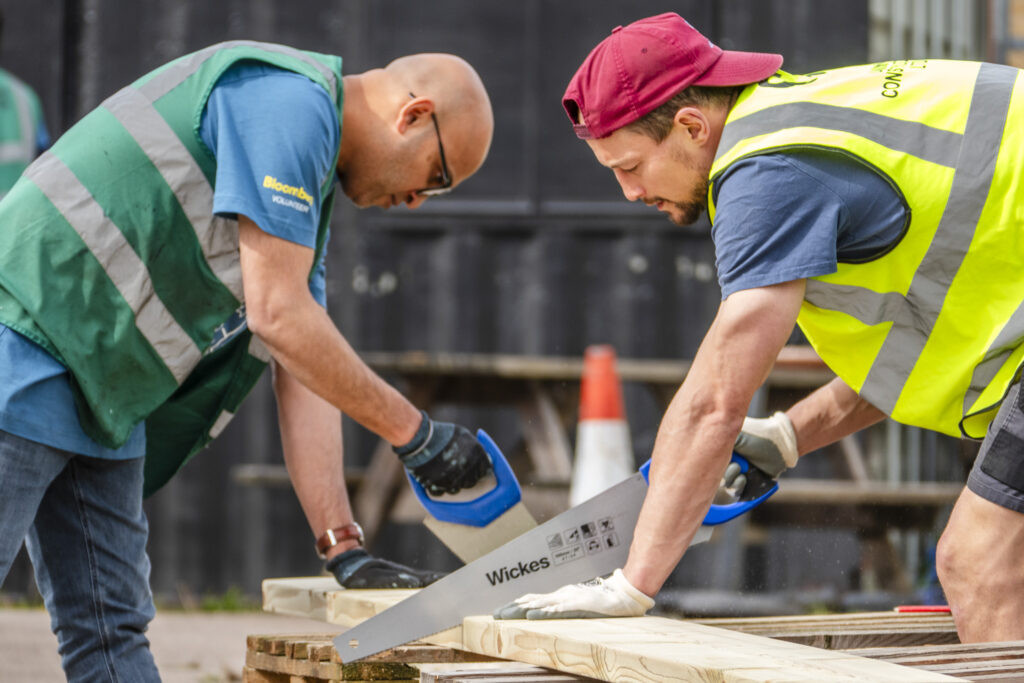
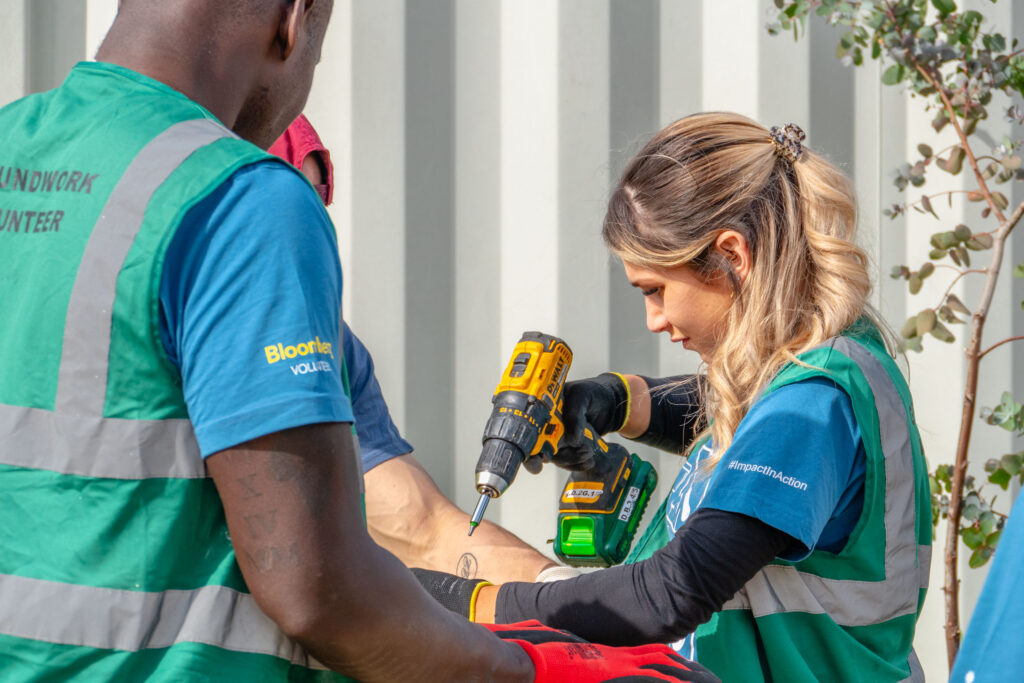
Ben, Corporate Partnerships Project Manager at Groundwork London, who supports our corporate volunteering events, shared how a few key practices really help:
Upcycling materials: “We reuse timber, compost, and tools across events, it saves money, avoids waste, and sparks creativity.”
Storage and planning: “Having space to store donated or salvaged materials means we’re more flexible and can avoid buying new stuff last minute.”
Working with what’s on-site: “We adapt to each location and make use of what’s already available locally.”
Ben also pointed out how expectations are shifting across the board:
“Corporate partners are facing more pressure around ESG and want to support meaningful, measurable projects. That’s driving real momentum around things like circular economy practices, reducing plastic, and supporting biodiversity.”
This shift is helping us move beyond one-off events, toward longer-term partnerships that focus on real systems change.
Small Things Matter
Clare gave us a long (and very practical!) list of other ways we can reduce plastic and improve sustainability at events:
- No laminating, use reusable signage
- Natural string instead of cable ties (or reusable ones)
- Clearly labelled recycling and food waste bins
- Compare packaging when buying, go low or zero waste
- No plastic freebies unless they’re recycled and labelled sustainably
- Gardening? Use biodegradable pots, wooden labels, and metal watering cans
We also ask that anyone we subcontract to shares our green event values and commits to sustainable delivery too.
Most importantly, we communicate our efforts. We tell people what we’re doing and why, and encourage them to join in. Whether it’s bringing a water bottle or helping sort the recycling, small actions add up.
As Clare says,
“Show good practice. Encourage, encourage, encourage.”
Plastic-Free Is Possible
Plastic Free July is a brilliant time to pause and think about how we can do things better. Hosting a low-waste, plastic-free event might not seem easy at first, but as our team has shown, with a bit of planning and creativity, it’s totally achievable.
Thanks to our colleagues for sharing their tips, and for all the amazing work you do on the ground every day.
If you’re planning an event and want to go plastic-free, we hope these insights help inspire you.