
Investment-Ready Natural Flood Management in the Irwell Catchment
Through our NEIRF project (Natural Environment Investment Readiness Fund), we developed a scalable, investment-ready model to deliver Natural Flood Management (NFM) across farmland in the Upper Irwell catchment.
This area has a long history of flooding and water quality challenges linked to agriculture, making it a priority for intervention. NFM measures can help address these issues while supporting climate resilience, nature recovery, and the protection of downstream communities.
Project Outcomes
We combined research, stakeholder engagement, feasibility studies, and data analysis to build a strong evidence base for future delivery.
- Nature-based solutions: We identified opportunities across farmland and co-designed NFM measures that reduce flood risk, improve water quality, restore habitats, and increase biodiversity.
- Social impact: We worked with farmers, landowners, and delivery partners to build the skills and knowledge needed to implement NFM. This increased engagement in environmental stewardship and supported more resilient, connected communities.
- Economic benefits: Hydraulic modelling demonstrated the financial value of NFM by estimating avoided flood damage to residential and commercial properties.
- Innovation and nature finance: We developed investment opportunities by engaging funders, investors, and buyers. The project focused on attracting private investment alongside public funding, while generating insights to support scaling and replication.
Project Approach
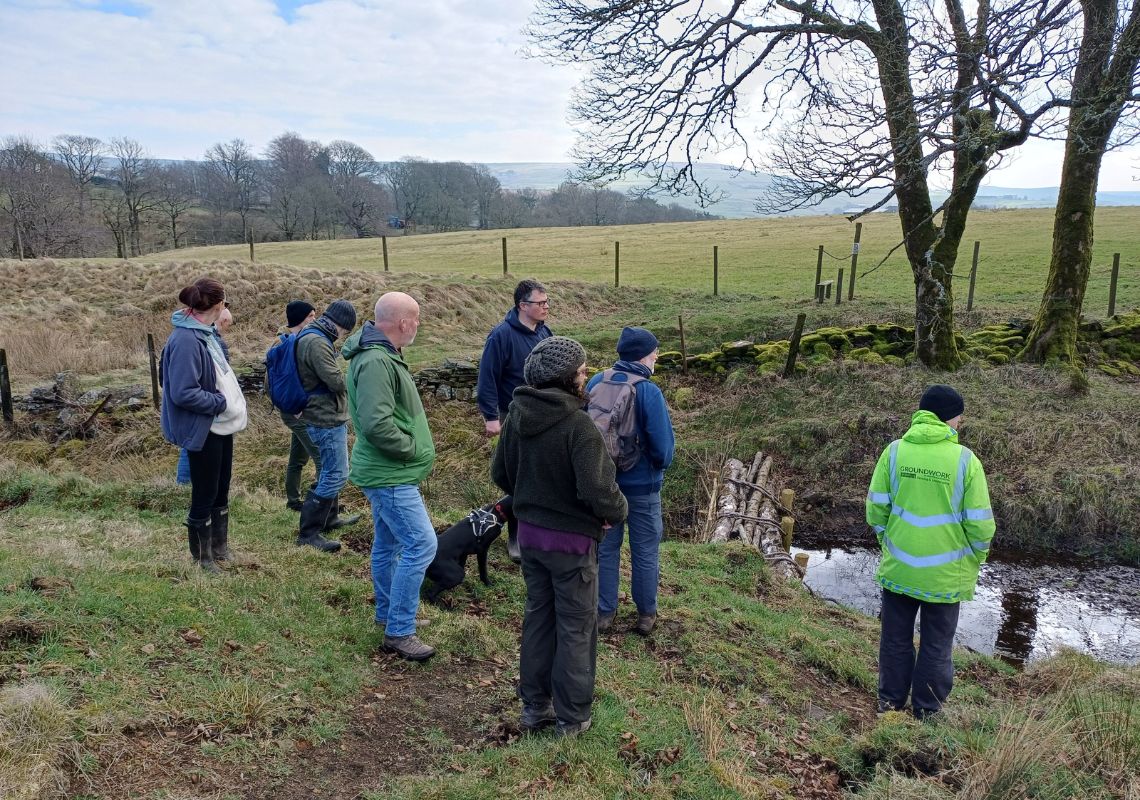
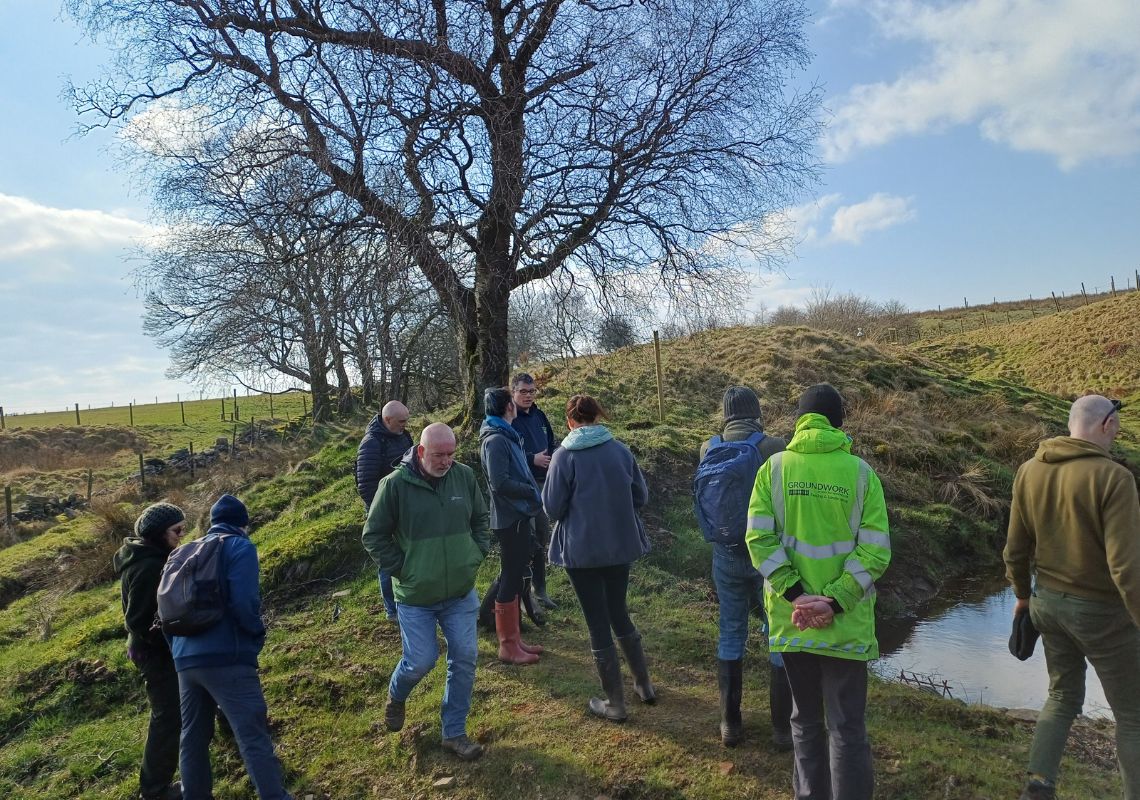
We began by assessing NFM opportunities across farmland in the Upper Irwell catchment. Feasibility studies were carried out on 14 farms, supported by farmer workshops and site visits from Groundwork’s farm advisors. A 10-year cost plan was then developed, outlining the resources required for implementation and long-term maintenance.
To understand potential impact, hydraulic modelling showed how individual and combined interventions could slow water flow, reduce runoff, and benefit communities downstream. This evidence ensures the model aligns with investor expectations and public-sector priorities.
Natural Flood Management Interventions
The project explored a range of NFM measures, from practical land management improvements to larger-scale interventions.
Mid-level interventions
These enhance natural processes without significantly changing land use. Examples include:
- Improving soil structure (e.g. soil slitting and reduced livestock pressure)
- Increasing vegetation through stronger hedgerows, scrub planting, and more diverse grasslands
These measures help slow water movement, stabilise soil, and support biodiversity.
High-level interventions
These deliver greater environmental benefits and operate at a larger scale. Examples include:
- Woodland planting to increase water interception, carbon storage, and habitat value
- Peatland restoration to improve water retention
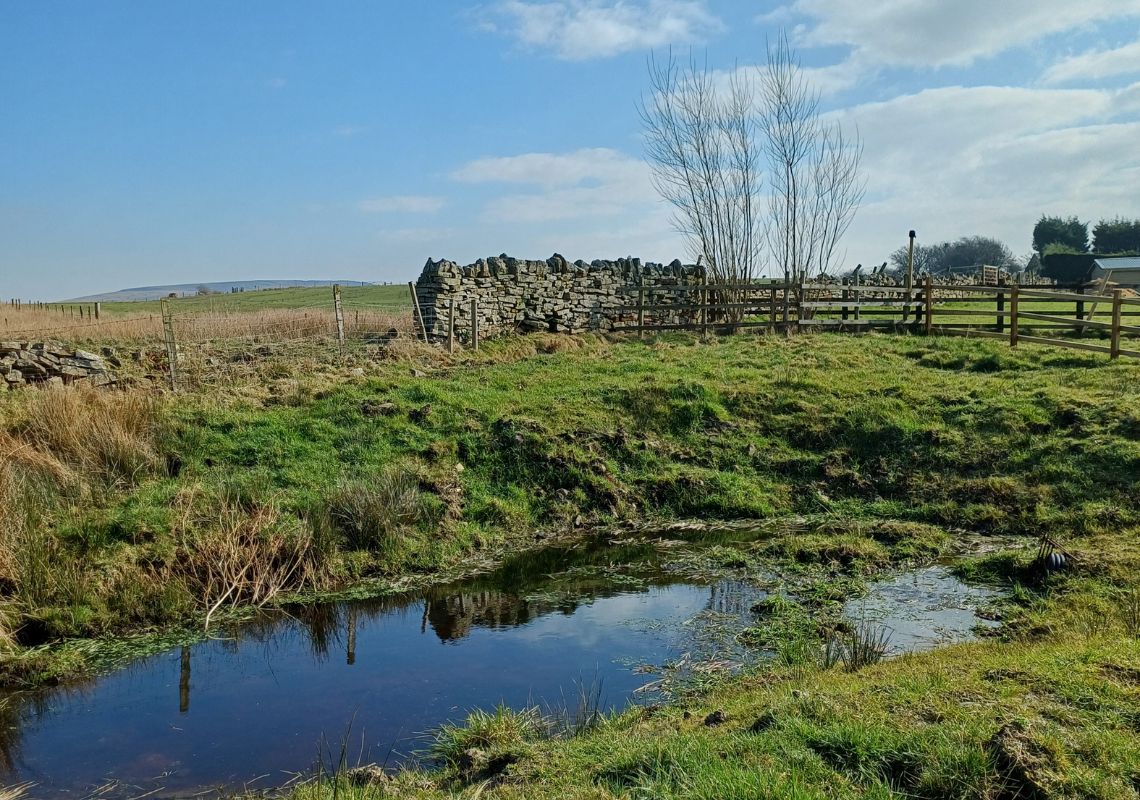
- Creating water storage features such as ponds, bunds, and leaky barriers
Together, these form a flexible toolkit that can be adapted to different farms across the catchment.
Next Steps
This project has laid the groundwork for future investment in NFM across the Upper Irwell catchment. By combining farmer engagement with robust data and modelling, we now have a clearer picture of where nature-based solutions can deliver the greatest impact.
The evidence generated will support long-term environmental improvements that:
- Strengthen flood resilience
- Enhance biodiversity
- Support a greener local economy
This work represents an important step towards a more climate-resilient and nature-positive future for the region.
The project was funded by Defra and delivered in partnership with the Environment Agency, Greater Manchester Combined Authority, United Utilities, The Rivers Trust, Rebalance Earth, and local authority and environmental NGO partners from the Irwell Catchment Partnership.