
Canal Improvements through the Medlock Valley Project
Project Overview
As part of the Medlock Valley Species Survival Project, led by Groundwork, the Canal & River Trust (CRT) has been working with volunteers and contractors to improve biodiversity along the Ashton and Rochdale canals. The canal improvements focused on invasive species control, scrub management, and grassland enhancement to support native wildlife and restore natural habitats.
Invasive Species Management
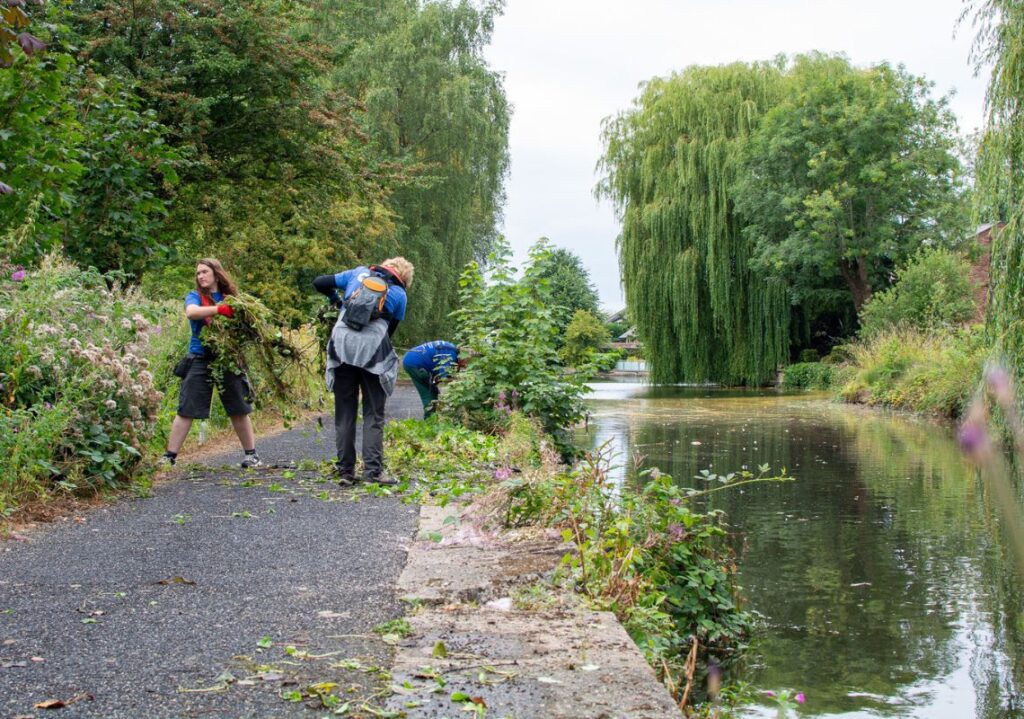
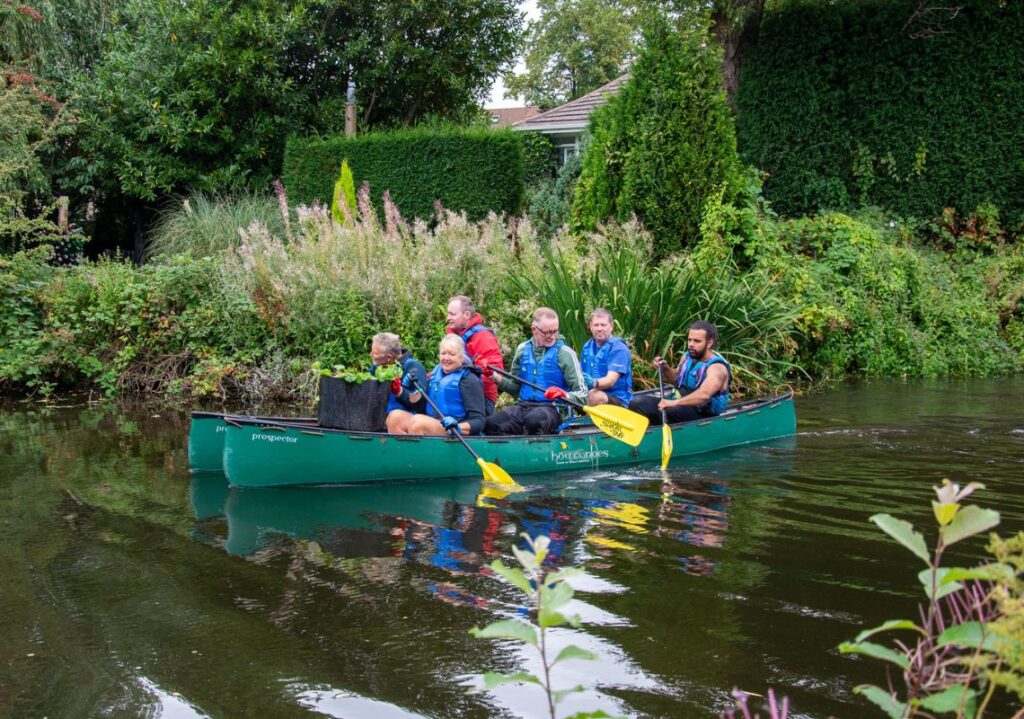
Volunteers helped remove invasive floating pennywort, achieving a 99% reduction on both canals. Japanese Knotweed was treated in two sessions, covering approximately 1,343 m², although some regrowth remains to be monitored. Himalayan Balsam was eradicated across around 10 m² on the Ashton Canal.
Thanks to these efforts, native plants have a greater chance to flourish, with the remaining pennywort expected to die off naturally with frost.
Scrub Management
Scrub along the Ashton Canal was cleared through a contractor-led initiative, with support from volunteers, with the improve area covering around 1,270 m² of the canal.
This management has already produced visible benefits, including the appearance of daffodils that were absent in previous years. The appearance of native species gives a boost to local biodiversity.
Grassland Enhancement
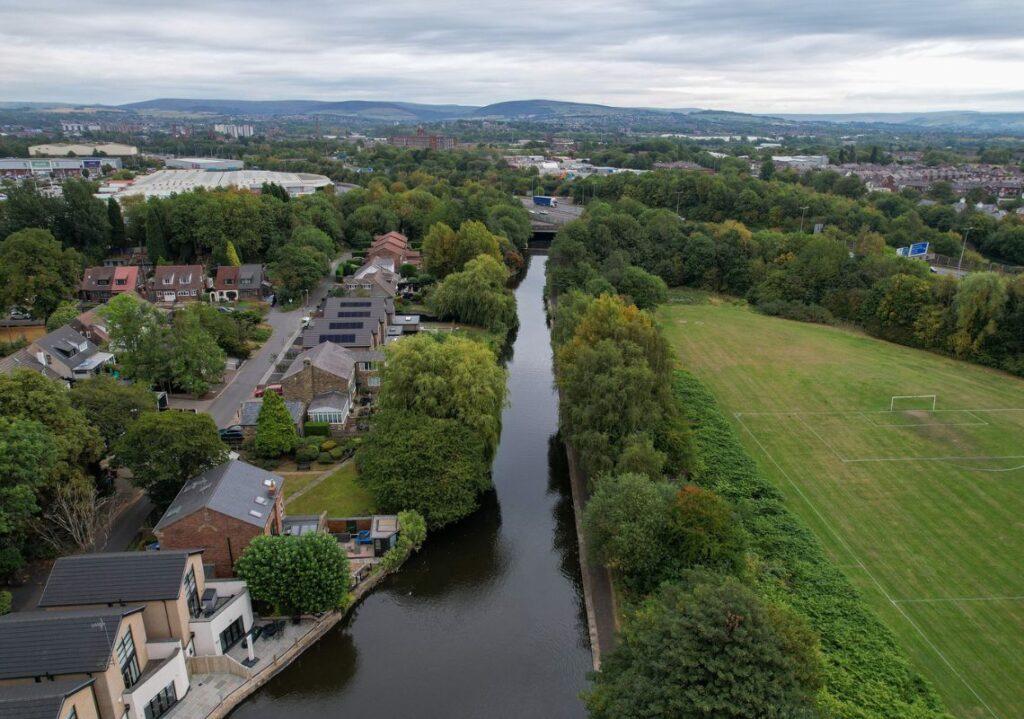
Grassland along both canals was improved through two “cut and collect” operations by external contractors. This work helps to create the right conditions for a wider variety of plants and animals to thrive. The Canal & River Trust also overseeded an area of approximately 9,539 m², creating conditions for richer plant diversity.
Spring and summer surveys later in the year will reveal the extent of biodiversity gains from these interventions.
School-Led Tree and Hedgerow Planting
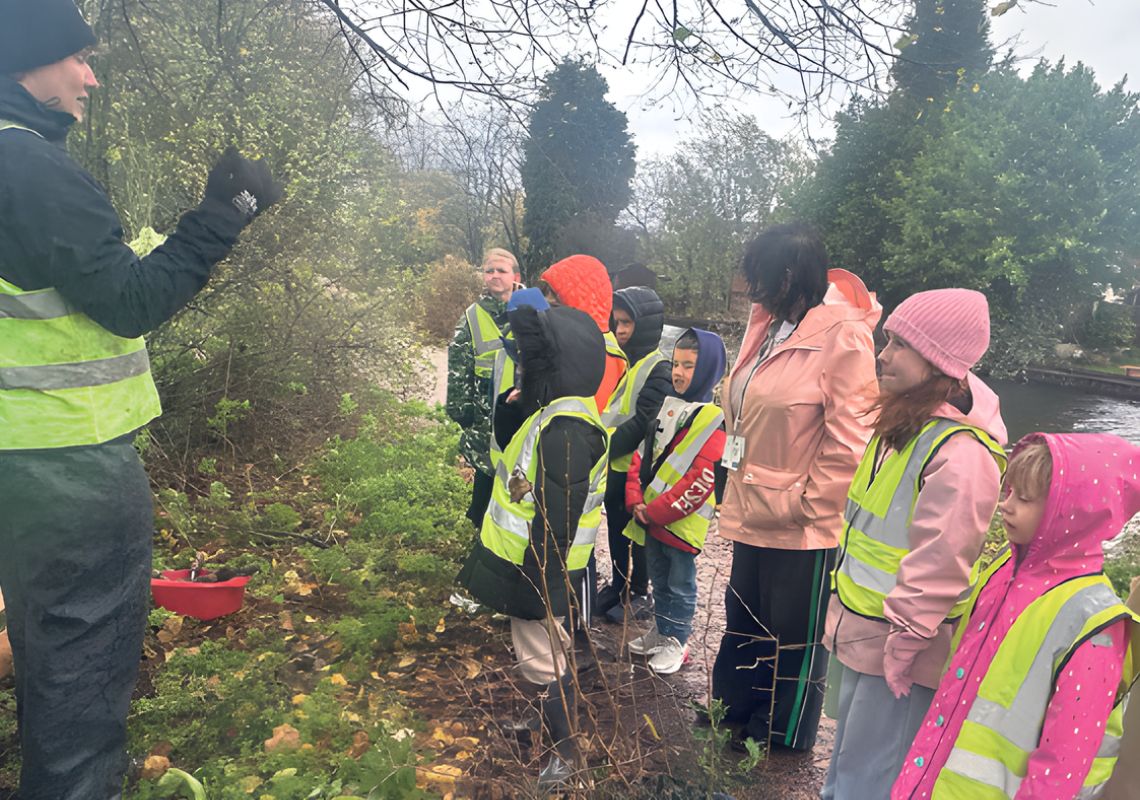
The Canal & River Trust worked with pupils from Fairfield Primary School, an established eco school in Tameside, to plant a new hedgerow beside the Ashton Canal, helping to create vital habitat for local wildlife. Despite challenging weather, the children enthusiastically planted around 400 trees and shrubs, including holly, hazel and dogwood, learning firsthand how their actions can support birds, insects and the wider environment.
The project reflected the school’s strong commitment to environmental stewardship, with pupils already involved in growing food, recycling and caring for their local canal. The trees were provided thanks to funding from the Medlock Valley Project and the Woodland Trust, helping to ensure this stretch of canal becomes a greener, more wildlife-friendly space for years to come.
Impact and Next Steps
The combined work on invasive species control, scrub management, and grassland enhancement is creating healthier canal habitats, supporting both plant and animal species. Volunteers remain key to ongoing monitoring and maintenance, ensuring the canals continue to flourish as valuable wildlife corridors through the Medlock Valley.
Volunteer stories
“I wanted to be outdoors and giving something back to my local community” – Nick’s Story

“I’ve had the opportunity to learn about lots of new things” – Carole’s Story