
Reclaiming Overgrown Alleyways in Tameside
Across Tameside, neglected alleyways are being transformed into vibrant, shared spaces that bring neighbours together. Through community-led action and support from our team, residents have reimagined these overlooked areas as places for growing food, playing, and connecting with one another.
Transforming Egerton Street
Background
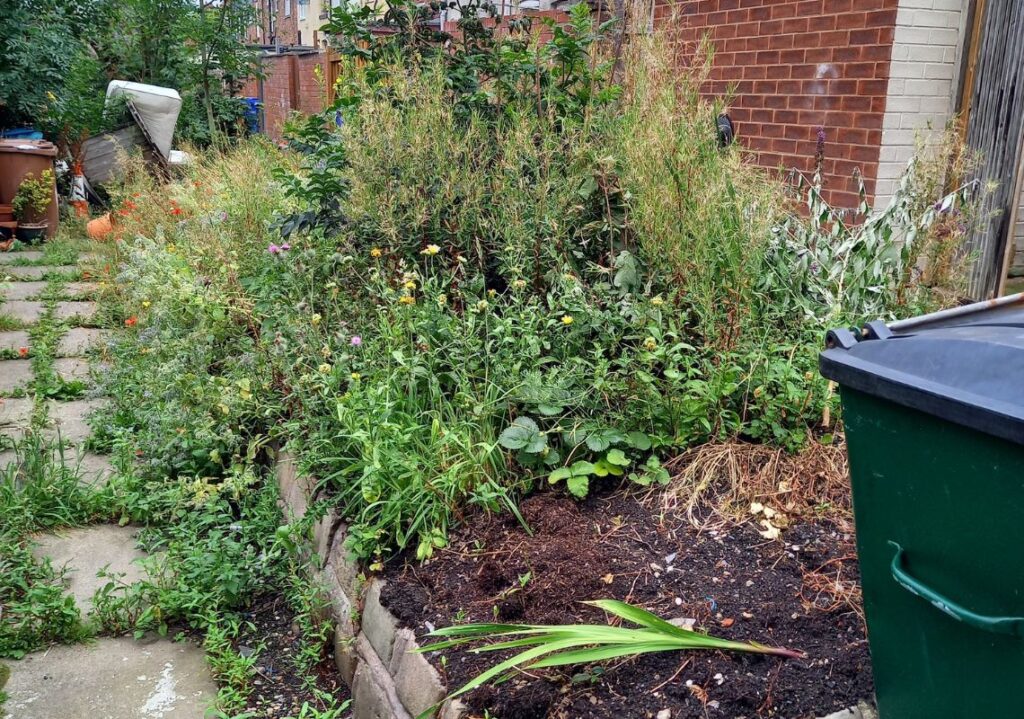
The alleyway between Egerton Street and Raynham Street in Tameside had become overgrown with weeds, was prone to fly-tipping and had overall unusable for residents.
Groundwork teamed up with Tameside Borough Council under a shared vision of addressing these long-standing issues, undertaking practical improvements with local residents and developing a plan for the future.
Community Engagement
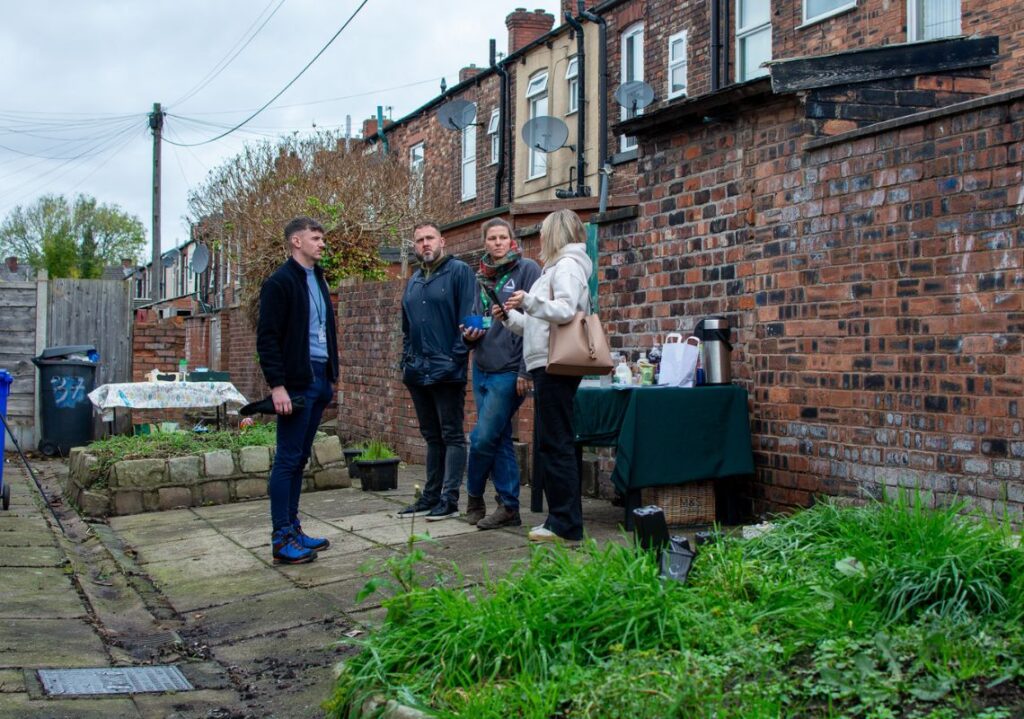
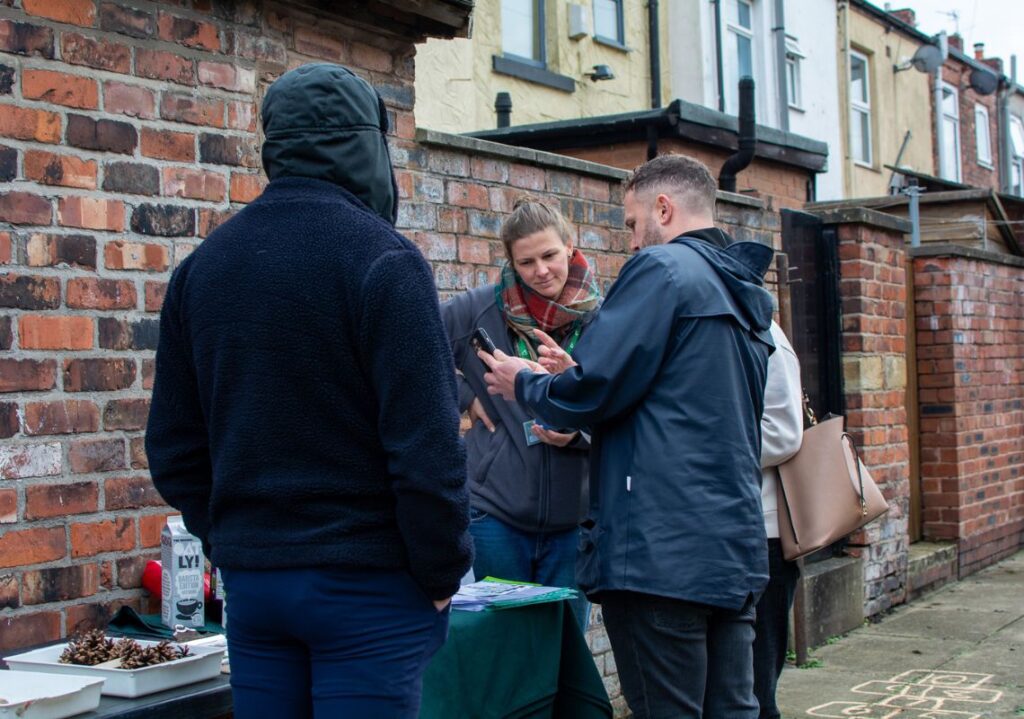
Groundwork began engaging with residents on Edgerton Street and Raynham Street September 2025, with conversations taking place at different times of day in order to reach as many people as possible. Alongside informal discussions and community event, a short survey was shared to capture residents’ views on the current condition of the alleyway and what changes they would like to see.
Community Feedback
There were 17 responses to the survey, with residents largely requesting improvements around cleanliness, accessibility, safety and better use of the space.
Feedback consistently highlighted practical challenges. Broken paving and fly-tipping were making it difficult to move wheelie bins in and out of the alley, particularly through the gates and the space regularly pooled water due to blocked drains. These issues affected day-to-day routines and contributed to frustration among residents.
It’s really frustrating that I can’t even take my bins out
Transforming the alleyway
Following the consultation, a series of improvements were delivered by the Groundwork team and eight regular resident volunteers to address the issues raised.
Clearance and waste removal
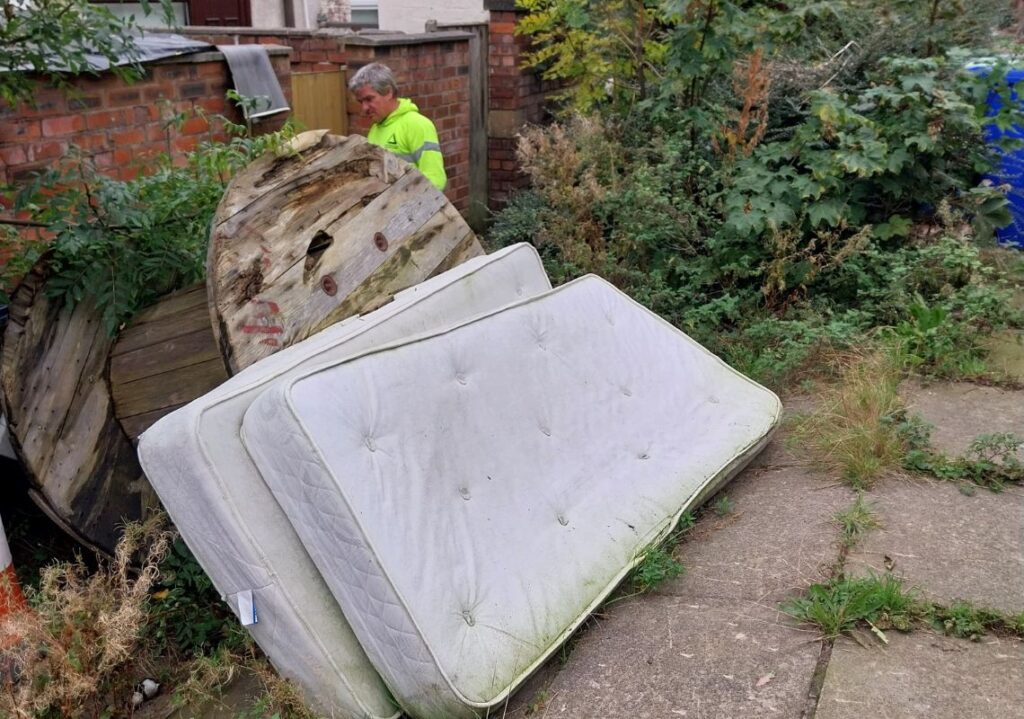
A major clean-up took place, with 3 skip loads of rubbish and two flatbeds of waste removed from the alleyway, tackling long-standing fly-tipping and making the space usable again.
Accessibility improvements
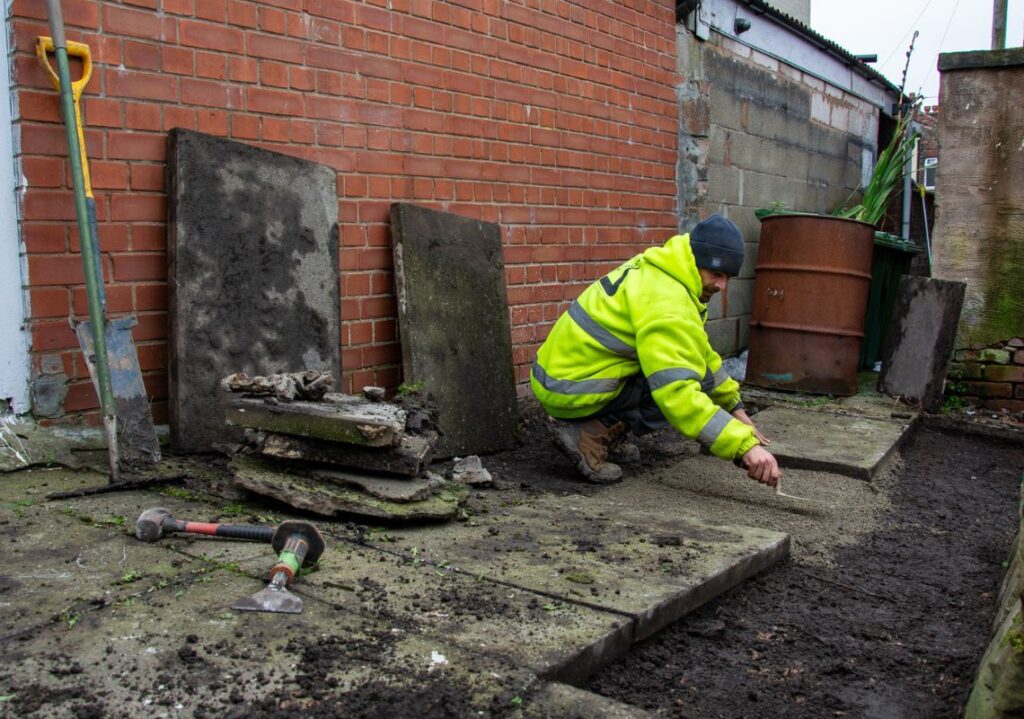
Broken steps and flags were repaired by our landscaping team, restoring safe and level access throughout the alleyway. These repairs mean residents no longer need to take bins through their houses and can now use the nearer gate easily and safely.
Planting and drainage
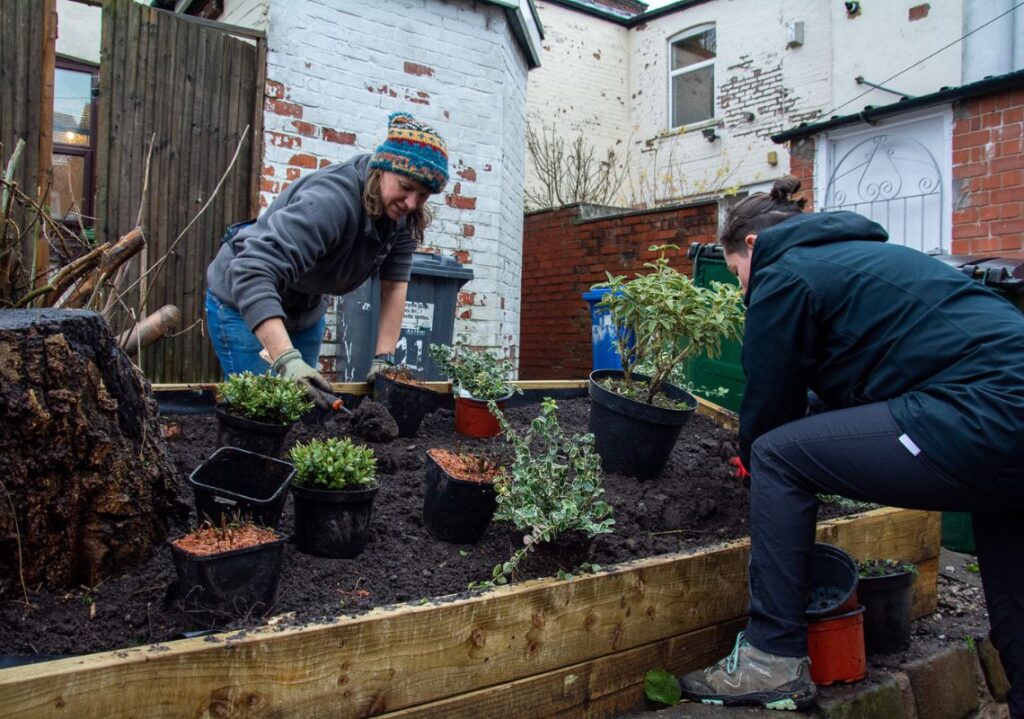
The five existing planters were cleared of overgrowth and raised to improve accessibility and prevent soil run-off, which had previously been clogging the drains.
Low ground cover plants were chosen and planted in response to resident requests to keep the alley feeling open with clear sight lines that help enhance safety too. The plants chose are also relatively low maintenance, another suggestion from those engaged in the enhancement work.
Community shed
One resident suggested that a blocked passageway could be turned into a communal shed. This idea has become a reality, with a combination lock installed to allow for shared use.
Security and access
A new lock has been fitted to the alleyways end gate to ensure the alleyway is exclusive to those who live there.
Finishing touches
The paving flags were pressure washed by our landscaping team to help the space feel fresh and clean. A new notice board has been fitted for community notices and recycling information on display to help residents stay on top of recycling.
Community Celebrations
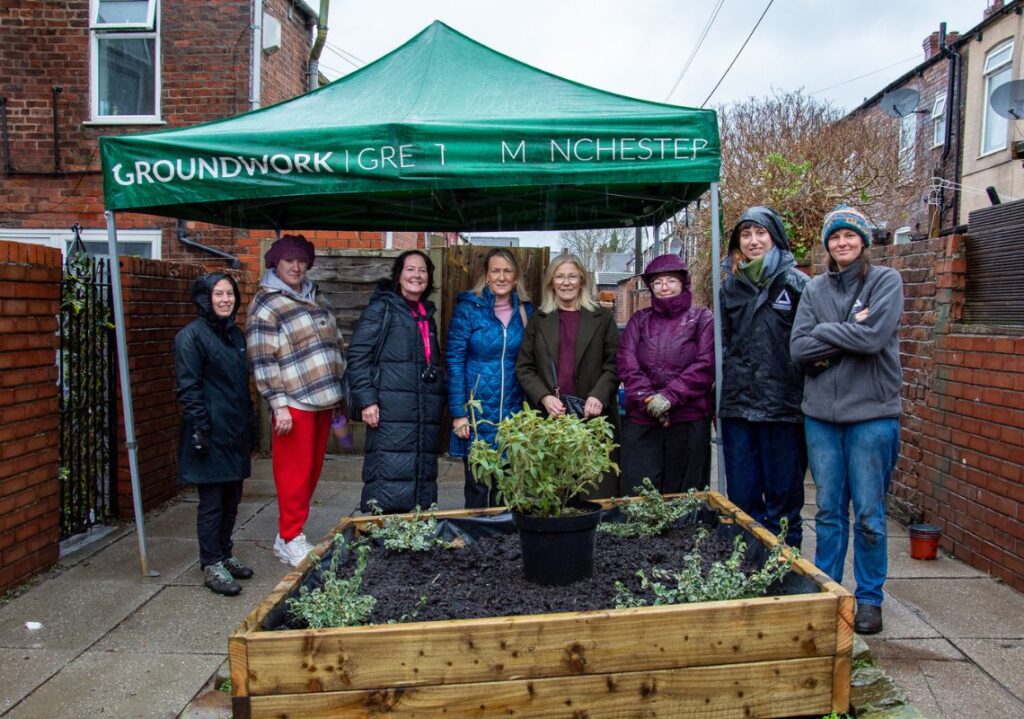
To mark the completion of the works, our team hosted a celebration in the finished space with the local residents who had been involved throughout.
Residents helped plant the last of the raised beds, and were joined by local elected members who were impressed by all the improvements the residents had delivered.
Community feedback
Residents shared very positive reflections on the changes made to the alleyway. One resident said, “I love the plants and all you have done for us,” highlighting appreciation for both the physical improvements and the care taken in delivering the project. Another commented, “We will miss you and the events,” reflecting the value placed on the presence of the team and the community activities that took place.“
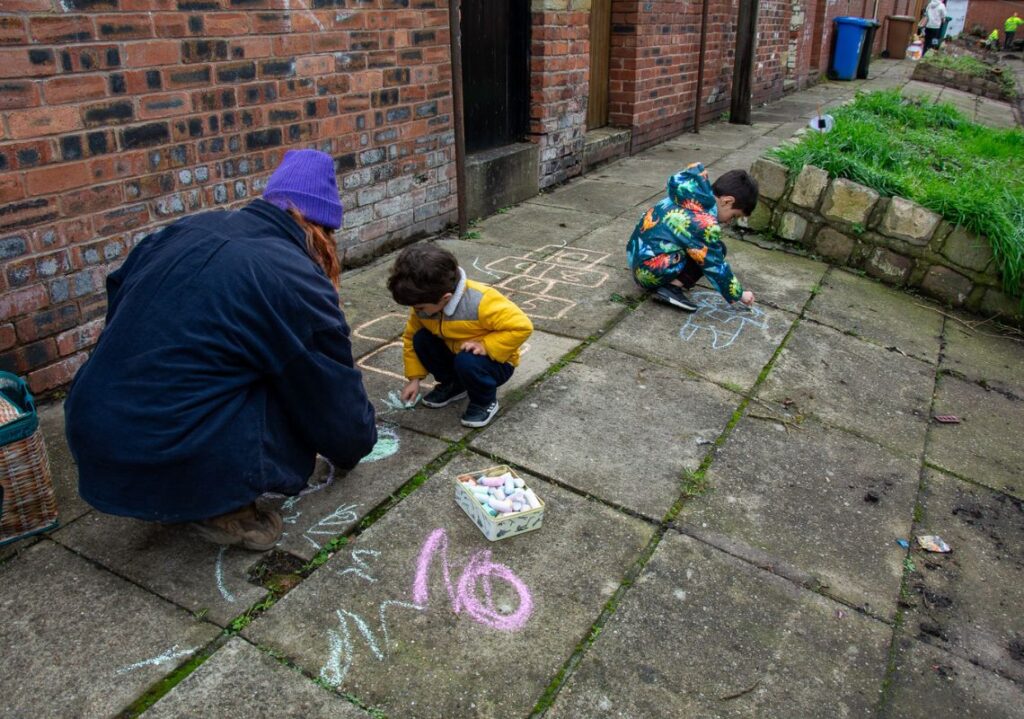
Several residents spoke about how the changes have improved safety and accessibility. One person explained that they had “never been able to see to the other end of the alley,” but that it now feels much more open and therefore safer. Another resident described how the broken flags previously meant they had to take their bins through the house, but since the repairs they can now use the nearer gate, making daily tasks much easier.
Transforming Syddall Street
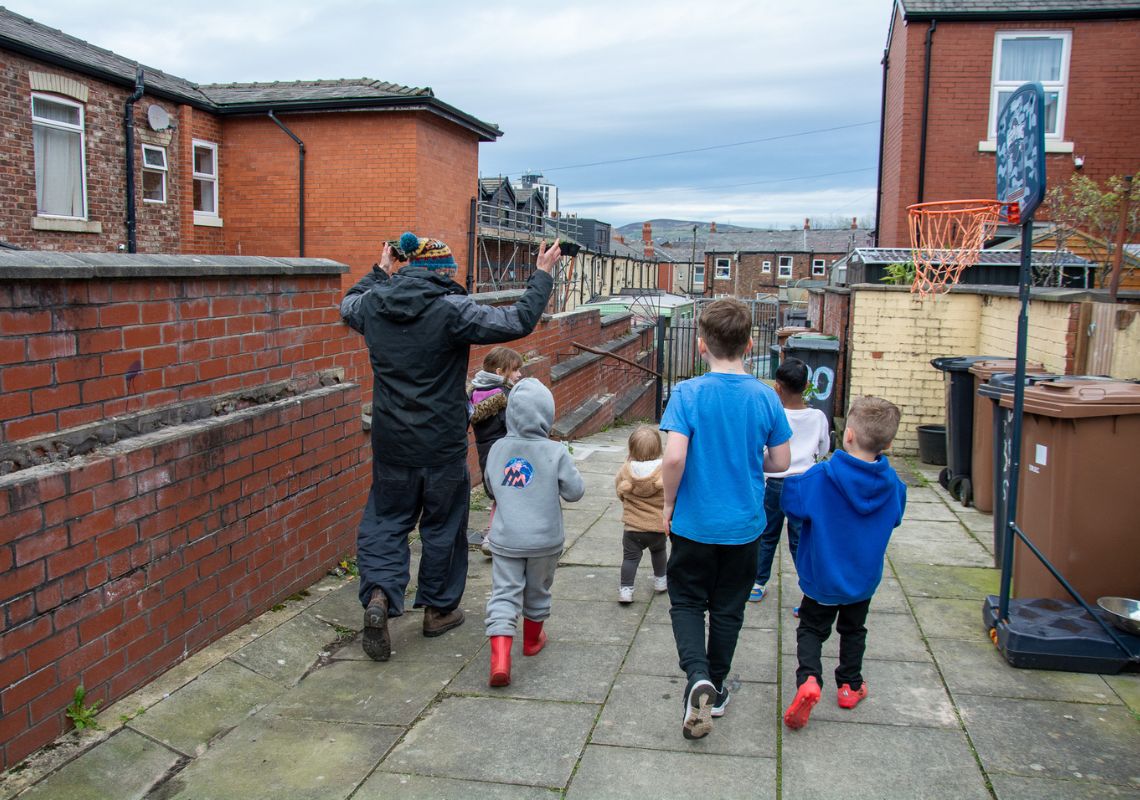
On Syddall Street in Tameside, three adjoining alleyways once told very different stories. One was used for children’s play, another for growing vegetables, while the third had become neglected, overgrown with weeds, scattered with rubbish, and affected by fly-tipping and uneven, broken paving.
One resident had spent a week clearing one of the alleys, only to see it fall back into disrepair. There was motivation and care in the community, but sustaining change alone proved difficult.
A shared vision for change
When the project began, residents were clear about what they wanted: a greener, more welcoming space where families could spend time together.
As local resident Chelsea explains:
“A big part of it was the growing side of it, the kids getting involved in growing their own fresh fruit and veg. They finally eat more of it when they’ve grown it themselves. It was about making it a nicer place for us all to be in the summers.”
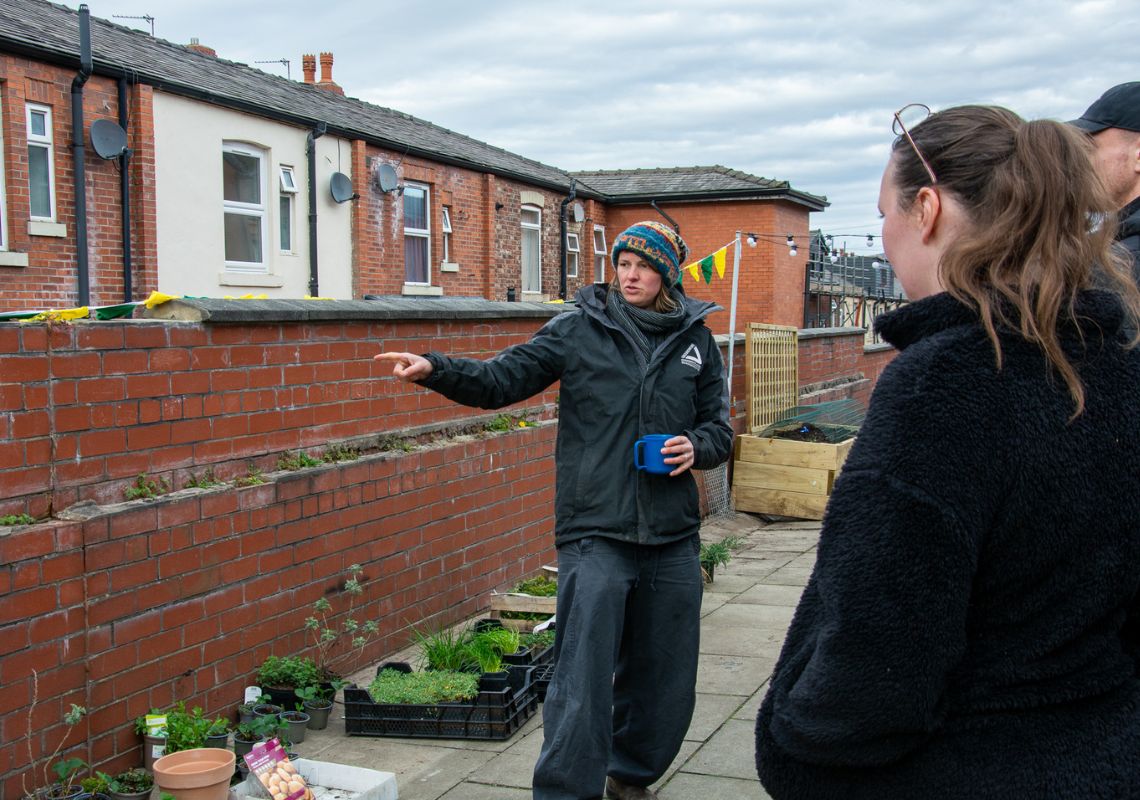
This vision shaped the transformation. Our teams worked alongside residents to unify the three alleyways into spaces that could be used for play, food growing, and practical needs like bin storage. Broken and uneven slabs were largely replaced, improving both safety and accessibility, with further plans to repair boundary walls in the future.
Bringing people together through activity
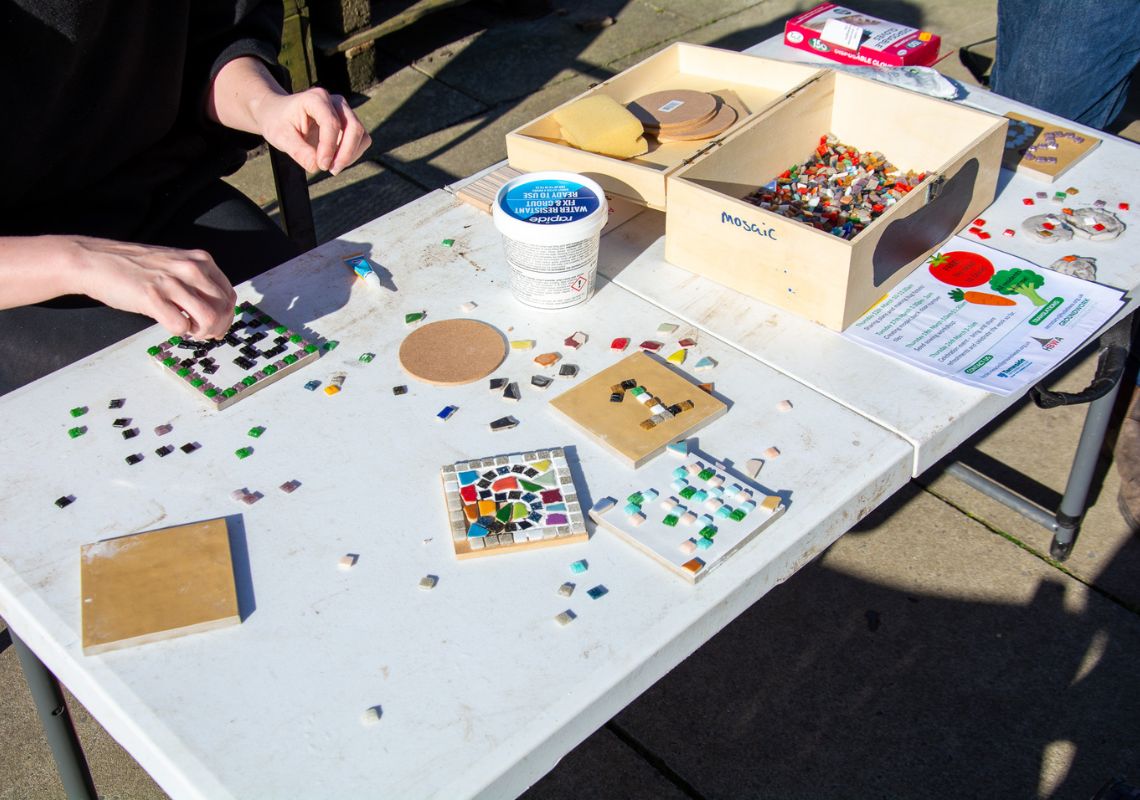
A wide range of hands-on activities helped residents take ownership of the space. These included:
- Creating mosaic-style tile door numbers
- Seed sowing and plant swaps
- Building bug hotels
- Painting a community mural
- A “bring a dish” celebration event
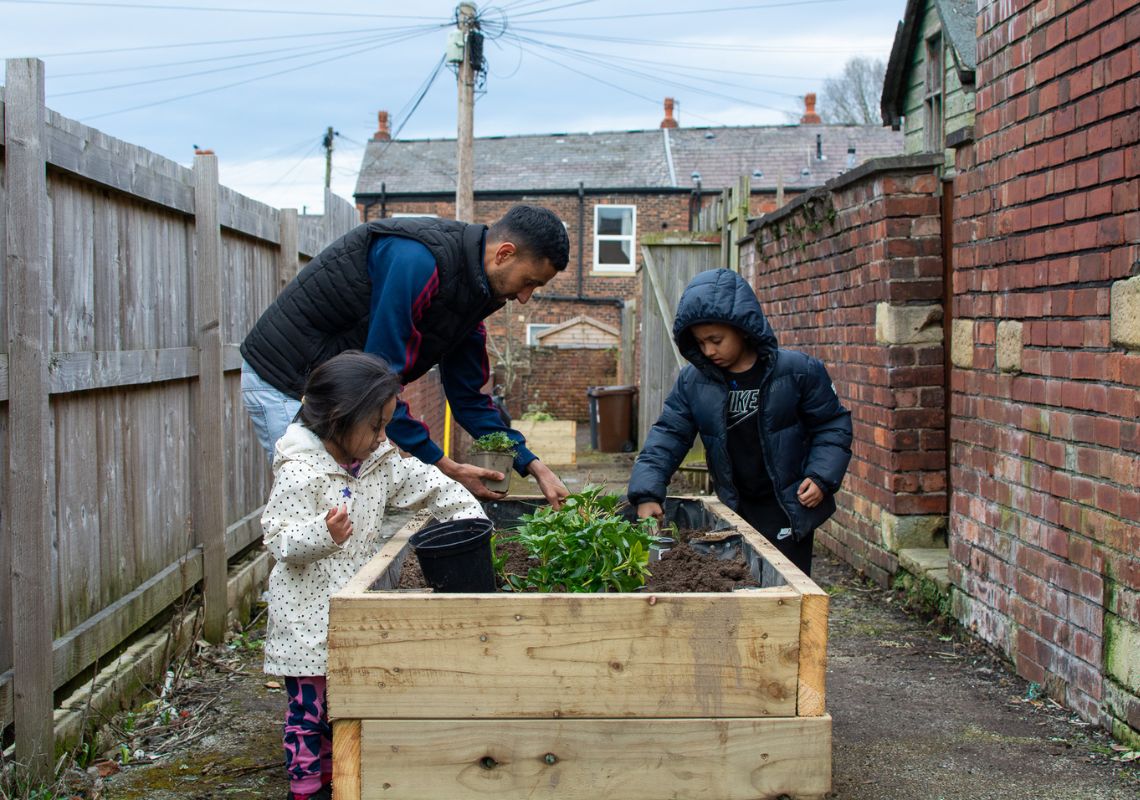
Nine new planters, including vertical growing options, were installed, alongside a water butt to support sustainable maintenance.
For Chelsea, these activities were just as important as the physical improvements:
“We did the planting days, sunflowers and seeds, painted the mural, and made bug hotels. It’s been a lot but we’ve loved it!”
A space with meaning
Now, the alleyways are not just functional, they reflect the people who use them. When asked about her favourite feature, Chelsea highlights the mural:
“I’ve got to go with the mural, just because it’s a bit of all of us, our little family that we’ve made up here. That’s something that really etched my heart.”
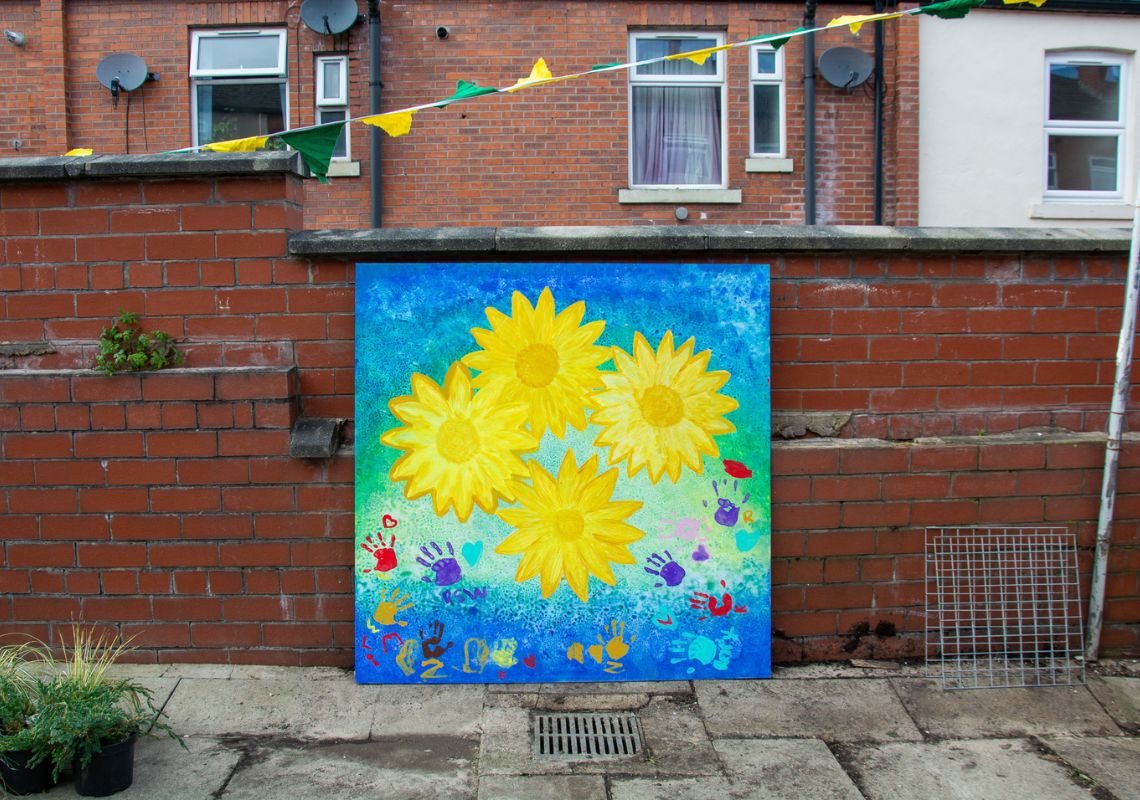
Residents are already planning to expand on this, creating more artwork with their children and turning the alley into a kind of outdoor gallery.
At the same time, the growing spaces continue to evolve:
“In a few months when stuff’s growing, my favourite part could change to the garden, we’ll see.”
Building a lasting community
The improvements have gone beyond physical change. Residents say the project has strengthened relationships and brought new people together.
“We’ve gotten more familiar with neighbours that we’d never really seen or spoken to before. Hopefully it brings more people over and gets more going on.”
Maintenance of the space is shared, with some residents taking on regular gardening while others join in during group activities. The addition of water butts and accessible planters helps make this sustainable long-term.
Above all, the alleyways are now places people want to spend time in, spaces that feel safe, welcoming, and full of life.
“I love the little community that we’ve made here.”
This project was made possible due to funding from Tameside Borough Council.