
Woven Together: Culture, Community and Climate
Recognising the volumes of scrap material donated through Groundwork’s Working Wardrobe initiative, Rag Revival was developed to explore how textile waste could connect communities while raising awareness of climate-related challenges.
During 2025/26, the project engaged communities in Ancoats, Manchester and Stockport town centre. Through weekly sessions, participants built creative skills, explored sustainability and shared stories rooted in culture, identity and place.
Each group celebrated their journey through the creation of a collaborative community quilt reflecting what mattered most to them.
By strengthening connections across cultures, generations and lived experiences, Rag Revival supports communities to build resilience and respond creatively to a changing climate.
ANCOATS, MANCHESTER
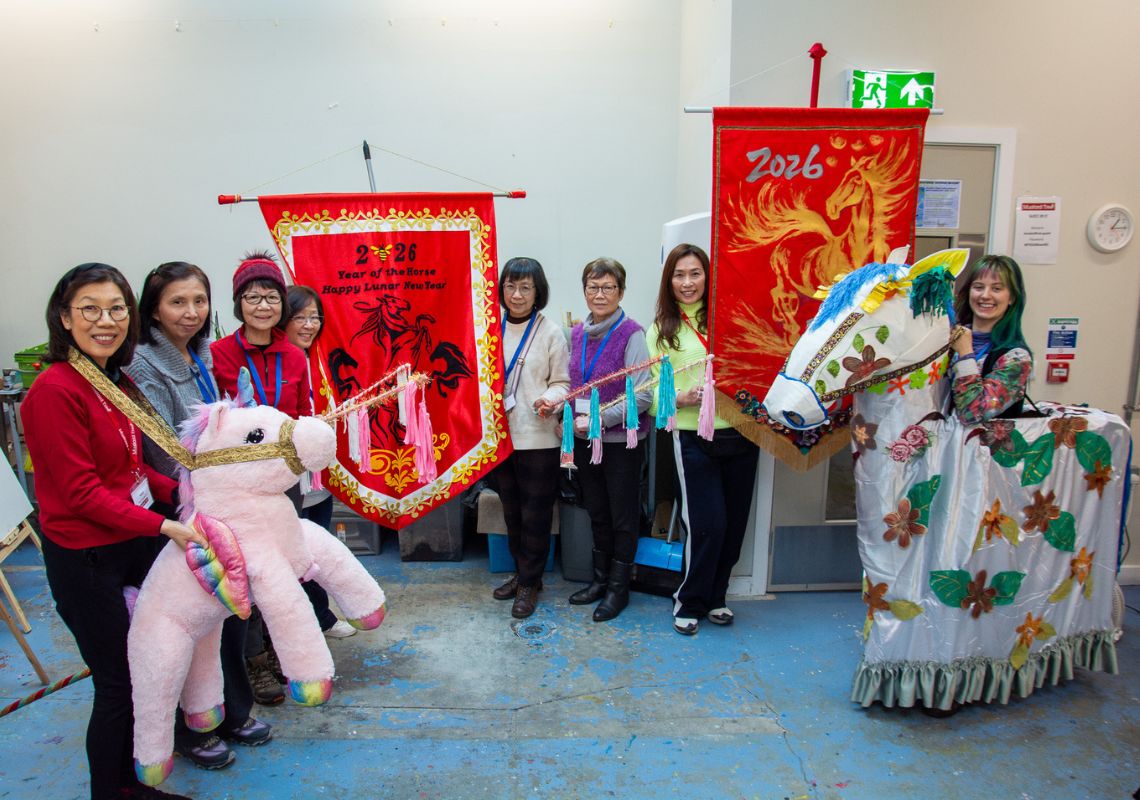
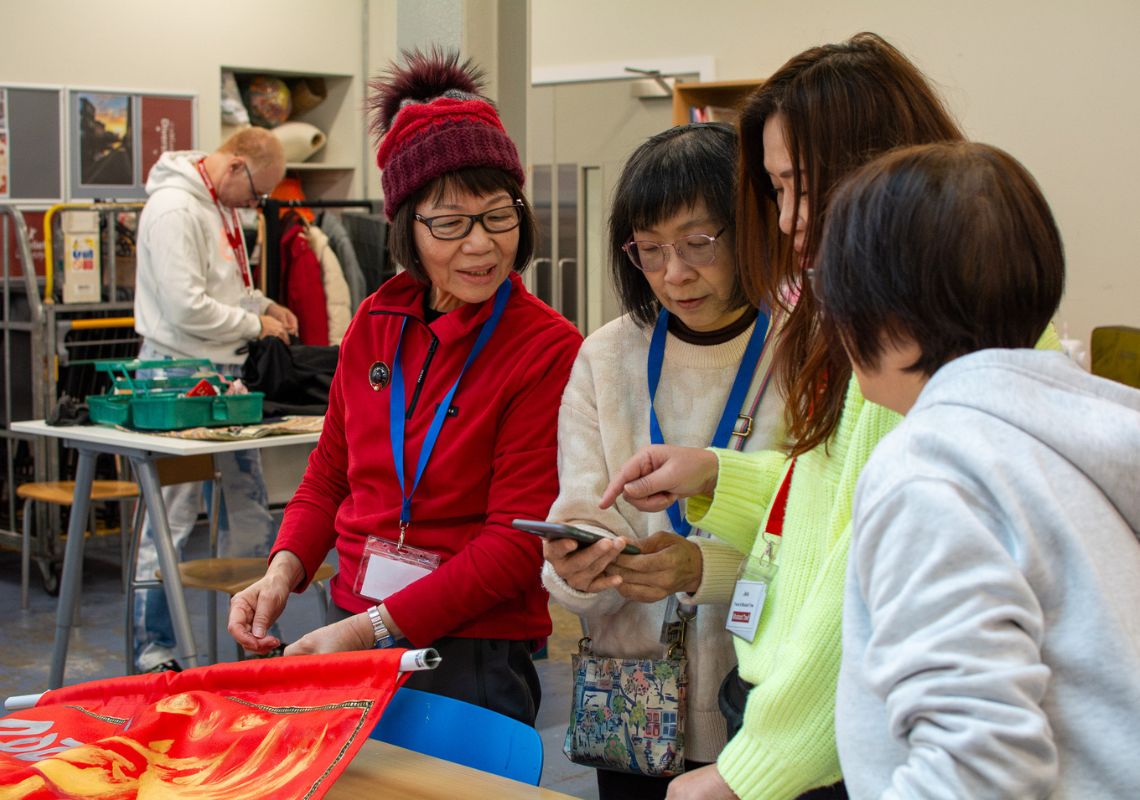
The Ancoats group brought together members of the Hong Kong community with a shared passion for upcycling, repurposing and textile creativity. Building on their existing engagement with Mustard Tree’s art and textile sessions, Rag Revival provided space to deepen skills while embedding climate conversations into creative practice.
Climate Learning
Participants visited The University of Manchester for a guided session led by a PhD textiles researcher. The group explored sustainable fabrics, material innovation, overconsumption and climate-responsive design. A hands-on natural dye workshop further connected cloth, colour and environmental awareness.
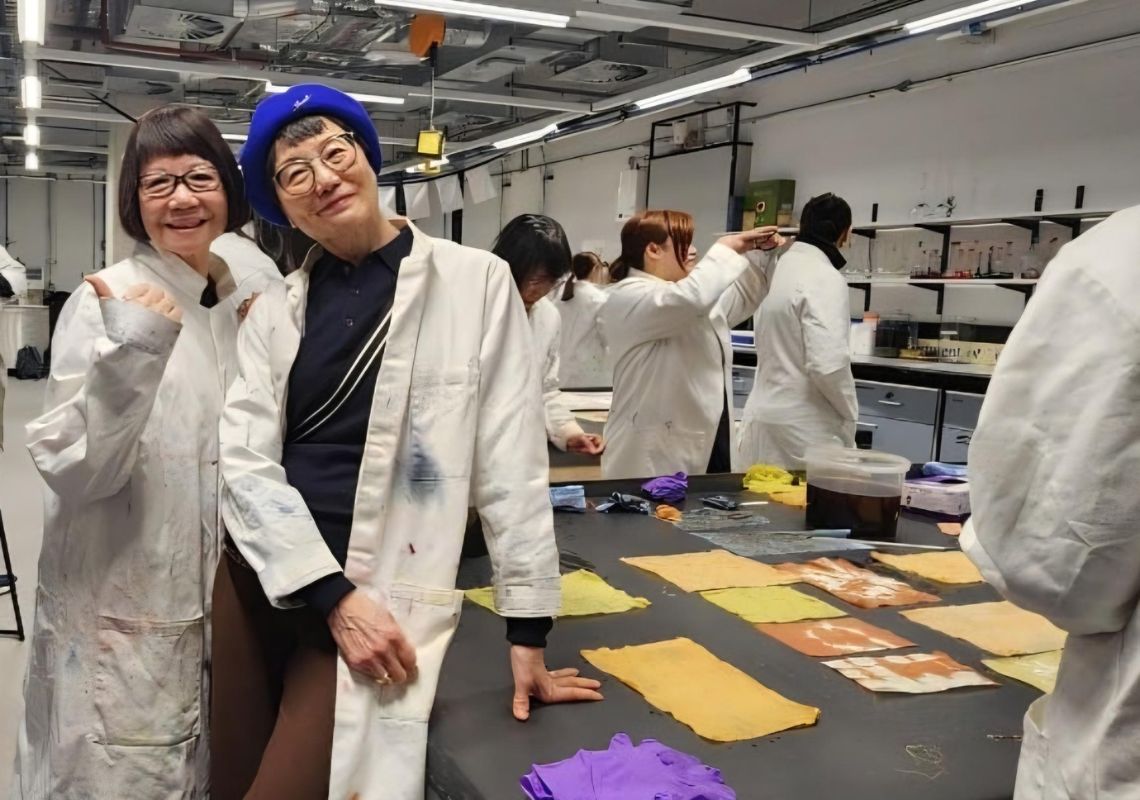
The visit helped bridge academic research and lived experience, opening access to spaces many participants had not previously engaged with.
When asked how they found the visit, the group responded positively:
“Thank you for todays arrangement; it made me realise that creation and skills are timeless”
Community Quilt
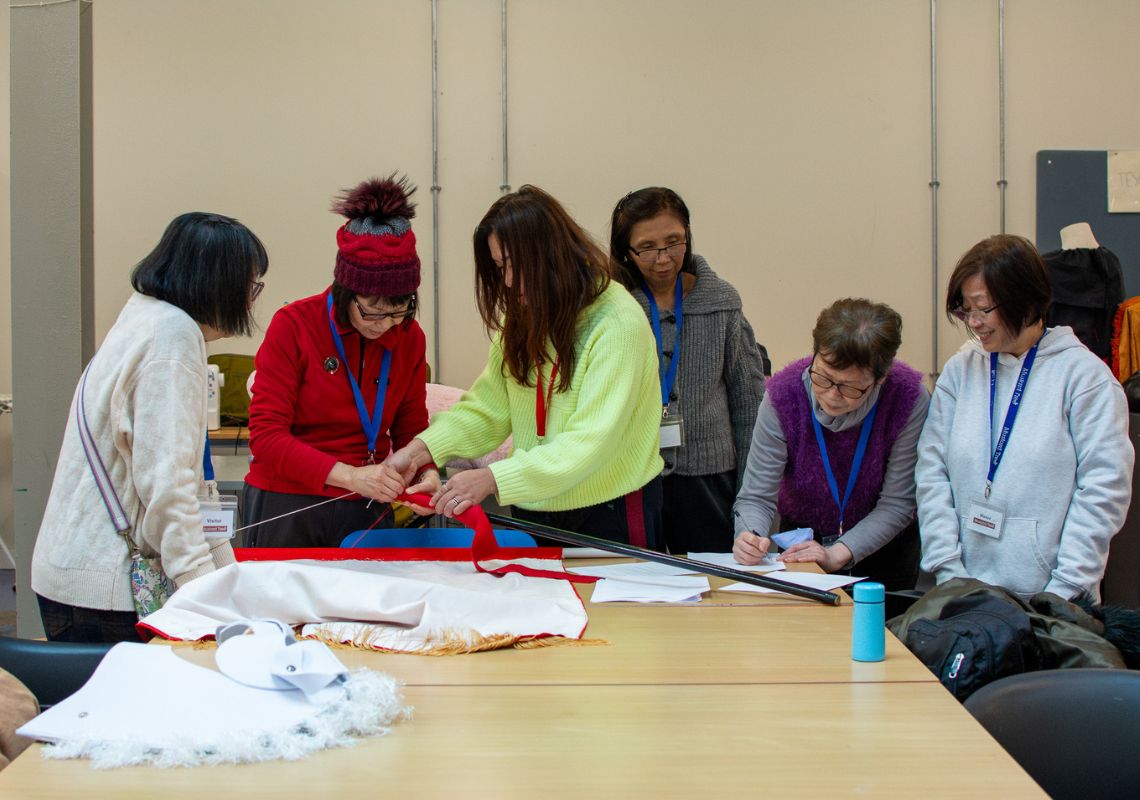
Over 16 sessions, 14 participants created a Lunar New Year quilt celebrating cultural heritage, storytelling and collective making. The project culminated in a live sharing event at Mustard Tree, creating space for cultural exchange and celebration.
Karen’s Story – Manchester
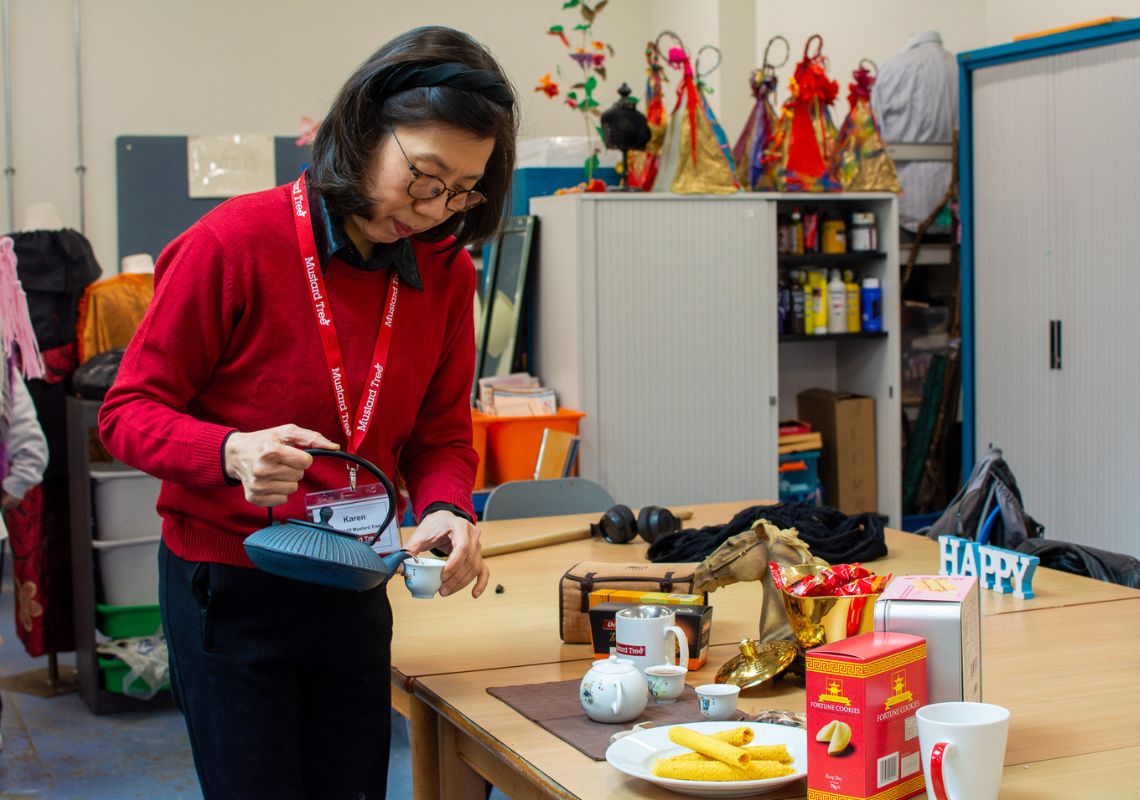
For Karen, the Rag Revival sessions at Mustard Tree offered far more than craft skills. When the project began, she expanded her techniques with hand stitching, basic embroidery and experimenting with materials.
“It’s not just about repairing clothes, it’s about having the mindset that we can give new life to material.”
Through the sessions, Karen also deepened her thinking about sustainability and fast fashion.
“Some new things are good, but we don’t have to throw away old things just because they are one year old or outdated.”
Stepping outside her home routine and spending dedicated hours making with others helped her build confidence and a sense of belonging.
STOCKPORT CENTRAL
The Stockport group focused on place-based storytelling, shared learning and strengthening local connections. Participants were referred through local partners including other Groundwork programmes, and the group reflected a wide age range and varying abilities.
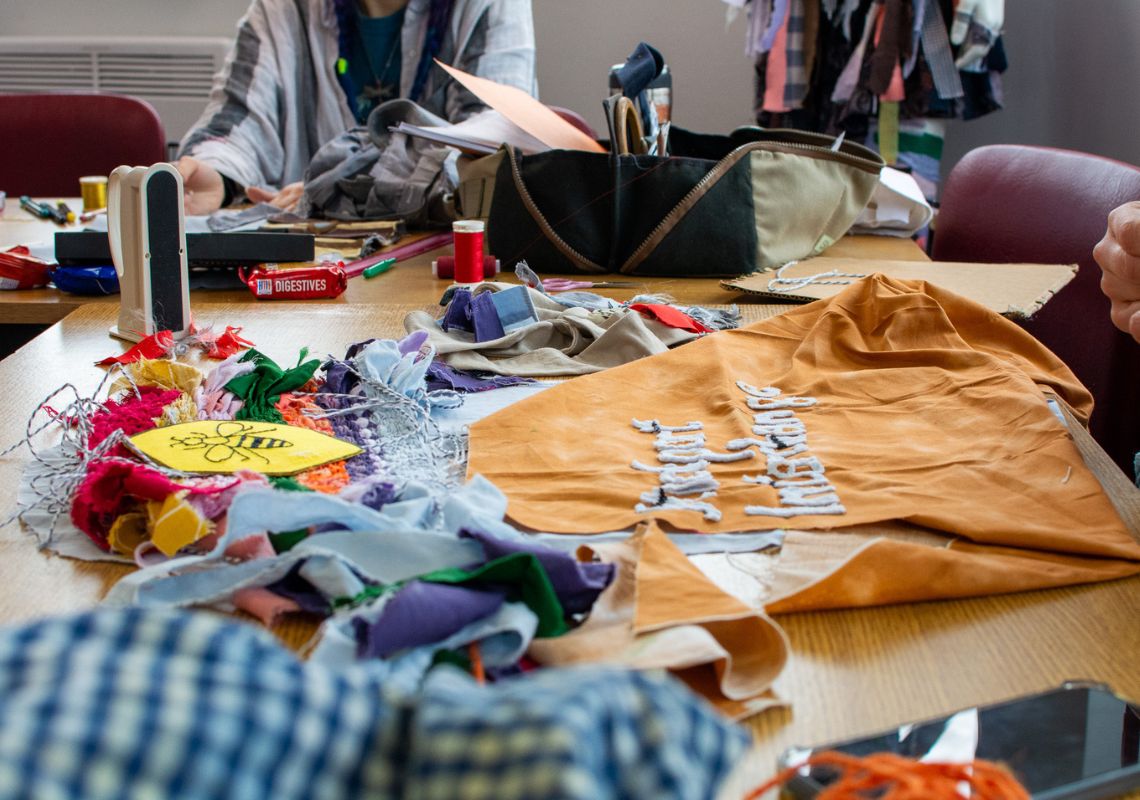
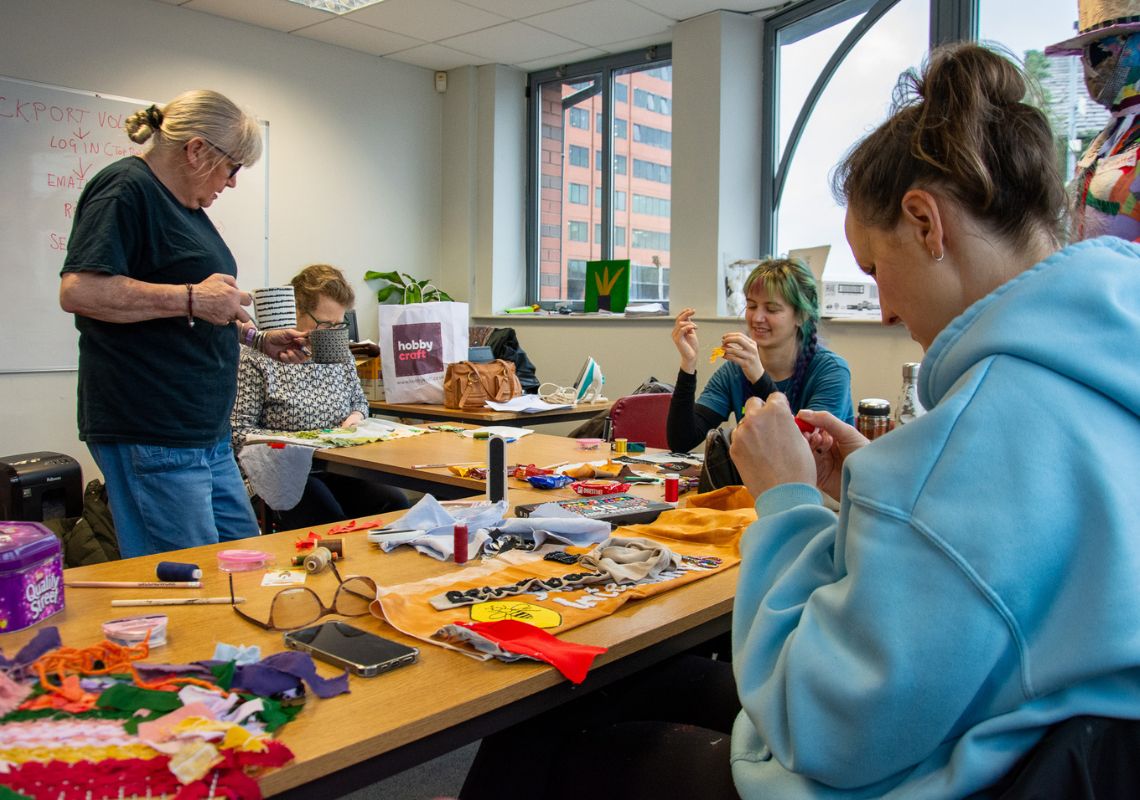
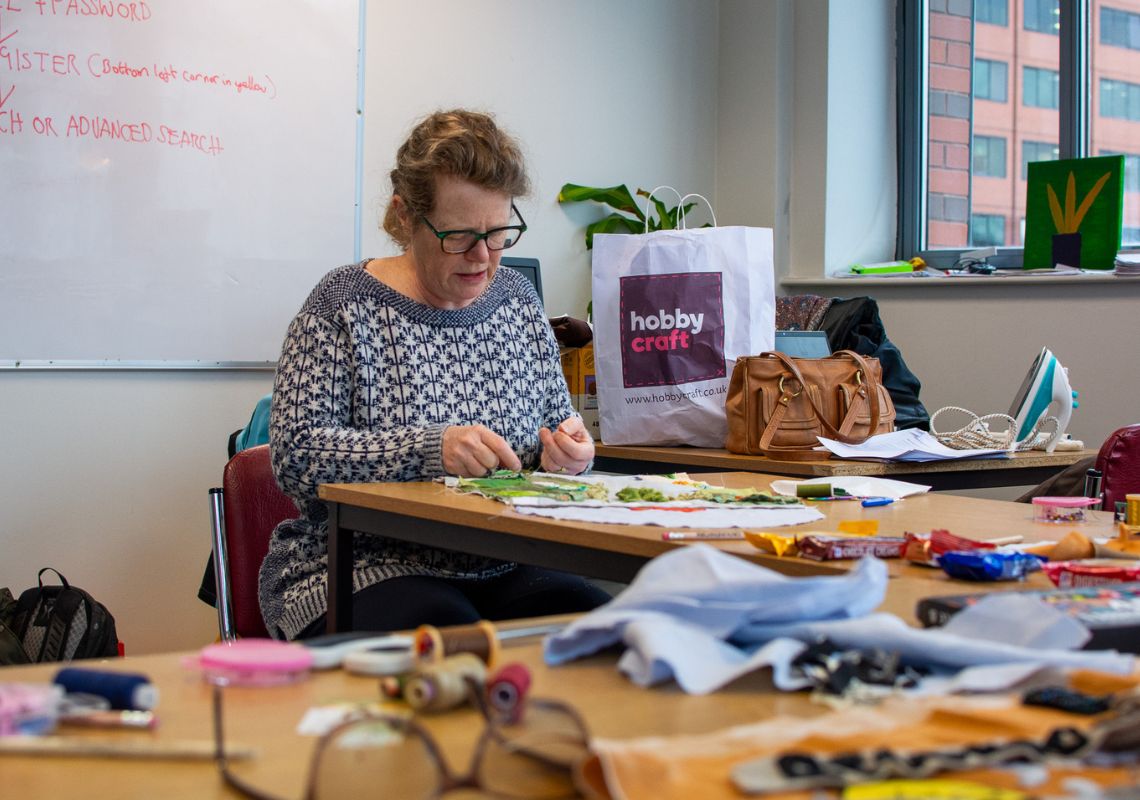
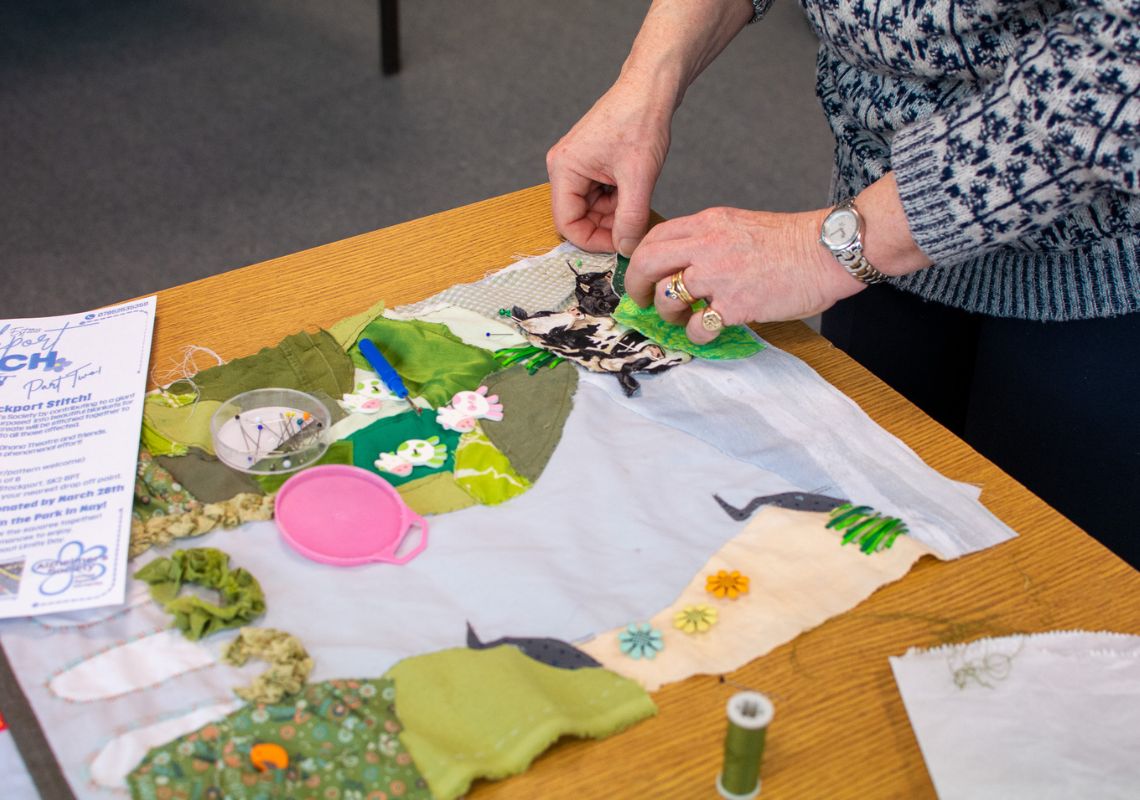
Over 16 sessions, nine participants collaboratively created a Stockport Symbols quilt, exploring local identity, heritage and belonging through textile imagery. Since many of the participants are proud Stockport residents, the storytelling quilt idea strongly resonated with them.
Learning and Skill Development
Sessions encouraged experimentation with embroidery, weaving, needle felting and lino printing. Participants revisited forgotten skills while developing new ones, building confidence through shared making.
Karen’s Story – Stockport
Karen, a retired material scientist and former lecturer at Sheffield Hallam University who lives in Stockport, also supported the Stockport group. Her professional expertise enriched the sessions, helping participants understand textiles from both a creative and material perspective.
Reflecting on the collaborative quilt, she described how the group explored the question: “What’s Stockport?” The final design included waterways, architecture and visions of the future.
“The Mersey has always driven the development of Stockport over time” she noted, highlighting the connection between place, industry and sustainability.
Participant Reflections
Across both groups, participants described significant personal and social impact:
“I was dealing with mental health issues but this helped so much.”
“We’ve all found each other and we’re all safe with each other.”
“It became a really nice place to be, very safe, which is what we all need now and again.”
Participants valued rediscovering old skills and learning new ones:
“I think the first time I’d embroidered in many, many years was with this place.”
“I’ve reacquainted myself with skills that I probably had years and years and years ago.”
For many, the project offered protected personal time:
“It’s a bit of me time, before I started on this programme, I wasn’t doing anything for me.”
“We all volunteer. This is our time. Just our nice, calm time, and it’s lovely. Absolutely lovely.”
Participants also reported lasting behavioural change:
“With my own clothes, I’ve definitely decided to upcycle them, recycle them, repair them, rather than just get rid of them.”
Rag Revival demonstrates how textile waste can become a starting point for deeper conversations about climate, identity and community. Through collective making, participants strengthened skills, confidence and social networks, stitching together stories of heritage, resilience and hope for the future.