BLOG – How we’re redefining Youth Climate Action
For too long, the conversation around climate change has felt like it belongs to someone else. In 2021, when we began trialling youth-led climate projects across Greater Manchester, we noticed a recurring theme. The national narrative, often focused on lifestyle shifts like cycling more or eating less meat, didn’t always resonate with the young people we work with. Their priorities were immediate: personal safety, fuel poverty and local pollution.
We realised that if we wanted to build a movement that included everyone, we had to stop asking young people to join our conversation and start building a model that reflected their lives. Learn more in our latest blog.
Moving beyond “One size fits all”
Our early work taught us that a “one-size-fits-all” approach fails the very people who have the most to gain from climate justice. To bridge this gap, Groundwork developed a tiered model of engagement. This ensures that whether a young person is stepping into a park for the first time or ready to challenge local policy, there is a place for them.
- Outdoor education: focused on wellbeing and nature connection.
- Green & blue leaders: mentored social action in the local environment.
- Climate leaders: building literacy and group-led environmental projects.
- Youth voice: strategic influence on planning and climate panels (adapted from the Lundy Model of youth participation).
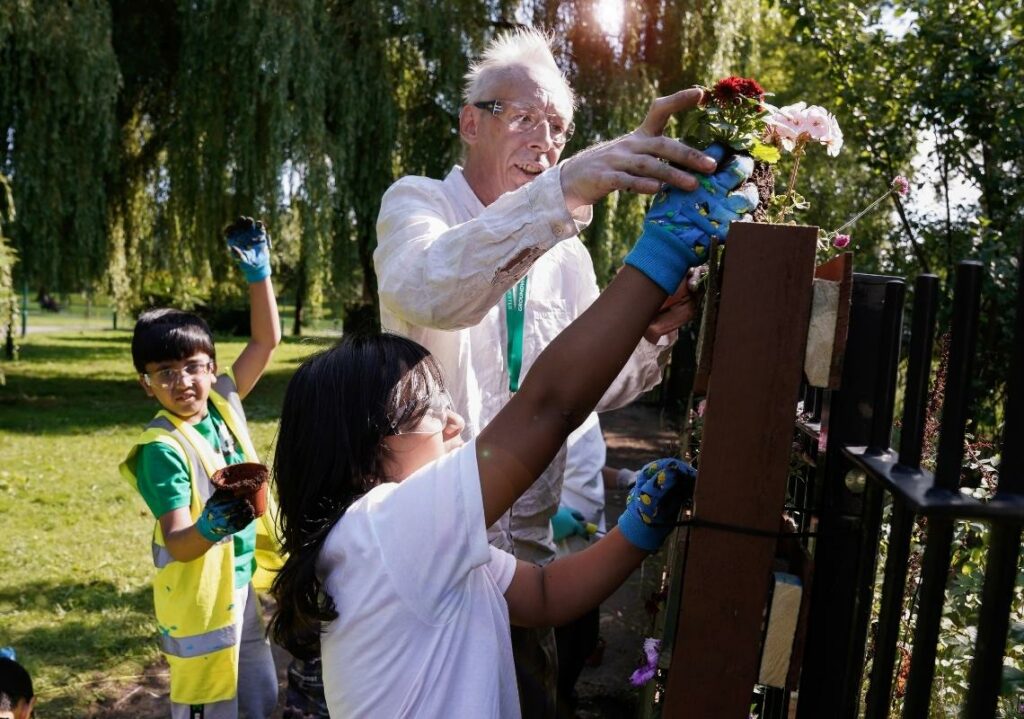
The impact of this model is best seen on the ground. In Crumpsall, North Manchester, we partnered with the Centre for Sustainable Energy to bridge the gap between young people and the “daunting” world of urban planning.
Through a climate action group, recruited from our weekly youth club, a group of young people aged 11-17 didn’t just talk about the environment, they trained in climate change, community consultation processes and the planning system. Delivering a community consultation event in Crumpsall Park. They earned AQA accredited awards and developed a formal Park Development Plan and reported it to the Park Rangers.
The result? They now have a direct seat at the table, meeting regularly with Park Rangers to ensure the park’s future is shaped by the people who use it most.
Scaling the Impact
We aren’t just delivering projects; we’re changing the system. By training local youth workers and delivering projects in partnership, we are embedding our learned experience, creating “local anchors,” we ensure that environmental action continues long after a specific project ends.
- Accredited learning: our AQA Environmental Education Programme provides recognised pathways for future environmental leaders and the first Level 4 Youth Work and the Environment qualification, which we developed in collaboration with the National Youth Agency, is now available nationally as a CPD module for youth workers.
- Toolkit for all: we’ve developed a suite of tested approaches and resources that are now available to the wider youth sector.
Help us deliver more Youth Climate Action
The climate crisis requires everyone’s voice, not just a privileged few. Here is how you can get involved:
- For partners & Local Authorities: let’s co-develop Youth Climate Councils. Help us integrate youth-led forums into your local climate strategies and planning processes.
- For Youth Workers: access our Environmental Education Programme to get your young people accredited. Let’s work together and reach more young people in Greater Manchester, helping build their skills and enhance workforce capacity across the region.
- For Young People: Your voice matters. Whether you want to join a group like the Friends of Trafford Ecology Park or help design your local green space, there is a pathway for you.