Connecting People with Nature in The Medlock Valley
Background
Groundwork Greater Manchester worked with The Conservation Volunteers, City of Trees, Mersey Rivers Trust, Canal and Rivers Trust and alongside Manchester, Oldham and Tameside councils to deliver the Medlock Valley Restoration Project.
Funded by the UK Government’s Species Survival Fund, the aim of the project was to halt the decline of important species like Bats, Water Voles, Willow Tits, Great Crested Newts and Waxcap fungi by improving vital habitats along the River Medlock. We worked alongside local communities in Manchester, Oldham and Tameside, giving them the opportunity to be involved in practical conservation work and learn all about the species we’re working to protect.
Our Approach
Groundwork and our partners hosted a variety of activities and events to engage with the local community. We wanted to connect people, schools and businesses with the nature on their doorsteps through practical volunteering, family-friendly events and wellbeing activities.
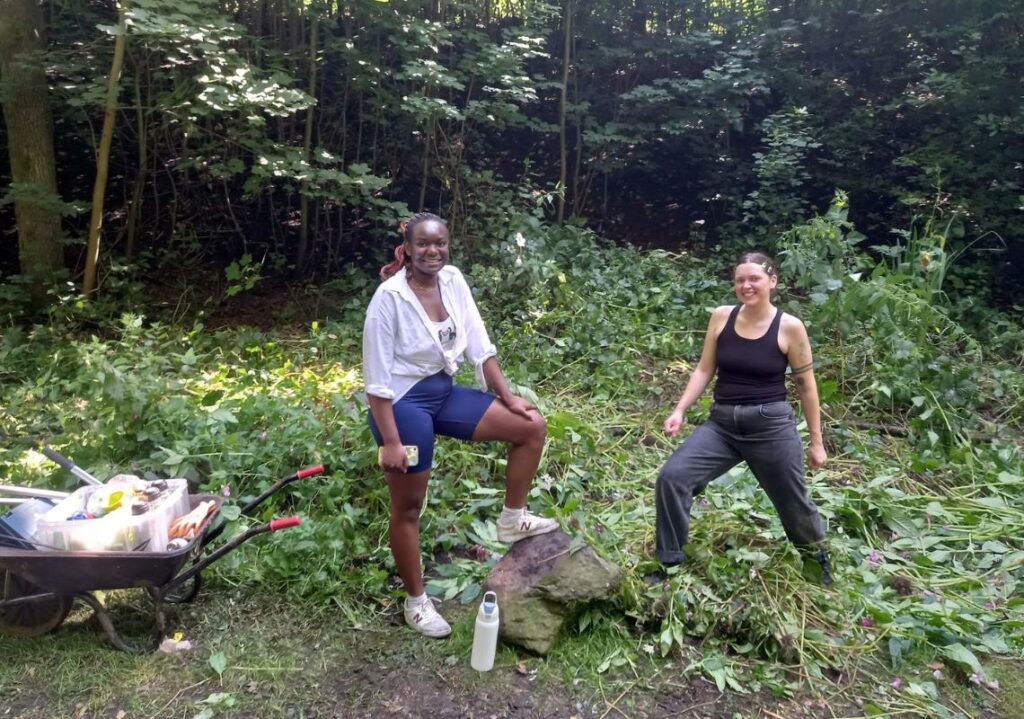
Wellbeing sessions at Clayton Vale Green Community Hub
TCV ran weekly sessions at Clayton Vale Green Community Hub. Alternating between practical volunteer work and wellbeing activities, the sessions gave local people the opportunity to connect with and learn about the wildlife at Clayton Vale, and get involved with helping us to preserve it.
The sessions aimed to boost peoples mental wellbeing by creating a safe and relaxed environment for people to connect with nature, learn green skills and meet new people.
Summer events
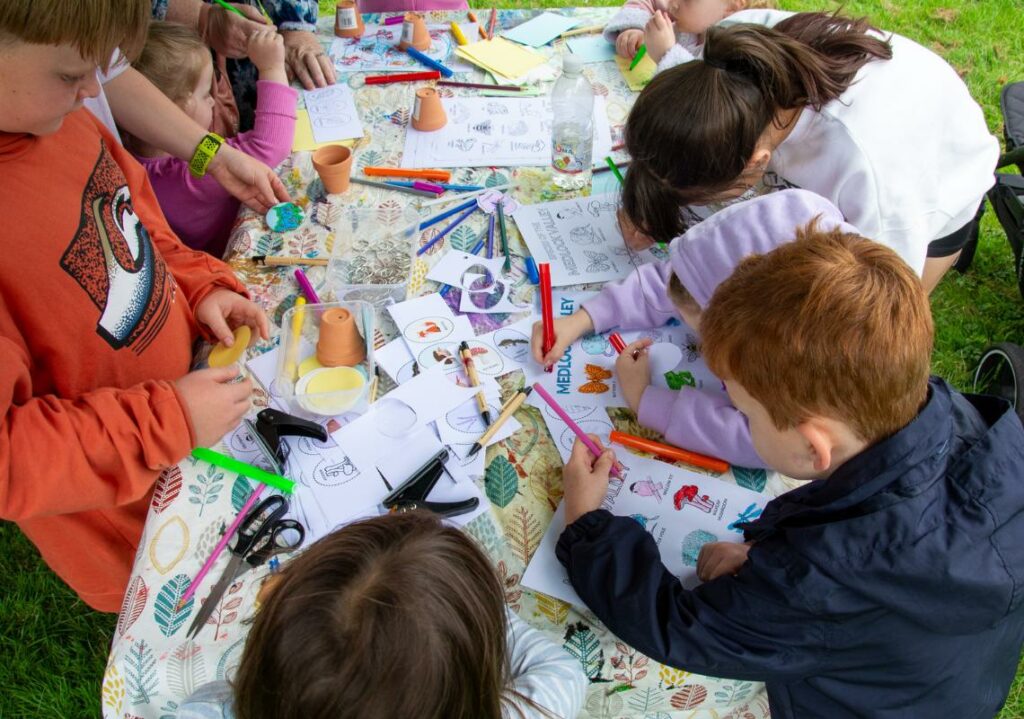
Over the Summer holidays, partners held events across our sites to engage with local children and families about wildlife in the Medlock Valley. Groundwork were joined by City of Trees for a family fun day at Sunnybank Vale, and TCV held a nature fun day at Clayton Vale.
We had lots of nature-themed activities on offer across these events, from badge making, sports and wildlife colouring sheets, to pond dipping and identifying invertebrate species!
Bat Walks
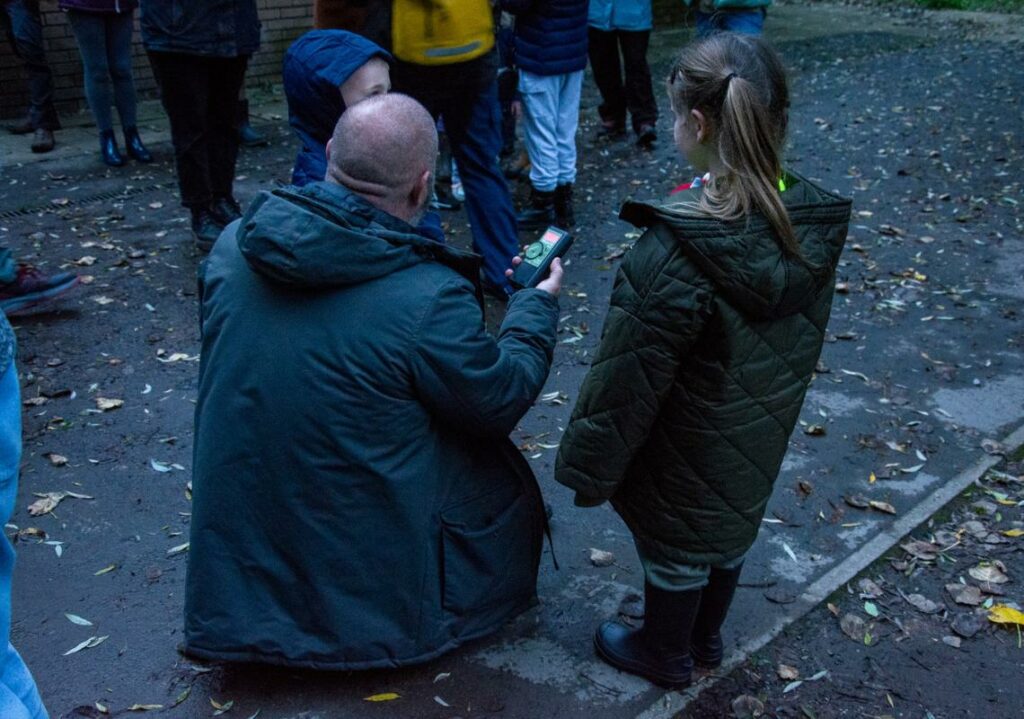
Groundwork and TCV invited people to join guided Bat walks in Clayton Vale, Sunnybank Vale and Lees Brook Nature Reserve to catch a glimpse of these fascinating creatures before they go into hibernation. The team shared their knowledge of Bats and tips for spotting them, and we provided everyone with special monitoring devices to listen to the Bats calls!
It was a nice evening doing something a bit different. The kids loved searching around to find the bats.
Spring Festival
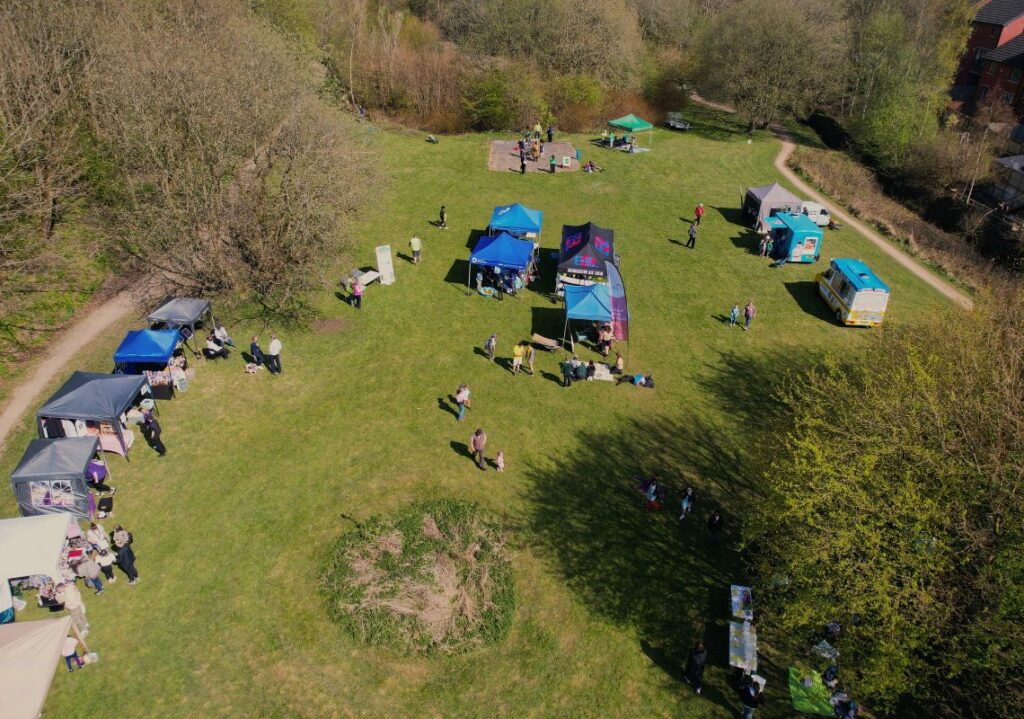
Groundwork and partners organised a Spring Festival at Lees Brook Nature Park.
Alongside learning about local nature and taking part in nature themed activities, attendees also enjoyed browsing local seller stalls, voting in an art competition and watching a chainsaw artist create wooden sculptures.
The festival was a huge success, with 280 people attending!
Autumn Festival
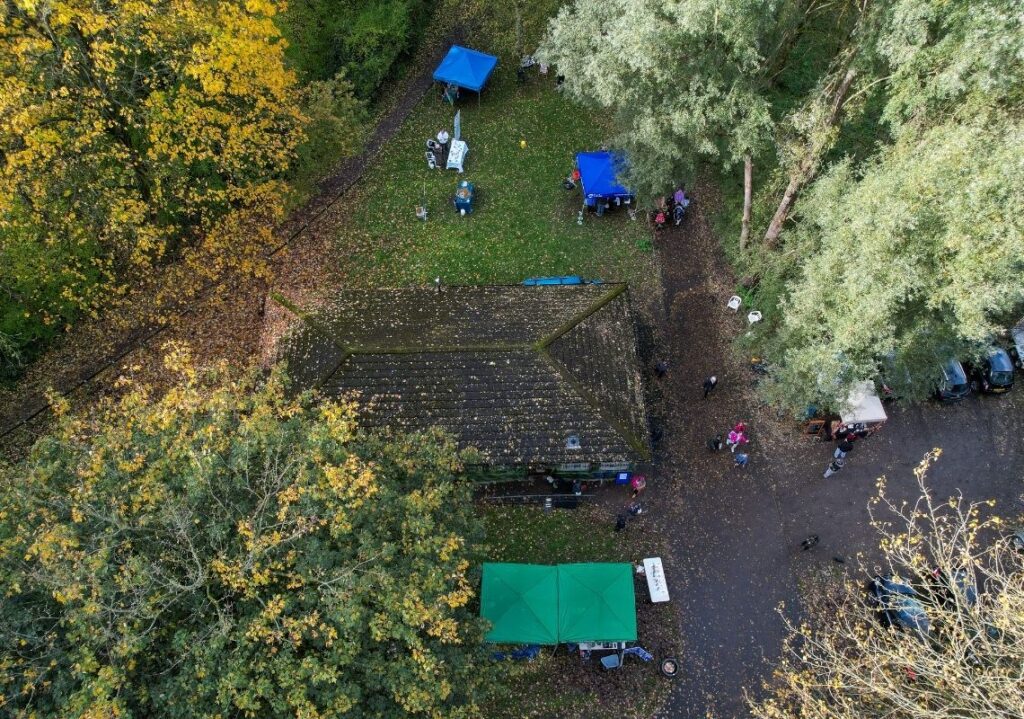
After the success of the Spring Festival, Groundwork and partners hosted an Autumn Festival at Clayton Vale Park. Attendees were given a free plant based African Stew, listened to folk music played by a local band and took part in a variety of nature based activities, from scavengers hunts to crafts.
Attendees also took part in activities like mushroom buckets, allowing them to grow their own mushrooms at home, and pond dipping for a chance to spot some local nature. The event had a great turnout and lots of positive feedback, with over 150 local people attending.
Working with local schools
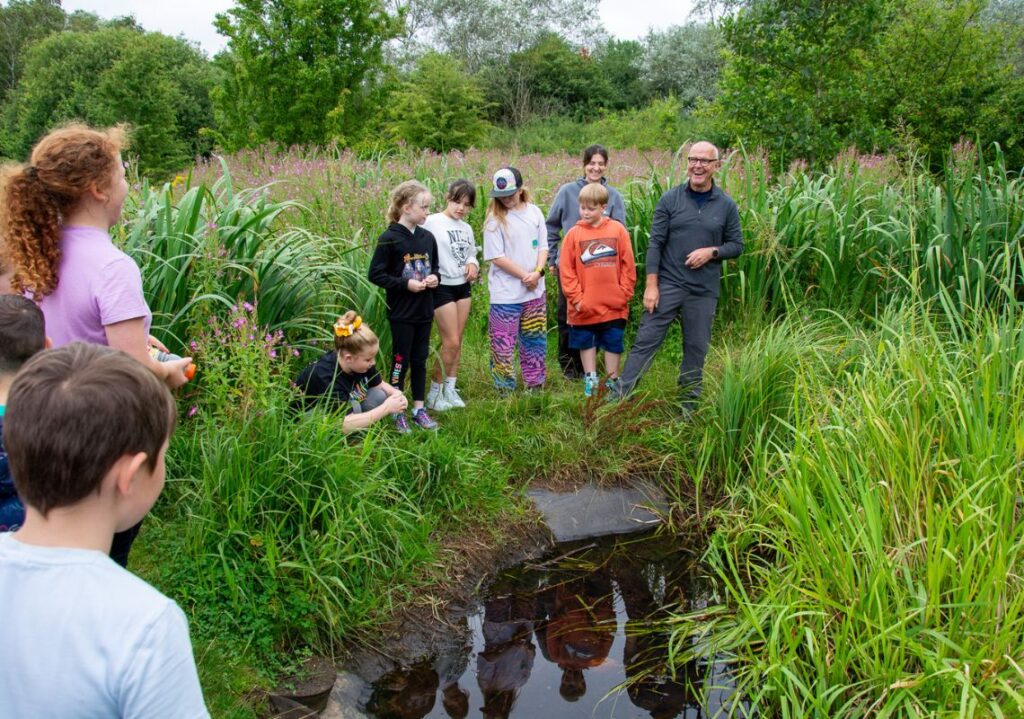
A key focus was working with local schools, whose pupils often live within walking distance of the valley, to instill a deeper appreciation of nature and environmental stewardship.
Supporting Friends Groups
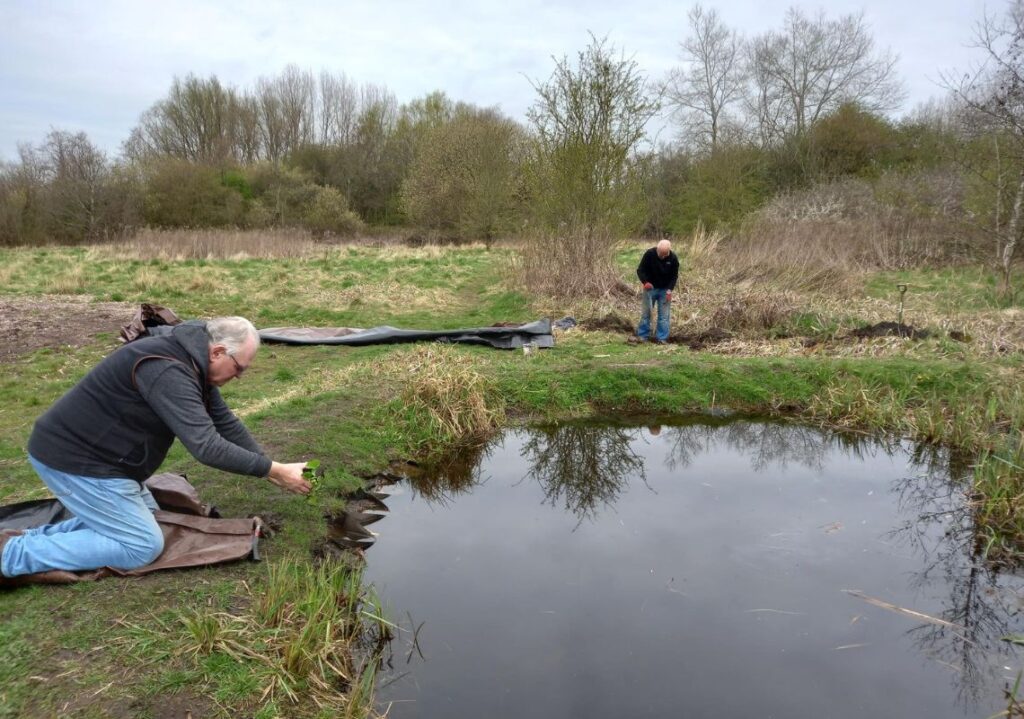
Groundwork helped four community-based Friends Groups to make a difference in their local green spaces across the Medlock Valley, through volunteer mobilisation, river cleans ups and habitat creation.
Connecting with nature through art
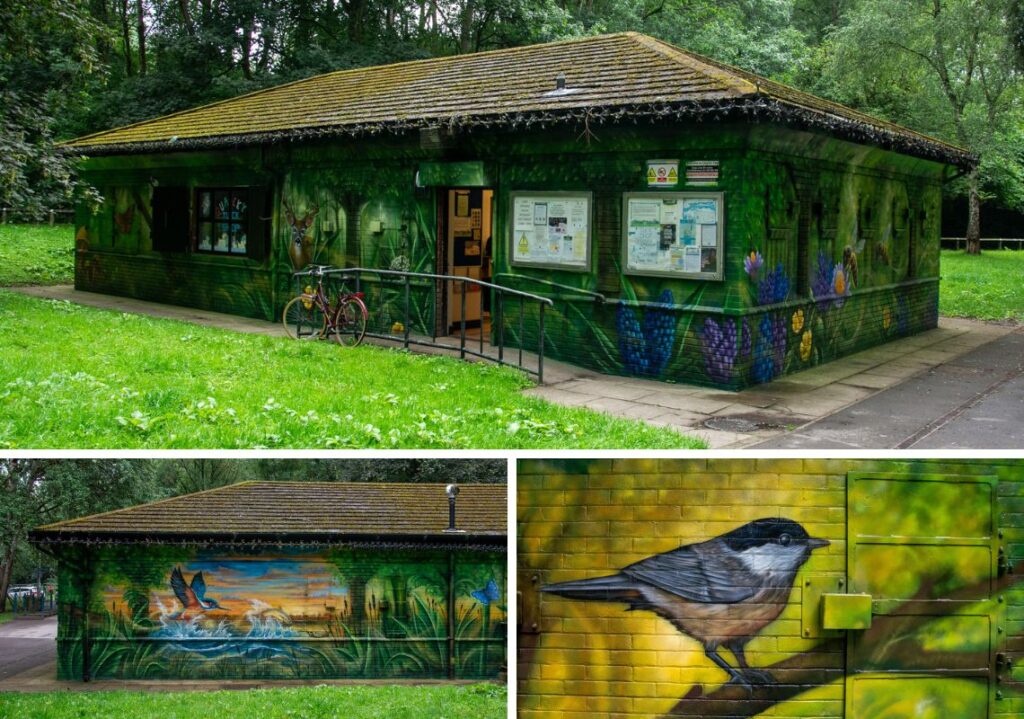
We worked with local artist Sam Porter, aka Mural Minded, to give the Clayton Vale community centre an eye catching new look. This mural incorporates local species into the design, educating those who visit the area and inspiring them to appreciate the nature on their doorstep.
Supporting the Oasis Community Hub
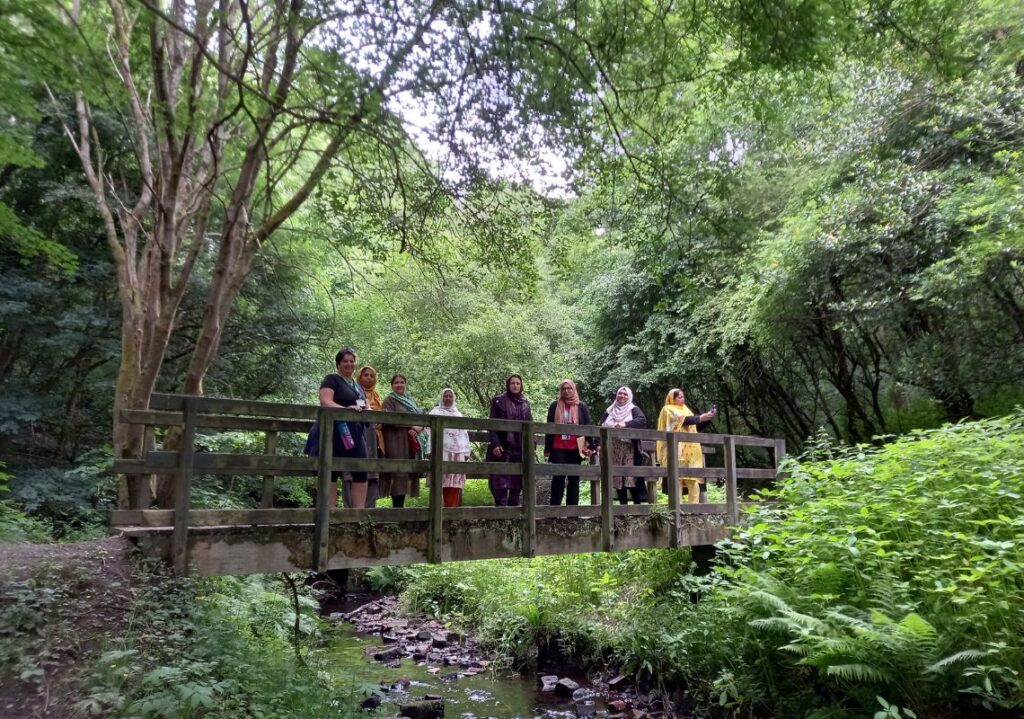
We supported local residents at the Oasis Hub in Oldham, many of whom had limited access to nature, to build confidence and connection with outdoor spaces. Through the creation of a community garden, guided walks to nearby green spaces, and hands-on conservation and planting activities, participants experienced improved wellbeing, stronger social connections, and greater awareness of local nature.
Walking the Medlock Way
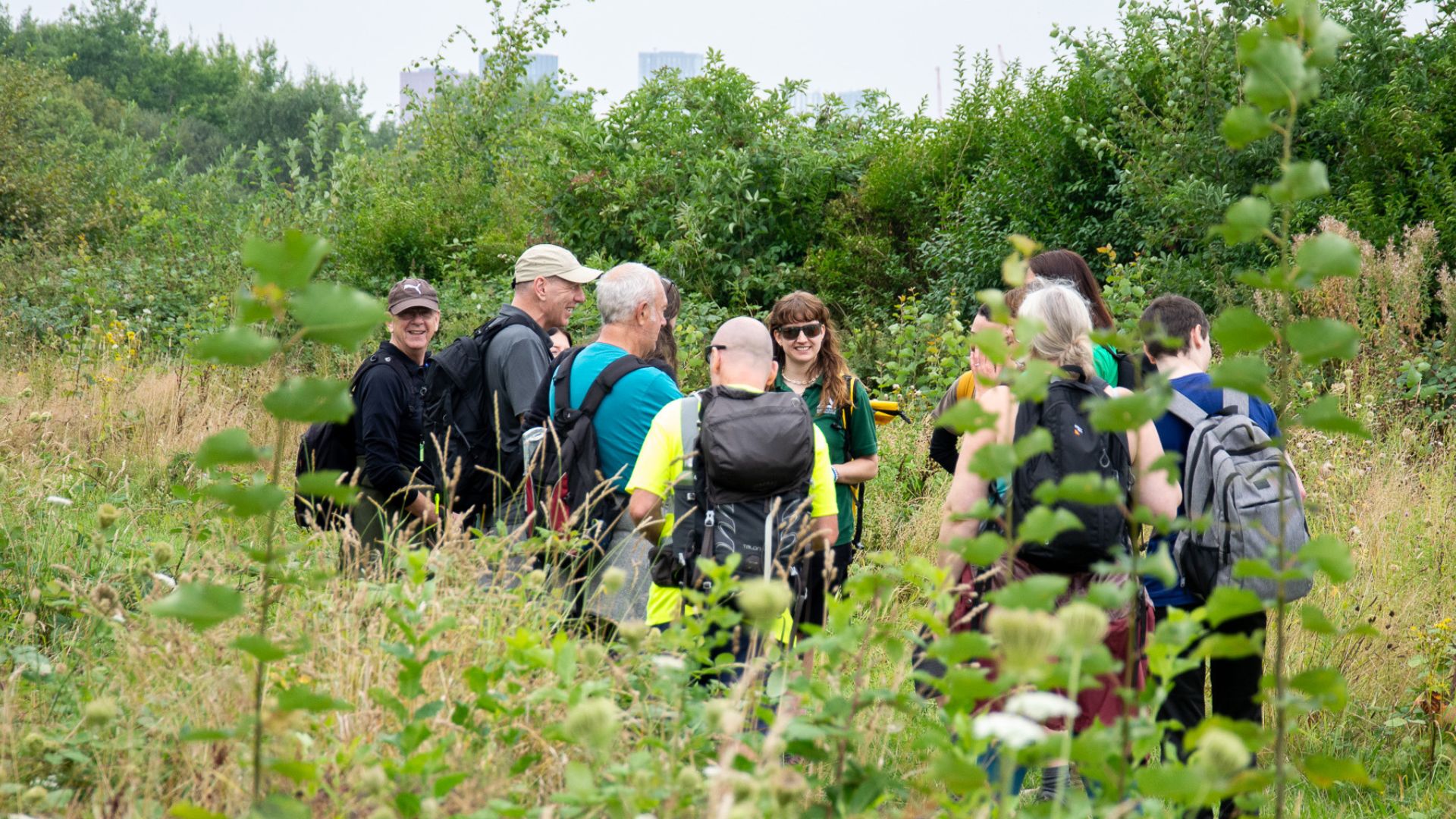
Groundwork held an exciting 2-day event where we invited people from all over Manchester to walk The Medlock Way – an 11 mile stretch of the river running from Oldham to Manchester.
Starting in Lees Brook Nature Reserve in Oldham, we walked and litter-picked our way along the River Medlock, taking in the sights, sounds and wildlife of the Medlock Valley before ending in Pin Mill Brow in Manchester. Each day ended with free food, drinks and nature-themed craft activities!
We were joined by people and community groups who have been looking after the Medlock for years, and a few people who are looking to learn more and get involved with helping to restore habitats in the Medlock Valley.
Research into a nature-rich Active Travel route
Funded by Natural England, Groundwork conducted a feasibility study to assess opportunities for improving access to green spaces along active travel routes in the Medlock Valley.
The study evaluated the technical, environmental, and socio-economic viability of improvements suggested by The Medlock Valley Nature Partnership and looked at accessibility, biodiversity preservation, and sustainable design.
Research into eight sections of the valley identified key themes for future project focuses; such as flood management, access repairs, signage, and route development.
What else did we do?
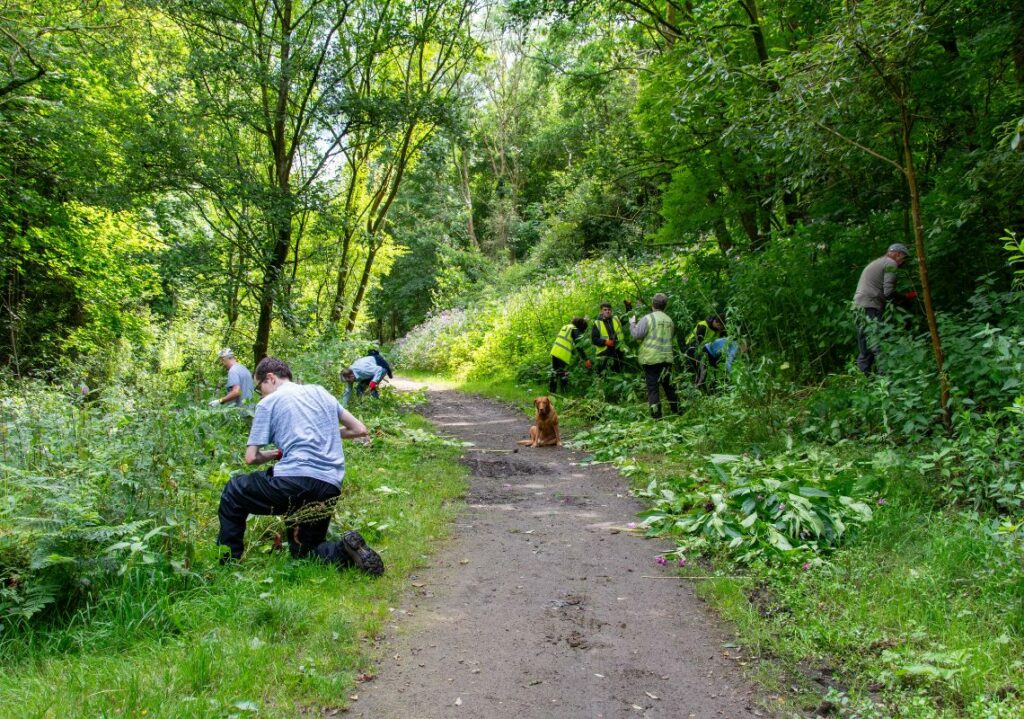
Project partners also delivered a programme of green skills training alongside habitat improvement works to equip people with the necessary knowledge and skills to facilitate climate action and upskill the workforce.
This project has been made possible thanks to funding from the UK Government’s Species Survival Fund.