
BLOG – Youth Unemployment: Stories from the Front Line
Youth unemployment has made headlines this month, with all the major political parties discussing the issue at their annual conferences as the challenge becomes too big to ignore.
As a charity that has supported young people into employment for over 30 years, we’ve created this blog to share our observations, experiences, and recommendations.
“When workplaces become more understanding and adaptable, everyone benefits”
Liane Kirk, Strategic Lead for Employment & Wellbeing
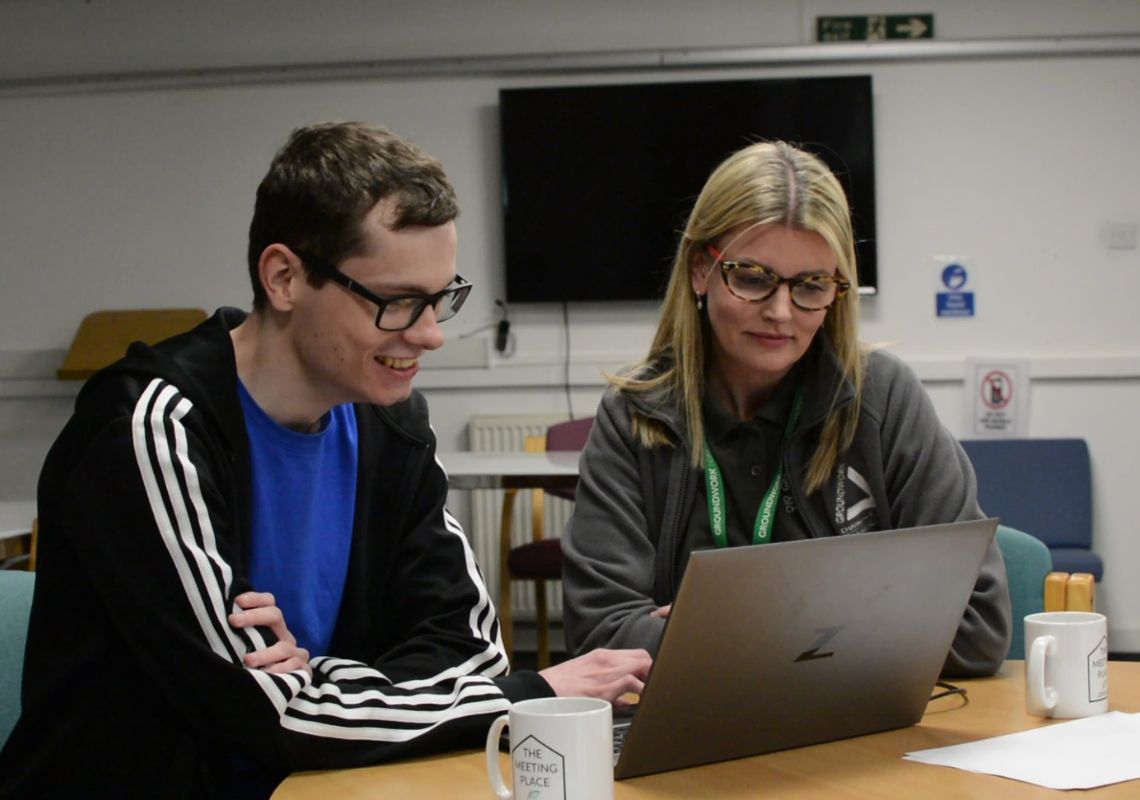
Mental health challenges aren’t new, whether born in the 80s, 90s or 00s, young people have always faced struggles that affect their wellbeing. What’s changed is how widespread and visible these issues have become. In a more digitally isolated world, and with the lasting effects of the pandemic disrupting education, friendships and support networks, many young people are still feeling the impact today.
And the strain isn’t limited to individuals, the systems designed to support them are also under pressure, with stretched waiting lists and limited access to timely help. For many young people, this means navigating their mental health alone while trying to take their first steps into the world of work.
Mental health can be a significant barrier to both starting and staying in employment. Young people experiencing anxiety or depression may find it harder to reach out for support, try new things or cope with change. Without stable networks around them, this can easily spiral into isolation and inactivity.
At Groundwork, we’ve recognised these challenges for years and place people at the heart of everything we do. We take a flexible, person-centred approach, understanding that what might be simple for one person can feel overwhelming for another. Our employment and wellbeing coaches take the time to build trust, walk alongside young people on their journey and connect them with our trusted network of supportive partners.
But for young people to truly thrive at work, this approach needs to extend beyond support programmes and into workplaces themselves. Employers play a vital role in creating environments where young people feel safe, understood and valued. By applying the principles of trauma-informed practice (which include fostering trust, showing empathy and developing community) businesses can make simple yet powerful changes that support mental wellbeing.
When workplaces become more understanding and adaptable, everyone benefits. Young people are better equipped to stay and succeed in employment, and employers see reduced turnover, greater loyalty and stronger teams.
Not every young person wants, needs, or is ready for college, university or employment at 16. Many young people leave school without formal qualifications, limited practical skills and low confidence. For some, even leaving the house, using public transport, or meeting new people can feel overwhelming.
That’s why Groundwork are delivering the TEAM programme, 26 years after we first started. The TEAM programme places emphasis on basic skills, such as building confidence and resilience.
In the early 2000’s, about a third of the young people on the TEAM programme had additional needs, however this has now grown to two thirds of participants. However, the available funding for the programme has seen limited changes over the years.
And the funding challenge doesn’t stop there, it remains a challenge overall, despite our 90% achievement rate. In 2025 we were forced to close our Oldham TEAM programme as we were unable to offer the programme to 16-18 years old’s, despite numbers of 16–18-year-old NEET numbers growing in the borough and limited options for them.
All this suggests that we need more flexible, creative alternatives to traditional study routes for 14+. Models that start with where young people are now and support them to build confidence, find their purpose and start moving towards adulthood with aspirations and independence.
If we get this right early on, we can avoid the term NEET altogether, but this can only happen when we invest time, patience and personalized support, recognizing the value in investing in young people earlier in their lives, nurturing a desire to learn and progress whatever their challenges.
“We need more flexible, creative alternatives to traditional study routes”
Jill Eckersley, Strategic Lead for Skills & Justice
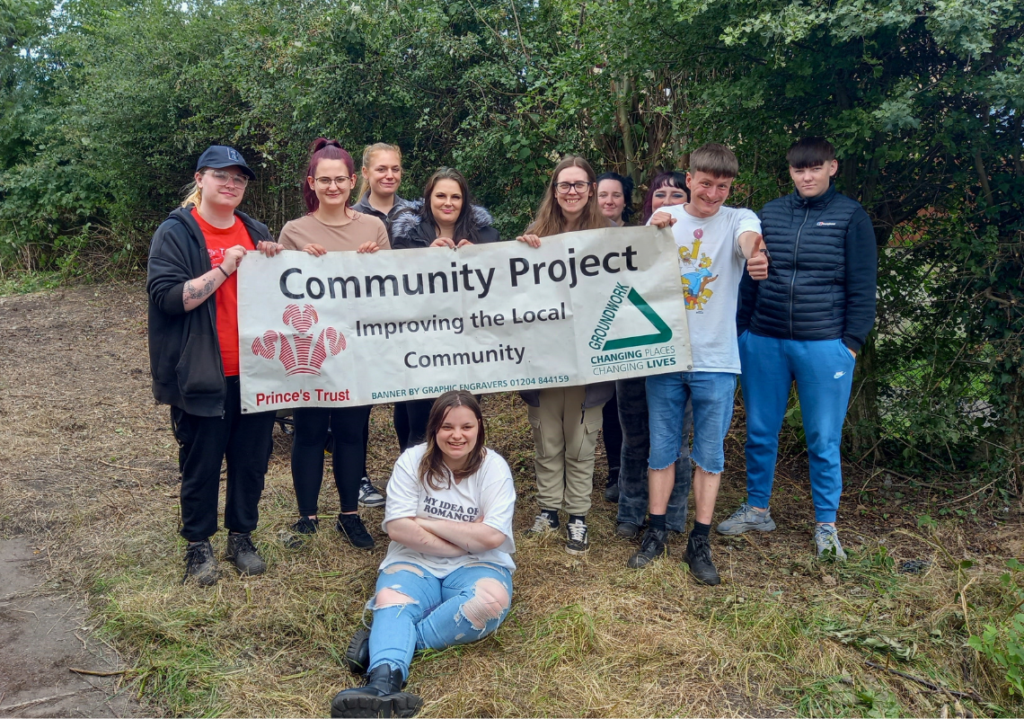
“To tackle youth unemployment with care experienced people, we need more trauma-informed workplaces”
Deborah Priestley, Senior Care Leaver Lead
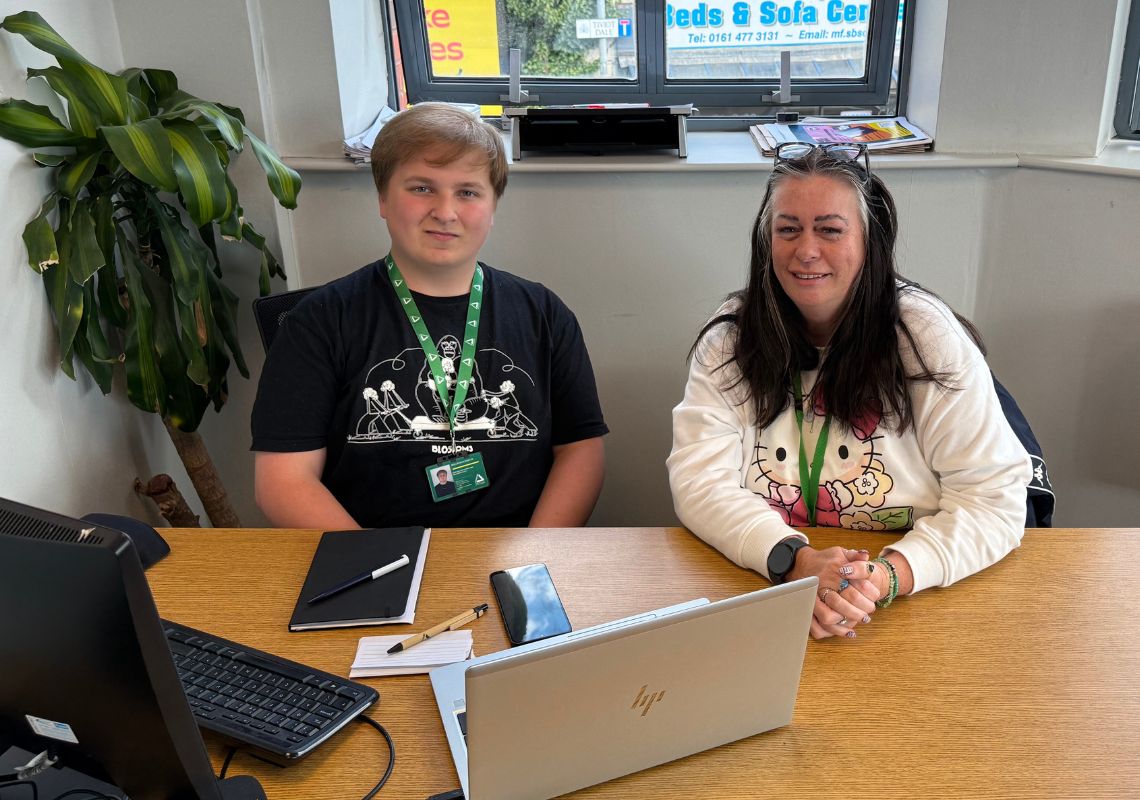
Many young people leaving care enter adulthood without the same networks, guidance, or positive role models that others might take for granted. As a result, many care leavers have limited career aspirations, often believing that only low-paid or entry-level jobs are within their reach, rather than professional roles or opportunities that require further training or education.
I work hard to change that narrative. Helping care leavers recognise their strengths, build up their confidence and see that their past does not define their future. I encourage them to aim high and show that anything is possible at any time, explaining that I retrained and started university at 40.
While my support and encouragement makes a difference on a personal level, the people I work with still face deeply ingrained stereotypes. Too often, they’re unfairly labelled as “troublesome” or “unreliable,” and these misconceptions often follow them into the workplace. Many employers are unsure how to support someone with experience of care with most overlooking them altogether.
To tackle youth unemployment with care experienced people, we need more trauma-informed workplaces. Environments where employers understand the challenges care leavers may have faced and how these experiences can shape their behaviour or confidence. With empathy and the right support in place, care leavers can not only meet expectations but thrive and contribute in meaningful ways.
Coupled with our in-work support, care leavers would be better placed to develop long-term, fulfilling careers.
We pride ourselves on delivering a wide variety of employment programmes that cater to different needs, always taking a people-centred approach. This enables young people to build meaningful connections with others and secure fulfilling employment.
If you’d like to speak with us about our youth employment programmes, please use the contact form below.
Groundwork GM – Work with us
Please complete this form is you’re an organisation looking to work, or partner, with Groundwork Greater Manchester: