
BLOG – Youth Unemployment: What Young People Really Need
Groundwork has delivered employment and skills programmes across the UK since the 1980s and continues to support thousands of young people each year. That’s why rising youth unemployment figures are of particular concern to us.
In late 2025, we engaged with young people we support across the country through 121 discussions, group conversations, and facilitated workshops. This blog summarises what they told us about the barriers they face in accessing employment and the support they need to succeed.
Crucially, their insights reinforce what we have long believed: youth voice must be central to the design and delivery of services intended for them. Young people are experts in their own experiences. When their perspectives shape programmes, services are more relevant, responsive, and effective in helping them overcome barriers and move towards sustainable employment.
What is stopping more young people from participating in work, education or training?
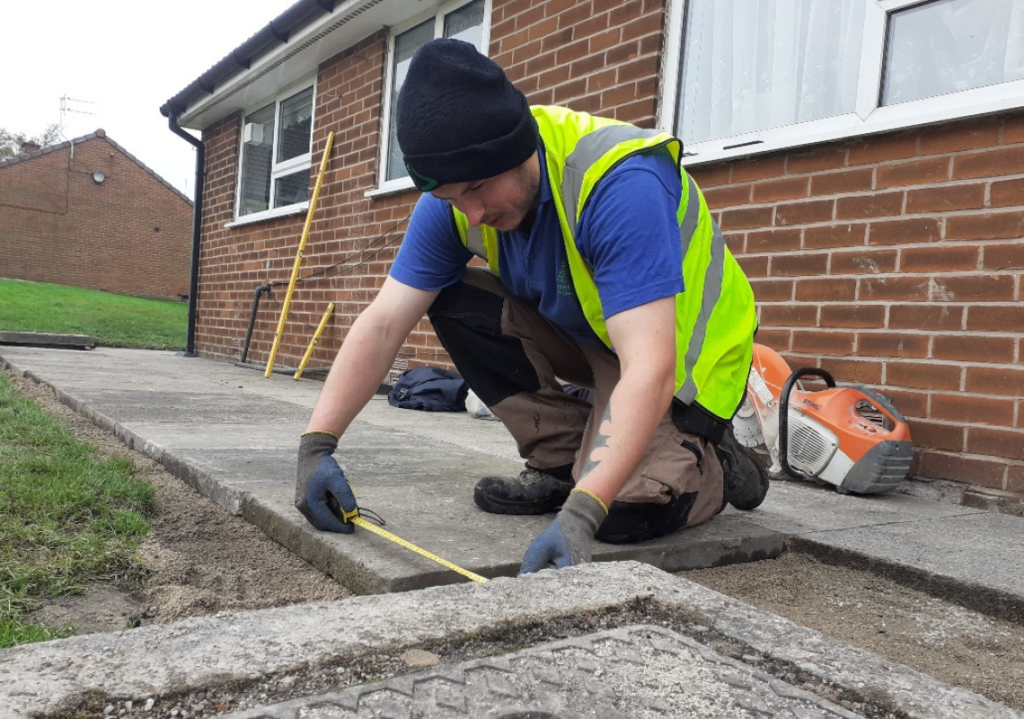
Young people consistently described a combination of structural, practical and emotional barriers, rather than a lack of willingness to work or learn.
A central theme was disillusionment about the future. Many young people described feeling overwhelmed by negative news about the economy, climate change, housing and global instability. This has a direct impact on motivation and hope, with some questioning the value of striving for a future that feels increasingly insecure.
Young people also highlighted a stark mismatch between “entry-level” jobs and entry-level expectations. Roles advertised as suitable for beginners often require experience, qualifications or sector knowledge that young people have had no opportunity to acquire. This creates a catch-22 that discourages applications and reinforces feelings of exclusion.
Practical barriers were repeatedly raised. These included:
- the cost of living, including hidden costs associated with “free” training or work experience (travel, equipment, clothing, internet access);
- limited, unreliable or expensive public transport, particularly in rural and semi-rural areas;
- the concentration of paid opportunities in cities, making them inaccessible to many.
Young people also spoke about information overload and invisibility. Opportunities are often poorly promoted, fragmented across platforms, or hidden behind informal networks. Many found it overwhelming to navigate contradictory advice about networking, applications and career routes, particularly without trusted guidance.
Several young people described feeling undervalued and disrespected in recruitment processes. Long application forms, jargon-heavy requirements and a lack of feedback – including being “ghosted” after applying – contributed to loss of confidence and withdrawal from the system.
Finally, young people highlighted a lack of representation and role models, particularly for those from disadvantaged or minority backgrounds, reinforcing the sense that some sectors and professions are “not for people like me”.
Where support was effective, young people described it as relational, personalised and human.
Support that helped most often involved:
- a consistent individual (such as a youth worker, mentor or coach) who understood their context;
- one-to-one support that addressed confidence, mental health and practical barriers alongside career planning;
- being treated with dignity and encouragement, rather than pressure or judgment;
- having a clear point of contact rather than being passed between services.
Young people contrasted this with support that felt transactional or target-driven, which they found stressful and ineffective. Several described accessing support as “a job in itself”, involving repeated applications, assessments and re-telling their story.
Short-term programmes were frequently criticised for providing initial momentum but then ending abruptly, reinforcing instability rather than enabling sustained progress.
Importantly, young people repeatedly noted that many of those most in need are not visible to the system. A significant number of young people who are not in work or education are not claiming benefits, for reasons including stigma, complexity, or reliance on informal support. As a result, they fall outside eligibility criteria for much of the support on offer.
What support has helped young people move towards work, education or training – and what has not?
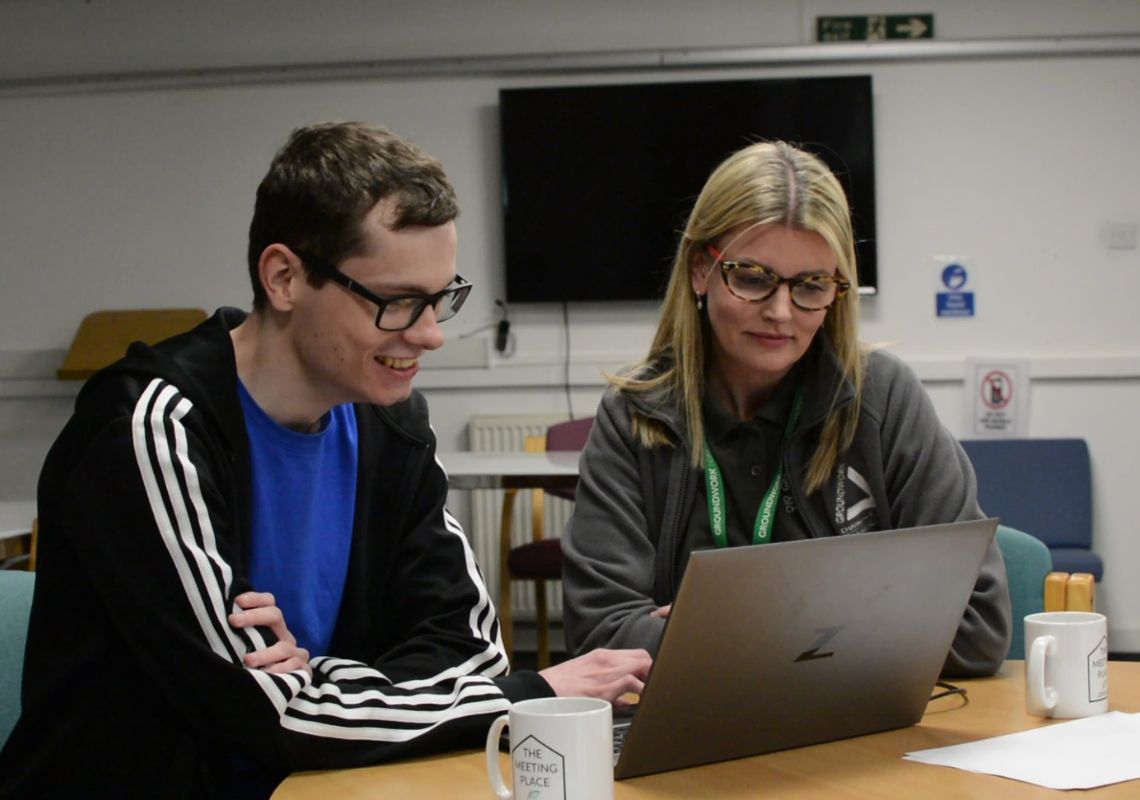
Are there aspects of how jobs, courses or training are designed that discourage participation?
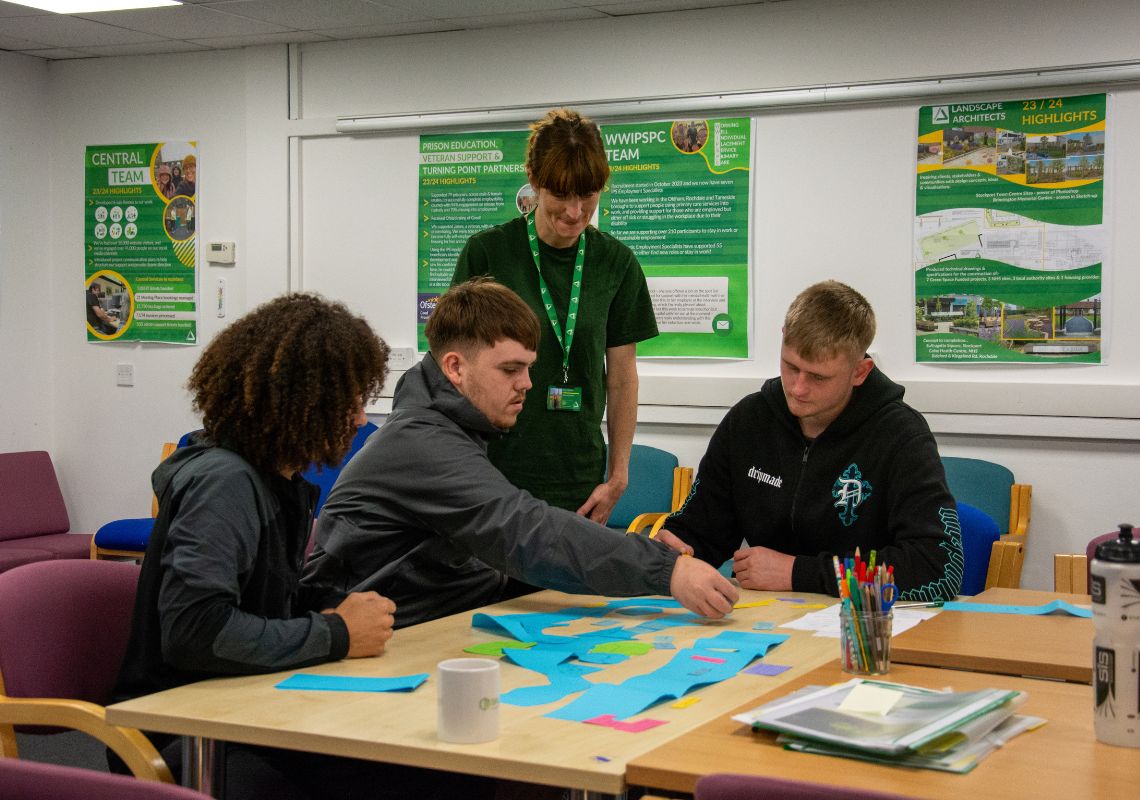
Young people were clear that the design of opportunities themselves often acts as a barrier.
The most commonly cited issue was the inflation of requirements for entry-level roles. Extensive lists of skills, qualifications and experience create a mental barrier and discourage applications before young people even begin.
Unpaid or poorly paid internships and volunteering were seen as structurally exclusionary, benefiting those with financial backing while shutting out young people who need to earn. Even where roles were described as valuable experience, young people pointed out that they were effectively losing money through travel and other costs.
Young people also highlighted:
- a lack of flexibility for those managing health issues or recovery from disrupted education.
- unclear job descriptions and expectations, despite being labelled “junior” or “beginner” roles;
- mentoring or development opportunities that require near full-time commitment without recognising this as work;
Young people were remarkably consistent in identifying practical, achievable changes that would make a difference.
These included:
- paid entry routes (internships, traineeships, apprenticeships and entry-level roles) with genuine training, progression and support;
- clear and honest job adverts, including salary ranges and realistic descriptions of tasks;
- grants or budgets to cover travel, clothing, equipment and devices;
- opportunities distributed more evenly across regions;
- hearing from people with non-linear paths or modest academic attainment who have successfully entered different sectors.
Many young people also raised the issue of pay equity, arguing that young people doing the same work as older colleagues should be paid the same living wage, regardless of age.
Above all, young people emphasised the importance of feeling wanted, valued and believed in.
What would make the biggest positive difference in helping young people take the next step?
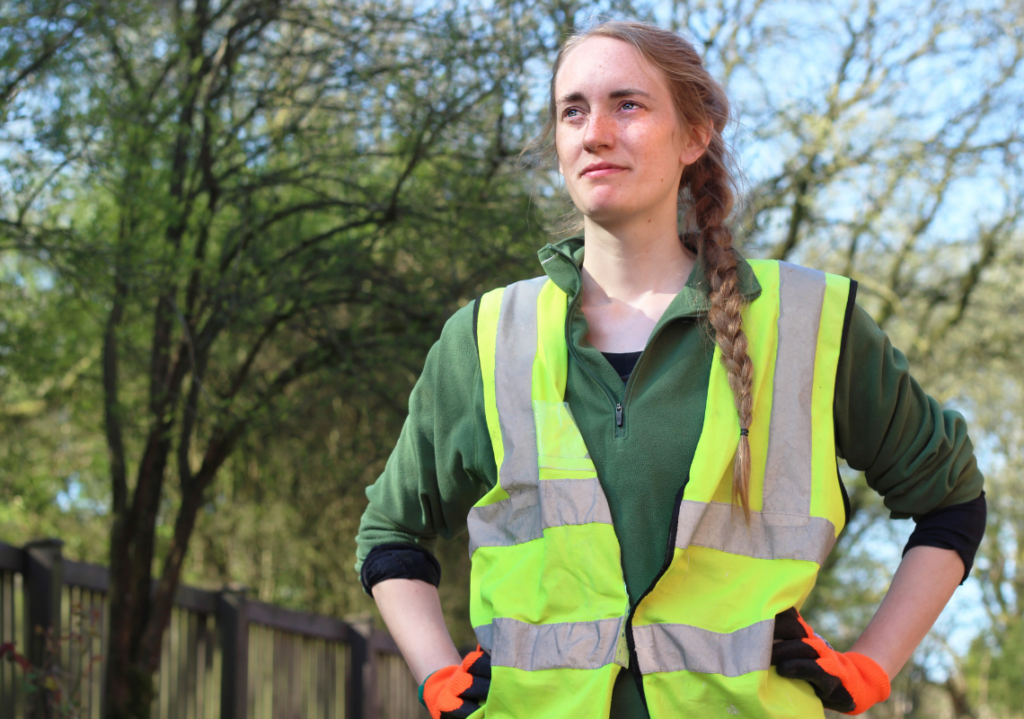
We pride ourselves on delivering a wide variety of employment programmes that cater to different needs, always taking a people-centred approach. This enables young people to build meaningful connections with others and secure fulfilling employment.
If you’d like to speak with us about our youth employment programmes, please use the contact form below.
Groundwork GM – Work with us
Please complete this form is you’re an organisation looking to work, or partner, with Groundwork Greater Manchester: