
Addressing Damp and Mould: A Proactive Approach with Green Doctor
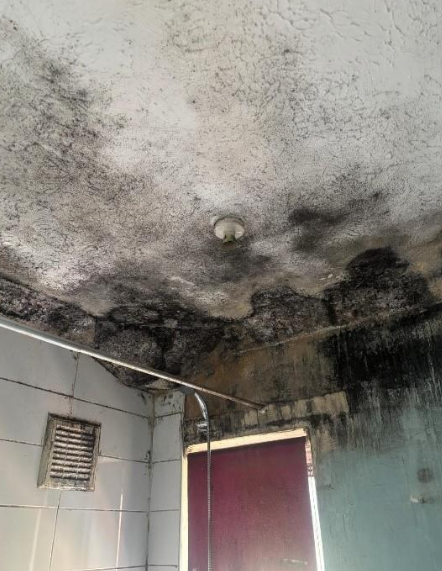

The photos above are from a case referred to our Green Doctor programme in July 2025.* This social housing property contained a young single mother and her four children, including a baby less than a month old. Two of the children have repeated respiratory issues, and one also has reoccurring croup, a condition that is often exacerbated by prolonged exposure to mould.
This case serves as a poignant reminder of the tragedy of Awaab Ishak, a two-year-old child who died in December 2020 as a result of a severe respiratory condition. The coroner’s court ruled that this was caused by prolonged exposure to black mould in his home, a situation his parents had complained about to their social landlord for three years with no action taken. Awaab’s tragic death led to the creation of Awaab’s Law, a crucial piece of legislation that will come into force for the social rented sector on 27 October 2025.
From this date, social landlords will be required to address all emergency hazards, as well as all damp and mould hazards that present a significant risk of harm to tenants, within fixed timeframes.
Partner with Groundwork to Ensure Healthy Homes
Our Green Doctor home visit programme, with its expert energy advisers and specialised damp surveyors, can help you proactively address these issues. We partner with social housing providers, private landlords, and owner-occupiers to help you meet these new regulation requirements and, most importantly, to ensure people are able to live in a healthy home environment.
Contact us today to learn how we can help you prepare for Awaab’s Law and protect your tenants.
Email: GreenDoctorYorkshire@groundwork.org.uk
Understanding Condensation: The Root of the Problem
Condensation is the most common cause of dampness and mould within homes, particularly during winter months. It occurs when moisture in warm air meets a cold surface and turns into water droplets. This happens when the humidity inside a property is too high, often as a result of inadequate heating and poor ventilation.
Mould spores are potent airborne allergens. Prolonged exposure to high concentrations can cause allergic reactions, the worsening of asthma, and other respiratory infections.
What Causes Condensation?
- Inadequate heating within the property.
- Poor ventilation and lack of circulating fresh air.
- High humidity levels.
- Poor insulation and building design.
- Overcrowding within the property.
Practical Solutions: The HIVE Model and Top Tips
The “HIVE model” for dealing with condensation is a simple and effective framework: Heating, Insulation, Ventilation, and Excess moisture. By managing these four key elements, you can significantly reduce condensation and mould growth.
The average family can produce up to 20 litres of water vapour per day from normal daily activities. Here are some of our top tips to reduce condensation issues in any home:
- Ventilate regularly: Open windows and use trickle vents, even in winter, to allow moisture to escape.
- Use extractor fans: Always use fans or open windows when taking a bath, having a shower, or cooking.
- Close doors: Keep doors closed when showering, bathing, or cooking to stop moisture from spreading.
- Turn on your heating: Consistent heating helps dry out damp air and reduces the chance of mould.
- Wipe away condensation: Use a cloth to wipe condensation from windows and frames daily.
- Clean away mould: Use a mould remover or a mixture of 1 part bleach to 4 parts warm water to safely remove mould.
- Take shorter showers: Aim for a 4-minute shower to reduce both condensation and energy bills.
- Use lids on pans: Keeping lids on pans when cooking can drastically reduce the amount of water vapour released into the air.
- Dry clothes in a ventilated room: Dry clothes on an airer in a well-ventilated room with the door closed to contain the moisture.
- Avoid overcrowding: Leave a gap between furniture and walls and avoid overfilling wardrobes to allow air to circulate.
- Use dehumidifiers and damp traps: These are effective tools for removing excess moisture from the air.
- Grow moisture-loving plants: Certain plants like peace lilies, palms, and ferns can help absorb moisture from the air.